TLC Pomskies: The Ultimate Guide to Understanding Pomsky Mixes
Pomskies have become increasingly popular over the years. They are a unique mix between a Pomeranian and a Siberian Husky, which makes them an attractive choice for those who want a small-sized dog with the appearance of a wolf. However, as with any mixed breed, understanding the characteristics and temperament of a pomsky can be challenging. In this guide, we will delve into everything you need to know about these adorable dogs.
History of Pomskies
The origin of pomskies is still relatively unknown. However, it is believed that they first appeared in the early 2000s when breeders started crossing Pomeranians with Siberian Huskies. The primary goal was to create a small-sized dog that looked like a husky but had the personality traits of a Pomeranian.
Since then, pomskies have gained popularity among dog lovers. They are often described as intelligent, energetic, and loyal companions. However, their breeding process is not without controversy. Some people argue that it is unethical to breed two different breeds together since it can lead to health problems.
Appearance
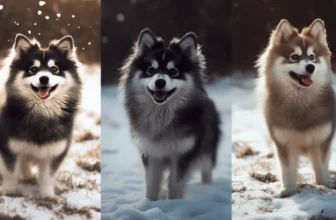
Pomskies come in various sizes and colors depending on their parentage. Since they are hybrids, their appearance may vary depending on which genes they inherit from each parent.
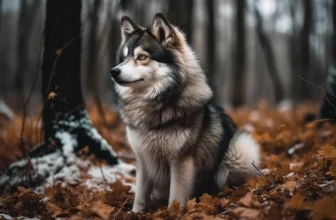
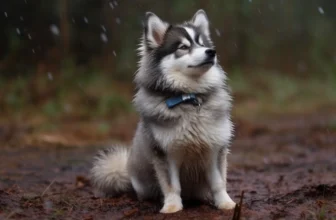
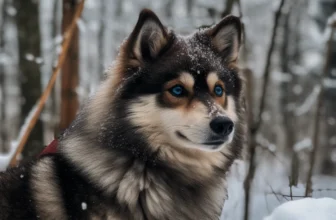
Generally speaking, pomskies have a compact build with thick fur that looks similar to a husky’s coat but smaller in size. Their ears are usually pointed upwards like those of a husky, while their tails tend to curl upwards like a Pomeranian’s tail.
The average weight range of an adult pomsky is between 20-30 pounds. However, some may weigh more or less depending on their genetics.
Pomskies come in various colors, including black, white, grey, brown, and cream. Some pomskies may have a mixture of two or more colors.
Temperament
Pomskies are known for their friendly and affectionate nature. They love to play and are highly energetic, which makes them great companions for active families. However, they can also be stubborn at times and require consistent training from an early age.
One thing to keep in mind is that pomskies tend to be vocal dogs. They may bark excessively if not trained properly, so it’s essential to teach them how to communicate effectively without barking excessively.
Overall, pomskies make excellent pets for those who have the time and energy to devote to their care and training. They are loyal companions who will undoubtedly bring joy to your life.
Care
Taking care of a pomsky requires specific attention since they have unique needs compared to other dog breeds. Here are some tips on how to take care of your pomsky:
Pomskies need a balanced diet that provides all the necessary nutrients for their growth and development. It’s best to feed them high-quality dog food that contains animal protein as the main ingredient.
Pomskies require regular exercise to stay healthy and happy. A brisk walk or jog around the neighborhood is sufficient for most pomskies. However, they do well with more extended play sessions in a fenced yard or park.
Pomskies have thick fur that requires regular grooming to prevent matting and tangling. Brushing their coat at least once a week is recommended, while bathing should only be done when necessary.
As previously mentioned, pomskies can be stubborn at times, so early training is essential. Positive reinforcement training methods work best with pomskies, and consistency is key.
Health Issues
As with any dog breed, pomskies are prone to certain health issues. Some of the common health problems that pomskies may develop include:
Hip dysplasia is a condition where the hip joint doesn’t develop correctly, leading to pain, lameness, and arthritis.
Pomskies are prone to developing eye problems such as cataracts, glaucoma, and progressive retinal atrophy.
Pomskies are susceptible to tartar buildup and gum disease, which can lead to tooth loss if left untreated.
It’s essential to take your pomsky for regular checkups with a veterinarian to detect any potential health issues early on. Proper care and attention can help prevent these problems from arising or minimize their impact if they do occur.
Training Tips for Pomskies
Training your pomsky requires patience and consistency. Here are some tips on how to train your pomsky effectively:
Early training is crucial in shaping your pomsky’s behavior. It’s best to start training them as soon as possible, preferably when they are still puppies.
Pomskies respond well to positive reinforcement training methods such as treats, praise, and playtime. Consistently rewarding good behavior will encourage them to continue behaving correctly.
Consistency is key in training your pomsky. Make sure everyone in the family follows the same rules and commands so that your dog doesn’t get confused.
Potty training can be challenging with pomskies since they tend to have small bladders. Crate training can be effective in teaching them where to go potty and preventing accidents inside the house.
Teaching basic commands such as sit, stay, come, and heel is essential in ensuring that your pomsky obeys your commands. Consistent practice will help your dog master these commands over time.
Frequently Asked Questions
Here are some frequently asked questions about pomskies:
No, pomskies are not hypoallergenic since they have thick fur that sheds regularly.
Pomskies can get along with other pets if socialized correctly from an early age. However, it’s best to supervise interactions between your pomsky and other pets to prevent any aggressive behavior.
Pomskies require regular exercise to stay healthy and happy. A brisk walk or jog around the neighborhood is sufficient for most pomskies. However, they do well with more extended play sessions in a fenced yard or park.
Conclusion
Pomskies are unique dogs that require specific care and attention to thrive. Understanding their characteristics and temperament is crucial in providing them with the best possible care. With proper training, love, and attention, pomskies make excellent companions for those who have the time and energy to devote to their care.