Quick answer
This is a historical informational page, not proof of a seller's current identity, inventory, price, nonprofit status, customer rating, or endorsement by Apomsky. Verify every current claim independently before sharing personal information or paying a deposit.
Request verifiable parent health-screening records, confirm the seller's physical identity and return contract, see the dogs and their living conditions when possible, and avoid guarantees about adult size, eye color, temperament, or perfect health.
What to verify
- Verify the seller's identity, location, contract, return policy, and current contact details.
- Check public parent health-screening records and ask what each result means.
- Never rely on a guaranteed size, color, temperament, or perfect-health claim.
Sources and further reading
Pomsky Pomeranian Siberian Husky Mix: A Comprehensive Guide
If you’re looking for a cute and lovable dog that’s perfect for your family, the pomsky might just be the breed for you. Pomskies are a mix of two popular breeds – the Pomeranian and the Siberian husky – which makes them an ideal choice for those who love both these breeds but can’t choose between them.
In this comprehensive guide, we’ll take a closer look at everything you need to know about pomskies, including their appearance, temperament, grooming needs, health issues, training requirements, and much more. So let’s get started!
Appearance
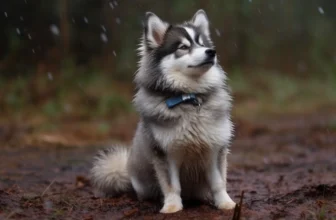
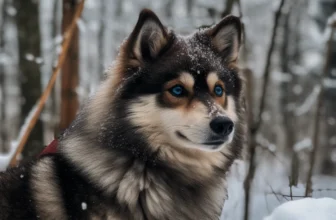
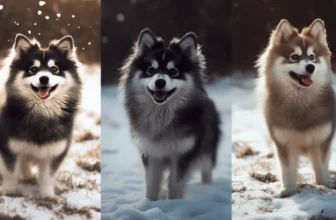
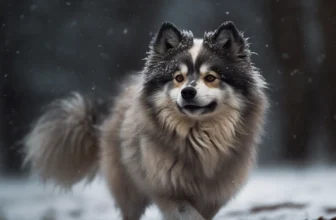
Pomskies come in different colors and sizes depending on the parents’ genetics. Generally, they have a small size like Pomeranians but have a thick coat like the Siberian husky. Pomskies weigh between 20-30 pounds and stand about 10-15 inches tall at the shoulder. Their coat is usually soft and fluffy with a mix of colors such as black, brown, gray, white or cream.
Their ears are usually pointed up like a husky while their muzzle is short like that of a Pomeranian. Their eyes are usually blue or brown and almond-shaped.
Temperament
Pomskies are known to be fun-loving dogs that enjoy playing with children and adults alike. They are loyal to their owners and make great companions. Their playful nature makes them perfect for families with kids as they love to run around and play fetch.
They are intelligent dogs that can learn commands quickly. However, they can also be stubborn at times which means that training them requires patience and persistence.
While they may be small in size, they are quite vocal and will bark to alert their owners of any perceived threats. This makes them great watchdogs despite their small size.
Grooming Needs
Pomskies have a thick coat that requires regular grooming to keep it healthy and shiny. They shed moderately throughout the year, so brushing them at least once or twice a week is recommended to prevent matting and tangling of their fur.
During shedding season, which usually happens twice a year, you may need to brush them more frequently to remove loose hair and prevent it from getting all over your furniture and clothing.
You should also trim their nails regularly to keep them from getting too long as this can cause discomfort and even pain when walking. Additionally, you should clean their ears regularly to prevent infections.
Health Issues
Pomskies are generally healthy dogs but are prone to some health issues that affect both Pomeranians and Siberian huskies. These include:
- Hip Dysplasia: This is a genetic condition that affects many breeds, including Pomeranians and Siberian huskies. It causes the hip joint to weaken, leading to arthritis and difficulty walking.
- Eye Problems: Pomskies can suffer from eye problems such as cataracts and progressive retinal atrophy (PRA), which can lead to blindness if not treated early.
- Heart Problems: Some pomskies may develop heart problems such as mitral valve disease or patent ductus arteriosus (PDA), which can cause breathing difficulties and other complications if left untreated.
- Dental Problems: Pomskies are prone to dental problems such as gum disease, tooth decay, and tartar buildup. Therefore, regular dental checkups and cleaning are essential.
To prevent these health issues, it is important to buy your pomsky from a reputable breeder who conducts genetic testing on their breeding dogs to ensure that they are free of any hereditary diseases. Additionally, regular vet checkups and a healthy diet can help keep your pomsky healthy and happy.
Training Requirements
As mentioned earlier, pomskies are intelligent dogs that can learn commands quickly. However, their stubborn nature means that training them requires patience and persistence.
Positive reinforcement techniques such as treats, praise, and playtime work best when training pomskies. Harsh punishments or scolding will only make them more stubborn and difficult to train.
Socialization is also crucial for pomskies as they can be wary of strangers if not properly socialized from an early age. Exposing them to different people, places, and situations will help them become well-adjusted dogs that are comfortable around new people and environments.
Conclusion
Pomskies are adorable dogs that make great companions for families with children or anyone looking for a lovable and playful pet. They have a unique appearance with a thick coat and come in different colors depending on the parents’ genetics.
While they require regular grooming and care to keep them healthy and happy, they are generally healthy dogs that can live up to 15 years or more with proper care.
If you’re considering getting a pomsky, be sure to do your research first and find a reputable breeder who prioritizes the health and welfare of their dogs. With the right care and training, your pomsky will be a loyal companion for many years to come.