Introduction
Welcome to our comprehensive guide on Amazon Pomskies! If you’re considering adding a Pomsky to your family or are simply curious about this adorable breed, you’ve come to the right place. In this article, we will delve into the size, appearance, temperament, and much more of these delightful dogs. So let’s get started!
What are Pomskies?
Pomskies, also known as Pomeranian Huskies, are a designer dog breed that combines the Siberian Husky and Pomeranian. They were first bred in the early 2000s and have quickly gained popularity due to their charming looks and friendly nature.
Size
Pomskies come in various sizes depending on the parent breeds’ characteristics. On average, they range from small to medium-sized dogs. The size of a Pomsky can vary greatly even within the same litter. Adult Pomskies usually weigh between 20-30 pounds (9-14 kg) and stand around 10-15 inches (25-38 cm) tall at the shoulder.
Appearance
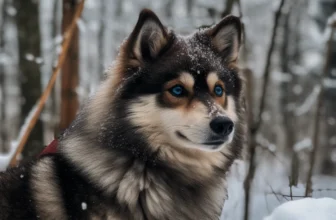
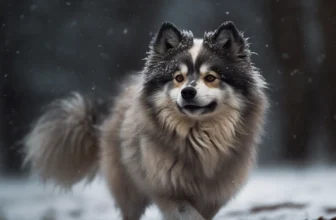
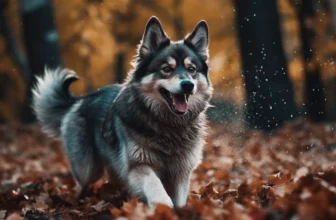
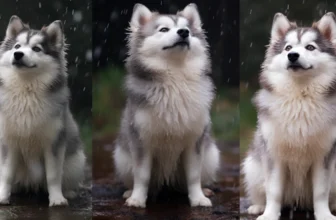
The appearance of a Pomsky is often described as stunning and eye-catching. These dogs inherit features from both their Husky and Pomeranian parents. Their coat can be long or medium in length with a dense undercoat. Common coat colors include white, black, gray, brown, red, and various combinations of these shades.
Pomskies usually have a fox-like face with almond-shaped eyes that can be blue, brown, or heterochromatic (each eye of different color). Their ears are erect and can be pointed or slightly rounded. The tail is often plumed and curls over the back.
Temperament
The temperament of a Pomsky is influenced by both the Siberian Husky and Pomeranian breeds. They are known to be intelligent, playful, and affectionate dogs. Pomskies thrive on human companionship and make great family pets. However, they may inherit some traits from their Husky lineage, such as independence and occasional stubbornness.
It’s important to note that each individual Pomsky’s temperament can vary depending on factors like socialization, training, and genetics.
Caring for Your Amazon Pomsky
Diet
A well-balanced diet is crucial for keeping your Amazon Pomsky healthy and happy. Consult with your veterinarian to determine the appropriate type and amount of food for your dog’s specific needs. High-quality dry kibble formulated for small to medium-sized breeds is generally recommended.
Grooming
Pomskies have moderate grooming needs due to their thick coats. Regular brushing helps keep their fur tangle-free and reduces shedding. Aim to brush your Pomsky at least two to three times per week using a slicker brush or comb specifically designed for double-coated breeds.
Other grooming practices include:
Exercise
Pomskies are energetic dogs that require regular exercise to stay physically and mentally stimulated. Daily walks, playtime, and interactive toys can help meet their exercise needs. Aim for at least 30-60 minutes of moderate activity per day, but always consider your individual dog’s energy level and consult with your veterinarian for personalized recommendations.
Training and Socialization
A well-trained Pomsky is a happy Pomsky!
Start training your Amazon Pomsky from an early age using positive reinforcement techniques such as treats, praise, and rewards. They are quick learners but can be stubborn at times, so patience and consistency are key. Basic obedience commands like sit, stay, and come should be taught early on.
Socialization is equally important. Expose your Pomsky to various people, animals, sounds, and environments to ensure they grow up to be confident and well-rounded dogs. Puppy classes or socialization groups can also be beneficial in promoting positive interactions with other dogs.
Health Concerns
Like all dog breeds, Pomskies may be prone to certain health issues inherited from their parent breeds. While not all individuals will experience these conditions, it’s essential to be aware of potential concerns:
1. Dental Problems:
Pomskies may be susceptible to dental issues like tooth decay and gum disease. Regular dental care, including brushing their teeth using canine toothpaste and providing appropriate chew toys, can help maintain good oral health.
2. Eye Conditions:
Pomskies can inherit eye conditions such as cataracts or progressive retinal atrophy. Regular eye examinations by a veterinarian are recommended to detect any potential problems early on.
3. Joint Problems:
Being a smaller-sized dog with Husky lineage, Pomskies may be prone to hip dysplasia and patellar luxation. Maintaining a healthy weight, providing joint supplements (under veterinary guidance), and regular exercise can help support their joints.
Finding Your Amazon Pomsky
If you’ve decided that an Amazon Pomsky is the perfect addition to your family, it’s essential to find a reputable breeder. Look for breeders who prioritize the health and well-being of their dogs, provide proper socialization, and follow responsible breeding practices.
Consider the following when choosing a breeder:
The Joy of Owning an Amazon Pomsky
Owning an Amazon Pomsky can bring endless joy and companionship into your life. With their striking appearance, friendly nature, and intelligence, these designer dogs make wonderful pets for individuals and families alike.
Remember, responsible ownership includes providing proper care, training, and love throughout your Pomsky’s life.
In Conclusion
We hope this comprehensive guide has equipped you with everything you need to know about Amazon Pomskies – from their size and appearance to their temperament, care requirements, and potential health concerns. If you decide to welcome one of these delightful dogs into your home, be prepared for a lifetime of love and happiness.