Introduction
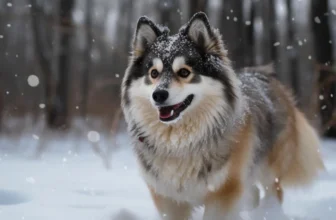
Pomskies are one of the most adorable and popular designer breeds that have been around for a few years. They are a cross between a Siberian Husky and a Pomeranian, giving them the best qualities of both breeds. Pomskies are intelligent, energetic, and sociable dogs that make great companions for families, singles, and seniors alike.
At Shoal Creek Pomskies, we specialize in breeding healthy and happy pomskies that will fit into any lifestyle. We believe that every dog deserves to be loved and cared for properly. That’s why we’ve put together this ultimate guide to raising happy and healthy pomskies.
Chapter 1: Choosing the Right Pomsky
Before you bring home your new furry friend, you need to choose the right pomsky that fits your lifestyle. Here are some things to consider when choosing your pomsky:
Size:
Pomskies come in different sizes depending on the size of their parents. They can be small or medium-sized dogs weighing anywhere from 10-30 pounds. If you live in an apartment or have limited space, a smaller pomsky may be more suitable for you.
Temperament:
Pomskies are known for their friendly and outgoing personalities. However, they can also inherit some of the traits of their parent breeds. Huskies are independent and can be stubborn at times, while Pomeranians can be excitable and yappy. When choosing a pomsky, consider which traits you prefer in a dog.
Activity level:
Pomskies are active dogs that require daily exercise to keep them healthy and happy. If you enjoy outdoor activities like hiking or running, a more active pomsky may be suitable for you. If you prefer calmer activities like walks around the block, a less active pomsky may be a better fit.
Chapter 2: Feeding Your Pomsky
Feeding your pomsky a balanced and nutritious diet is essential to their health and well-being. Here are some tips on feeding your pomsky:
Choosing the right food:
Pomskies require high-quality dog food that contains protein, healthy fats, and carbohydrates. Avoid foods with fillers or by-products as they can cause digestive issues. Choose food that is appropriate for your pomsky’s age, size, and activity level.
Feeding schedule:
Pomskies should be fed twice a day, once in the morning and once in the evening. Divide their daily recommended amount of food into two meals to prevent overeating.
Treats:
Treats are an excellent way to reward your pomsky for good behavior, but they should be given in moderation. Too many treats can lead to weight gain and other health issues.
Chapter 3: Exercise and Training
Exercise and training are essential for keeping your pomsky healthy and happy. Here are some tips on exercising and training your pomsky:
Exercise:
Pomskies require daily exercise to keep them physically and mentally stimulated. They enjoy activities like walks, hikes, and playtime in the backyard. Aim for at least 30 minutes of exercise per day.
Training:
Pomskies are intelligent dogs that respond well to positive reinforcement training methods. Start training your pomsky as soon as you bring them home. Basic obedience commands like sit, stay, come, and down are essential for their safety.
Chapter 4: Grooming Your Pomsky
Grooming your pomsky is essential for their health and hygiene. Here are some tips on grooming your pomsky:
Bathing:
Pomskies should be bathed every 6-8 weeks or as needed. Use a mild dog shampoo and rinse thoroughly to avoid skin irritation.
Brushing:
Pomskies have thick double coats that require regular brushing to prevent matting and shedding. Brush them at least once a week with a slicker brush or undercoat rake.
Nail trimming:
Trim your pomsky’s nails every 2-4 weeks to prevent overgrowth and discomfort. Use sharp nail clippers and avoid cutting the quick (the pink part of the nail).
Chapter 5: Health Issues
Like all dogs, pomskies can be prone to certain health issues. Here are some common health issues that pomskies may face:
Hip dysplasia:
Hip dysplasia is a genetic condition that affects the hip joints. It can cause pain, lameness, and arthritis.
Eye problems:
Pomskies can inherit eye problems like cataracts, progressive retinal atrophy, and corneal dystrophy.
Dental problems:
Pomskies can develop dental problems like tartar buildup, gum disease, and tooth decay if their teeth are not properly cared for.
Conclusion
At Shoal Creek Pomskies, we believe that every dog deserves to be loved and cared for properly. We hope this ultimate guide to raising happy and healthy pomskies has given you valuable information on how to care for your new furry friend. Remember to choose the right pomsky for your lifestyle, feed them a balanced diet, exercise and train them regularly, groom them properly, and watch out for any potential health issues. With proper care and attention, your pomsky will be a loyal and loving companion for years to come.