Introduction
A Pomsky is an adorable crossbreed between a Siberian Husky and a Pomeranian. These small and fluffy dogs have gained immense popularity due to their charming looks and friendly nature. If you are considering adopting or purchasing a 2-year-old Pomsky, there are several important aspects you should be aware of to ensure a smooth transition into your home.
Physical Characteristics
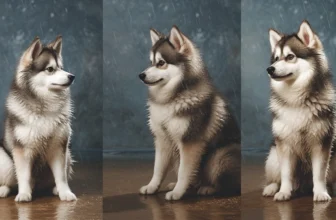
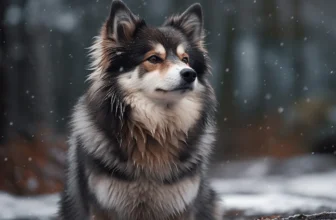
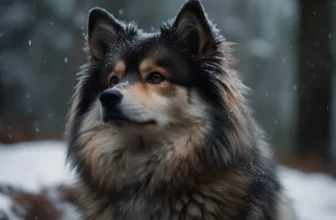
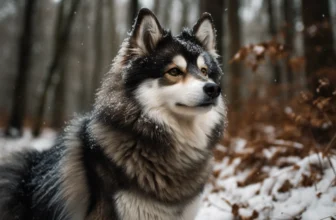
A 2-year-old Pomsky typically reaches its full size by this age. They usually weigh between 15 to 30 pounds and stand around 10 to 15 inches tall at the shoulder. Their appearance can vary depending on the traits inherited from their parent breeds, but they generally have a compact body, erect ears, and a thick double coat.
Grooming Needs
Pomskies require regular grooming to maintain the health and appearance of their coats. Brushing their fur at least two to three times a week helps prevent matting and keeps it looking beautiful. Additionally, periodic baths using dog-specific shampoos will keep them clean and fresh.
Moreover, pay attention to their dental hygiene by brushing their teeth regularly with dog-safe toothpaste. Trimming their nails every few weeks is also important to prevent discomfort when walking or running.
Exercise and Mental Stimulation
Pomskies are active dogs that require regular exercise to keep them physically and mentally stimulated. Daily walks, playtime, and interactive toys can help meet their energy needs. Engaging in activities like obedience training, agility exercises, and puzzle toys can also provide mental challenges for your Pomsky.
Diet and Nutrition
A well-balanced diet is crucial for the overall health of a 2-year-old Pomsky. Feeding them high-quality dog food formulated for small breeds is recommended. Consult with your veterinarian to determine the appropriate portion sizes based on your Pomsky’s weight and activity level.
It’s important to divide their daily food intake into two or three small meals to prevent digestive issues such as bloating. Access to fresh water should be available at all times.
Healthcare and Vaccinations
Regular veterinary check-ups are essential to ensure your Pomsky’s good health. Vaccinations should be kept up to date to protect against common canine diseases. Your vet may also recommend preventive measures for conditions such as heartworms, fleas, and ticks.
Additionally, it is crucial to maintain a dental care routine for your Pomsky, including regular teeth cleanings by a professional veterinarian.
Training and Socialization
Early socialization and obedience training are vital for a well-behaved Pomsky. Starting their training from an early age will help build a strong foundation of discipline and good behavior. Enrolling in puppy classes or seeking the assistance of a professional dog trainer can greatly benefit both you and your Pomsky.
Pomskies are intelligent dogs that enjoy learning and pleasing their owners. Positive reinforcement techniques using treats, praise, and rewards work best to motivate them during training sessions.
Behavioral Considerations
Understanding your Pomsky’s behavior is important for a harmonious relationship. Like their parent breeds, Pomskies can have an independent streak, so patience and consistency are key when addressing any behavioral issues.
Separation anxiety can also be a concern for Pomskies. Gradually acclimating them to alone time and providing interactive toys or puzzles can help alleviate this issue.
Conclusion
Raising a 2-year-old Pomsky can be an incredibly rewarding experience. By understanding their physical characteristics, grooming needs, exercise requirements, diet, healthcare, training, and behavioral considerations, you can provide the best care for your furry friend.
A happy and well-adjusted Pomsky will bring immense joy to your life with their playful nature and unwavering loyalty. Remember to always shower them with love, attention, and proper care to ensure they thrive in their new home.