Introduction
In recent years, the Pomsky has gained immense popularity as a designer breed. Combining the striking features of a Siberian Husky with the adorable charm of a Pomeranian, this half husky, half Pomeranian crossbreed has captured the hearts of dog lovers worldwide. In this comprehensive guide, we will delve into every aspect of the Pomsky breed and provide you with all the information you need to understand and care for these unique and captivating dogs.
Chapter 1: Origins and History
The Pomsky is a relatively new breed that emerged in the early 2000s. It was initially created as an experiment to produce a smaller version of the Siberian Husky without compromising its appealing appearance and energetic personality. Breeders achieved this by crossing Siberian Huskies with Pomeranians, resulting in puppies that inherited traits from both parent breeds.
1.1 Siberian Husky
The Siberian Husky is known for its stunning blue or multicolored eyes and thick double coat. Originally bred as sled dogs in northeastern Asia, these highly intelligent and energetic dogs are renowned for their endurance and ability to work in harsh conditions.
1.2 Pomeranian
The Pomeranian, on the other hand, is a small toy breed known for its fluffy coat and lively personality. Originating from Germany, these compact yet vibrant dogs were favored by royalty throughout history.
1.3 The Hybridization Process
When breeders crossed Siberian Huskies with Pomeranians, they aimed to create a dog that possessed the desirable traits of both breeds. However, due to genetic variability, the resulting Pomsky puppies may exhibit varying characteristics, making each one truly unique.
Chapter 2: Appearance and Size
Pomskies come in various sizes depending on the size of their parent breeds. Typically, they fall into three categories:
- Toy Pomsky: Weighing between 5-9 pounds and standing around 10 inches tall at the shoulder.
- Miniature Pomsky: Weighing between 10-20 pounds and standing around 11-15 inches tall at the shoulder.
- Standard Pomsky: Weighing between 20-30 pounds and standing around 16-22 inches tall at the shoulder.
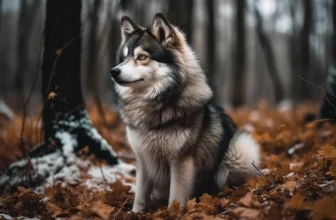
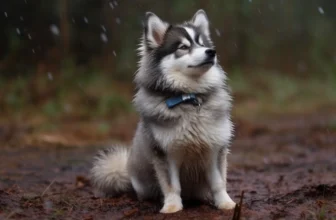
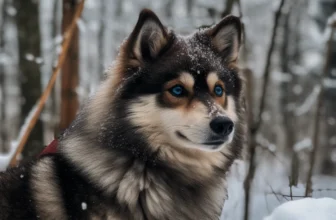
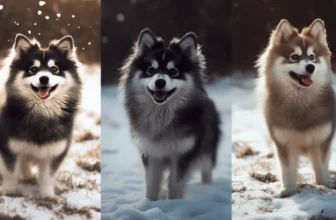
Their appearance can also vary, as some Pomskies resemble Huskies more closely, while others have a stronger resemblance to Pomeranians. Common features include a fox-like face, erect ears, almond-shaped eyes of different colors, and a beautiful double coat that can be fluffy or sleek.
Chapter 3: Temperament and Personality
Pomskies inherit personality traits from both parent breeds, resulting in a diverse range of temperaments. Here are some general characteristics:
- Pomskies are typically intelligent and eager to learn.
- They tend to be friendly and affectionate towards their families.
- Pomskies are known for being active and energetic; they require regular exercise to stay happy and healthy.
- They are often social dogs and can get along well with other pets if properly socialized.
- Pomskies may exhibit a strong prey drive, so caution should be taken when introducing them to smaller animals.
It is important to note that individual Pomskies may display variations in temperament due to the genetic lottery inherited from their parents.
Chapter 4: Training and Exercise
Pomskies thrive on mental and physical stimulation. Regular exercise is essential for keeping them happy and preventing behavioral problems. Here are some training tips:
- Start training your Pomsky early using positive reinforcement techniques such as treats and praise.
- Focus on basic commands like sit, stay, come, and leash manners.
- Provide mental stimulation through puzzle toys or interactive games to keep their intelligent minds engaged.
- Enroll in obedience classes or seek professional guidance if needed.
Remember that consistency and patience are key when training a Pomsky. They respond best to positive reinforcement rather than harsh discipline.
Chapter 5: Grooming Needs
The Pomsky’s coat can vary between individuals, but most have a dense double coat that requires regular grooming. Here are some grooming tips:
- Brush your Pomsky’s coat at least two to three times a week to prevent matting and tangles.
- Bathe them when necessary using a mild dog shampoo, ensuring thorough rinsing to avoid skin irritation.
- Trim their nails regularly to prevent overgrowth and discomfort.
- Clean their ears weekly to avoid wax buildup and potential infections.
If you are not confident in handling their grooming needs yourself, consider seeking professional grooming services to keep your Pomsky looking and feeling its best.
Chapter 6: Health Concerns
Pomskies, like all dog breeds, can be prone to certain health issues. While not all Pomskies will experience these problems, it’s essential to be aware of potential conditions:
- Patellar Luxation: This condition involves the kneecap slipping out of place and can cause lameness or discomfort.
- Eye Problems: Pomskies may inherit eye conditions such as cataracts or progressive retinal atrophy (PRA).
- Hip Dysplasia: This condition occurs when the hip joint does not develop correctly, leading to mobility issues and pain.
- Allergies: Some Pomskies may be prone to allergies, which can manifest as skin irritations or respiratory issues.
Regular veterinary check-ups and proper care can help minimize the risk of these health concerns. It is also crucial to work with reputable breeders who prioritize health testing in their breeding programs.
Conclusion
The Pomsky is a captivating crossbreed that combines the best traits of Siberian Huskies and Pomeranians. From their unique appearance to their diverse personalities, Pomskies have captured the hearts of dog enthusiasts worldwide. As an owner or potential owner of a Pomsky, understanding their origins, temperament, training needs, grooming requirements, and potential health concerns is vital for providing them with a happy and fulfilling life. By arming yourself with this ultimate guide, you are well on your way to becoming a knowledgeable and responsible Pomsky owner.