Pomeranian Mix Pomsky: Understanding Their Size and Appearance
If you are a dog lover, chances are you have heard of the pomsky breed. The pomsky is a relatively new designer breed that has become increasingly popular in recent years. This adorable little dog is a cross between a Pomeranian and a Siberian Husky, resulting in a unique mix of traits from both breeds.
One of the most fascinating aspects of the pomsky is its size and appearance. Due to their mixed breeding, these dogs can vary greatly in terms of size, coat color, and overall appearance. In this article, we will take a closer look at the different factors that contribute to the size and appearance of Pomeranian mix pomskies.
Size
When it comes to determining the size of a pomsky, there are several factors to consider. Firstly, it’s important to note that Pomeranians are small dogs, typically weighing between 3-7 pounds when fully grown. Siberian Huskies, on the other hand, are much larger dogs that can weigh anywhere from 35-60 pounds.
Due to this significant difference in size between the two parent breeds, there can be quite a bit of variation in terms of how big a pomsky will grow to be. Generally speaking, most pomskies fall somewhere in between the weight range of their parents.
The average weight for an adult pomsky is around 20-30 pounds, with some individuals being as small as 10 pounds or as large as 50 pounds. It’s also worth noting that female pomskies tend to be smaller than males on average.
Another factor that can impact the size of a pomsky is their generation. First-generation (F1) pomskies are produced by breeding a purebred Pomeranian with a purebred Siberian Husky. These dogs tend to be larger in size than second-generation (F2) pomskies, which are produced by breeding two F1 pomskies together.
Appearance
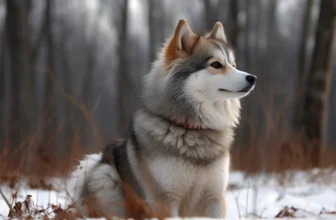
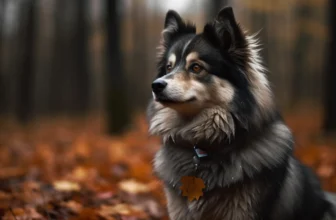
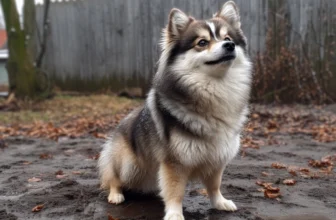
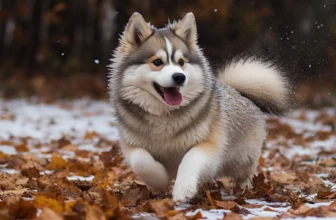
When it comes to the appearance of pomskies, there can be quite a bit of variation due to their mixed breeding. Some pomskies may take after their Pomeranian parent more, while others may have more Siberian Husky traits.
One of the most noticeable differences between the two breeds is their coat. Pomeranians have a thick double coat that is soft and fluffy, while Siberian Huskies have a coarser, thicker coat that is designed to keep them warm in cold temperatures.
Pomsky coats can vary depending on which parent they take after more. Some pomskies will have a thick, fluffy coat like a Pomeranian, while others may have a shorter, coarser coat like a Siberian Husky. Coat colors can also vary greatly and include everything from solid black or white to combinations of brown, grey, and cream.
Another aspect of pomsky appearance that can vary is their facial features. Pomeranians are known for their small, round faces with perky ears and expressive eyes. Siberian Huskies, on the other hand, have longer snouts and almond-shaped eyes.
As you might expect from a mix between these two breeds, pomskies can have a wide range of facial features. Some may have short snouts and perky ears like a Pomeranian, while others may have longer snouts and floppy ears like a Siberian Husky.
Breeding Considerations
If you are considering becoming a breeder for pomskies, it’s important to understand the different factors that can impact the size and appearance of these dogs. When breeding pomskies, it’s essential to select high-quality parent dogs with desirable traits.
One of the biggest challenges in breeding pomskies is ensuring that the puppies grow to a healthy size. Because there can be such a significant difference in size between Pomeranians and Siberian Huskies, it’s important to carefully select parent dogs that are not too extreme in their weight or height.
Additionally, breeding pomskies requires a great deal of knowledge and experience with both Pomeranians and Siberian Huskies. It’s essential to understand each breed’s unique characteristics, temperament, and health concerns.
Caring for Pomskies
If you are considering adopting a pomsky or already have one as a pet, it’s important to understand how to properly care for these unique dogs. Because they are a mixed breed, pomskies may have different needs and requirements than purebred Pomeranians or Siberian Huskies.
One of the most important things you can do as a pomsky owner is to provide plenty of exercise and mental stimulation. These dogs are energetic and intelligent, so they need plenty of opportunities to play, explore, and learn. Regular walks, trips to the dog park, and training sessions can all help keep your pomsky happy and healthy.
It’s also important to pay attention to your pomsky’s grooming needs. Depending on their coat type, they may require regular brushing or even professional grooming appointments. Additionally, because they have small mouths like Pomeranians but larger teeth like huskies, dental hygiene is especially important for pomskies.
Finally, it’s crucial to feed your pomsky a high-quality diet that meets their nutritional needs. Talk to your veterinarian about the best food options for your dog based on their age, weight, activity level, and health status.
Conclusion
Pomskies are an adorable and unique mix between Pomeranians and Siberian Huskies. Their size and appearance can vary greatly depending on several factors, including generation, parentage, and coat type.
If you are considering becoming a breeder for pomskies or adopting one as a pet, it’s important to understand their unique needs and requirements. With proper care and attention, these dogs can make loving and loyal companions for years to come.