Pomskies: Understanding the 75% Husky, 25% Pomeranian Mix
Pomskies are a relatively new breed of dog that have been gaining popularity in recent years. They are a mix between a Siberian Husky and a Pomeranian, with a 75% Husky and 25% Pomeranian genetic makeup. This unique blend of breeds results in a dog that is both adorable and energetic, but also requires special attention when it comes to training and care.
History of the Pomsky Breed
The Pomsky breed can be traced back to the early 2000s, when breeders began experimenting with crossing different breeds of dogs to create new designer breeds. The first known Pomsky litter was born in 2009, and since then the breed has continued to gain popularity.
While there is still some debate over whether or not Pomskies should be considered a true breed or just a hybrid mix, they have become increasingly popular among dog lovers who are looking for something unique.
Physical Characteristics of Pomskies
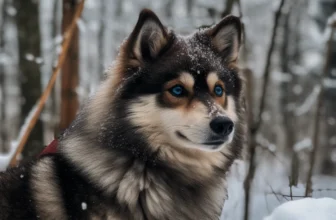
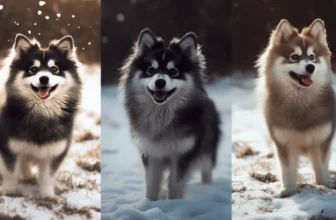
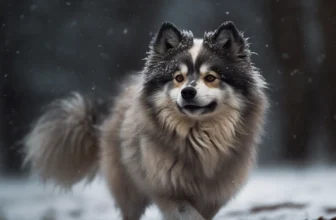
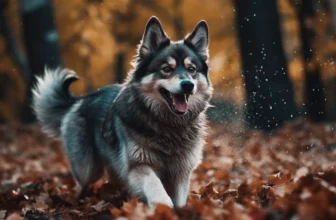
As mentioned earlier, Pomskies are a mix between a Siberian Husky and a Pomeranian, so their physical appearance can vary quite a bit depending on which traits they inherit from each parent. Generally speaking, however, most Pomskies will have the following characteristics:
- Average height: between 10-15 inches at the shoulder
- Average weight: between 20-30 pounds
- Coat: thick and fluffy, usually with colors ranging from white to black with various shades of brown in between
- Eyes: typically blue or brown, but can also be hazel or green
- Ears: pointed and erect like a Husky’s, but smaller in size like a Pomeranian’s
- Tail: often curled up over the back like a Husky’s, but can also have a straight tail like a Pomeranian’s
Temperament of Pomskies
Pomskies are known for their friendly and energetic personalities, which make them great family pets. They are typically very playful and affectionate, but can also be stubborn at times.
Because they are a mix between two breeds with very different temperaments, it is important to socialize your Pomsky from a young age in order to help them develop good behavior and manners. They can be prone to separation anxiety if left alone for extended periods of time, so it is important to provide plenty of mental stimulation and exercise.
Training and Care for Pomskies
Because Pomskies are such active and intelligent dogs, they require a lot of training and exercise in order to stay happy and healthy. Here are some tips for caring for your Pomsky:
Training: Start training your Pomsky as soon as possible using positive reinforcement techniques. They respond well to treats and praise, so use these as incentives when teaching them new commands or behaviors.
Exercise: Pomskies need at least 30 minutes of exercise each day, but ideally should get closer to an hour of activity. This can include walks, runs, playtime in the yard or park, or even agility training.
Grooming: Because their coats are thick and fluffy, Pomskies require regular grooming in order to prevent matting and tangles. Brush them at least once a week using a slicker brush or comb.
Nutrition: Feed your Pomsky a high-quality dog food that is appropriate for their size and activity level. Avoid overfeeding them or giving them too many treats, as they can easily gain weight.
Health Concerns for Pomskies
Like all breeds of dogs, Pomskies are prone to certain health concerns that you should be aware of. Here are some of the most common health issues that Pomskies may face:
- Eye problems: Pomskies can be prone to eye infections or other issues due to their smaller size and flatter faces.
- Hip dysplasia: This is a common issue among larger breeds of dogs, but it can also affect Pomskies due to their Husky heritage.
- Dental problems: Because they have small mouths, Pomskies can be prone to dental issues like gum disease or tooth decay if not properly cared for.
It is important to take your Pomsky to regular check-ups with a veterinarian in order to catch any potential health issues early on.
Conclusion
Pomskies are a unique and lovable breed of dog that require special attention when it comes to training and care. By understanding their temperament, physical characteristics, and health concerns, you can provide your Pomsky with the best possible life. If you are considering adding a Pomsky to your family, make sure you do your research and find a reputable breeder who is knowledgeable about this relatively new breed.