Pomsky 75 Pomeranian 25 Husky: Understanding the Popular Designer Breed
The Pomsky, also known as the Pomeranian Husky mix, is a popular designer breed that has garnered a lot of attention in recent years. This unique crossbreed combines the smaller size and affectionate personality of the Pomeranian with the striking appearance and independent nature of the Siberian Husky. The result is a charming and intelligent companion that has captured the hearts of dog lovers around the world.
Origins of the Pomsky
The origins of the Pomsky can be traced back to the early 2000s, when breeders began experimenting with crossing Pomeranians and Siberian Huskies. The goal was to create a smaller version of the Husky that would be more suitable for apartment living, while retaining some of its distinctive physical characteristics. The first generation Pomskies were typically bred using artificial insemination, as naturally mating a larger male Husky with a smaller female Pomeranian could have been dangerous for both dogs.
Over time, breeders refined their techniques and began producing second and third generation Pomskies that were more consistent in appearance and temperament. Today, Pomskies are recognized as a hybrid breed by several organizations, including the American Canine Hybrid Club and International Designer Canine Registry.
Physical Characteristics
One of the most appealing aspects of the Pomsky is its striking appearance. These dogs can vary greatly in size, depending on the size of their parents and whether they are first or later generation hybrids. However, most Pomskies fall somewhere between 10-25 pounds and stand around 10-15 inches tall at the shoulder.
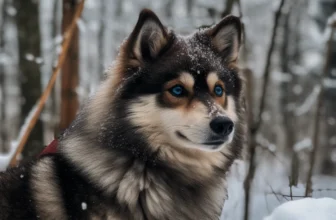
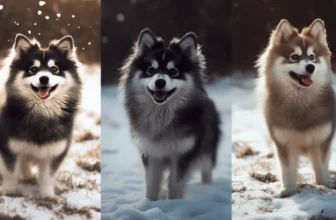
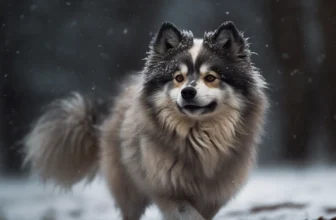
Their coats are typically thick and fluffy, with a variety of colors and markings. Many Pomskies have the distinctive Husky mask and pointed ears, along with a curled tail and striking blue or brown eyes.
Temperament and Personality
When it comes to personality, the Pomsky is a true delight. These dogs are known for their affectionate and playful nature, as well as their intelligence and independent streak. They love spending time with their owners and are great with children, but they also enjoy having some alone time to explore and play on their own.
While Pomskies can be stubborn at times, they are generally eager to please and respond well to positive reinforcement training methods. They thrive on mental stimulation and physical exercise, so it’s important to provide them with plenty of opportunities to learn new things and burn off energy.
Caring for Your Pomsky
Like any dog, Pomskies require proper care in order to stay healthy and happy. Here are some tips for keeping your furry friend in top shape:
- Grooming: Pomskies have thick coats that require regular brushing to prevent matting and tangling. They also shed quite a bit, especially during seasonal changes, so be prepared to do some extra vacuuming around the house.
- Diet: A high-quality dog food that is appropriate for your Pomsky’s age, size, and activity level is essential for maintaining good health. Be sure to read labels carefully and avoid foods that contain fillers or artificial preservatives.
- Exercise: Pomskies need daily exercise to stay fit both physically and mentally. This can include walks, runs, games of fetch, or even agility training if you’re up for it!
- Training: Positive reinforcement training methods work best with Pomskies, as they respond well to praise and rewards. Be patient and consistent, and remember that these dogs are intelligent and eager to learn.
- Socialization: Introducing your Pomsky to new people, animals, and environments from an early age is crucial for helping them develop positive social skills and confidence.
Pomsky Health Concerns
While Pomskies are generally healthy dogs, like any breed they can be prone to certain health issues. Some of the most common concerns include:
- Eye problems: Pomskies can develop cataracts, glaucoma, or other eye issues that may require surgery or medication.
- Hip dysplasia: This is a genetic condition that affects the hip joints, causing pain and mobility issues. Regular check-ups with your vet can help catch this condition early on.
- Dental problems: Like many small breeds, Pomskies are susceptible to dental issues such as gum disease and tooth decay. Regular teeth cleaning at home or by a professional can help prevent these issues.
Finding a Reputable Breeder
If you’re interested in adding a Pomsky to your family, it’s important to find a reputable breeder who prioritizes the health and well-being of their dogs. Look for breeders who are transparent about their breeding practices and provide documentation of health screenings for both parent breeds.
You may also want to consider adopting a Pomsky from a rescue organization or shelter. While these dogs may not have the same pedigree as those from breeders, they still make wonderful pets and deserve a loving home.
In Conclusion
The Pomsky is a unique and charming breed that offers the best of both worlds in terms of size, appearance, and personality. Whether you’re looking for a playful companion or an active partner for outdoor adventures, the Pomsky may be just the dog for you.
Remember to do your research and find a reputable breeder or rescue organization when adding any new pet to your family. With proper care and attention, your Pomsky will provide years of love and companionship.