Pet Pomsky: The Ultimate Guide to Understanding This Adorable Breed
If you’re on the hunt for a new furry companion, then the pet pomsky might just be the perfect choice for you. These adorable dogs are a cross between a Pomeranian and a Siberian Husky, resulting in a small and fluffy breed that’s full of energy and personality.
History of the Pomsky Breed
The pomsky is a relatively new breed, having only been developed in the last decade or so. While it’s not entirely clear where the first pomskies were bred, it’s believed that they originated in North America.
The idea behind breeding these two breeds together was to create a dog with the best qualities of both parent breeds. The Pomeranian is known for its small size and cute appearance, while the Siberian Husky is loved for its intelligence and loyalty. By combining these traits, breeders hoped to create a dog that was both adorable and intelligent.
Physical Characteristics of the Pomsky
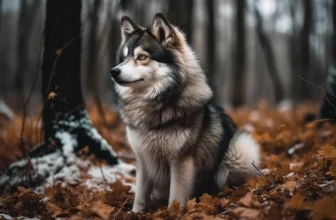
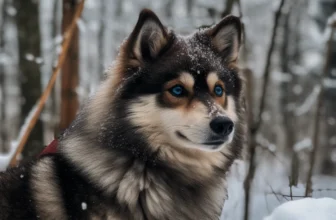
One of the most appealing aspects of the pomsky is their adorable appearance. These dogs typically have thick fur that comes in a variety of colors such as white, black, grey, brown and red. Their faces resemble those of their Pomeranian ancestors, with bright eyes and perky ears.
As for their size, pomskies can range from 10-25 pounds depending on their lineage. Some may be more like a Pomeranian in size while others may be closer to a small husky.
Temperament and Personality
The temperament and personality of your pet pomsky will depend largely on their individual genetics as well as how they are raised and trained. Generally speaking, though, these dogs are known for being friendly, outgoing, and energetic.
They’re also smart and eager to please, making them easy to train. However, they can be stubborn at times, so it’s important to establish yourself as the alpha early on in their training.
Pomskies are also very social animals and love spending time with their families. They enjoy playing and going on walks, but they’re just as content snuggling up on the couch for a lazy afternoon.
Caring for Your Pomsky
As with any dog breed, caring for your pomsky requires a certain level of commitment and responsibility. Here are some tips to help you keep your pet happy and healthy:
- Grooming: Pomskies have thick fur that requires regular grooming to prevent matting. Brush your dog’s coat several times a week and bathe them as needed.
- Exercise: Pomskies are active dogs that require daily exercise to stay healthy. Take your dog for walks or play games like fetch in the backyard.
- Nutrition: Feed your pomsky a high-quality diet that is appropriate for their size and age. Be sure to provide plenty of fresh water throughout the day.
- Veterinary Care: Regular check-ups with your veterinarian are essential to maintaining your pet’s health. Keep up-to-date on vaccinations, flea and tick prevention, and heartworm medication.
Pomsky Training Tips
Training your pomsky is an important part of being a responsible pet owner. Here are some tips to help you get started:
- Start Early: Begin training your pomsky as soon as you bring them home. This will help establish good habits and prevent bad ones from forming.
- Positive Reinforcement: Use positive reinforcement techniques like treats and praise to encourage good behavior. Avoid punishment or scolding, as this can lead to fear and aggression.
- Be Consistent: Consistency is key when it comes to training your dog. Use the same commands and routines every day to help your pet understand what’s expected of them.
- Socialization: Socializing your pomsky with other dogs and people is important for their development. Take them to dog parks or on playdates with other friendly dogs.
Pomsky Health Concerns
Like all dog breeds, pomskies are susceptible to certain health issues. Here are some common concerns to watch out for:
- Hip Dysplasia: This condition occurs when the hip joint doesn’t develop correctly, leading to pain and mobility issues.
- Cataracts: Cataracts occur when the lens of the eye becomes cloudy, leading to vision loss.
- Patellar Luxation: This is a condition where the kneecap dislocates from its normal position, causing lameness or limping.
- Dental Problems: Pomskies are prone to dental issues like gum disease and tooth decay. Regular brushing and dental cleanings can help prevent these problems.
Finding a Pomsky Breeder
If you’re interested in adding a pomsky to your family, it’s important to find a reputable breeder. Look for breeders who are registered with a recognized organization like the American Kennel Club and who have a good reputation within the breeding community.
Be wary of breeders who offer “teacup” or extremely small pomskies, as these dogs may be more prone to health issues. Additionally, avoid buying from breeders who seem more interested in making a quick profit than ensuring the well-being of their animals.
In Conclusion
Pomskies are an adorable and lovable breed that make great companions for families and individuals alike. With proper care and training, your pet pomsky can bring you years of joy and happiness. Do your research, find a reputable breeder, and welcome your new furry friend into your home!