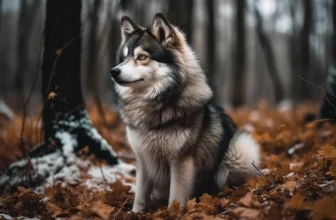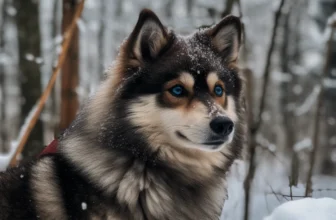
Pomsky Welpen: The Ultimate Guide to Raising Pomskies
Pomskies are a relatively new breed that has taken the world by storm. These adorable dogs are a cross between two of the most popular breeds in the world – the Pomeranian and the Siberian Husky. They have become extremely popular due to their cute looks, playful personality, and small size.
However, raising a Pomsky can be challenging as they require special care and attention. In this guide, we will provide you with all the information you need to raise your Pomsky puppy successfully.
Understanding Pomsky Temperament
Before bringing home your new Pomsky puppy, it is essential to understand their temperament. Pomskies are generally friendly, loyal, and affectionate dogs. They love being around people and other animals and make great family pets.
However, they can also be stubborn and independent at times, which makes training them a bit of a challenge. It’s important to start training your Pomsky puppy from an early age so that they learn good habits and manners.
Preparing Your Home for Your New Puppy
Before bringing home your new Pomsky puppy, you must prepare your home for their arrival. Here are some things you need to do:
- Designate a safe space for your puppy. This should be an area where they can sleep, eat, and play.
- Puppy-proof your home by removing any hazardous items such as chemicals and sharp objects.
- Buy all the necessary supplies such as food bowls, toys, leash, collar, crate, etc.
- Choose a veterinarian for your puppy’s regular checkups and vaccinations.
Feeding Your Pomsky Puppy
Pomsky puppies have small stomachs and require frequent meals throughout the day. Feed your puppy three to four small meals a day until they are six months old. After that, you can reduce the number of meals to two.
Choose high-quality dog food that is specifically formulated for small breeds. Avoid feeding your Pomsky human food as it may upset their stomach and cause health problems.
Grooming Your Pomsky Puppy
Pomskies have thick fur that requires regular grooming to keep it in good condition. Brush your puppy’s fur at least once a week to remove any tangles or mats. Bathe them once every two months or as needed.
Trim their nails regularly to prevent them from getting too long and causing discomfort. Clean their ears once a week to prevent ear infections.
Training Your Pomsky Puppy
Training your Pomsky puppy is crucial as it helps them learn good habits and manners. Start training your puppy from an early age and use positive reinforcement techniques such as treats and praise.
Teach your puppy basic commands such as sit, stay, come, and heel. Socialize them with other dogs and people so that they learn how to behave around others.
Exercise for Your Pomsky Puppy
Pomskies are active dogs that require daily exercise to stay healthy and happy. Take your puppy for regular walks or runs, play fetch with them, or take them to a dog park where they can run around and socialize with other dogs.
However, be careful not to over-exercise your puppy as they have delicate bones that may be injured if they engage in too much physical activity.
Health Issues That Affect Pomskies
Like all dog breeds, Pomskies are susceptible to certain health issues that you should be aware of. These include:
- Hip dysplasia
- Eye problems such as cataracts and progressive retinal atrophy
- Heart problems
- Skin allergies
- Dental problems such as tooth decay and gum disease
Regular visits to the veterinarian for checkups and vaccinations can help prevent or detect these health issues early on.
Conclusion
Raising a Pomsky puppy can be a rewarding experience if you are prepared to give them the care and attention they need. By understanding their temperament, preparing your home, feeding them well, grooming them regularly, training them, providing daily exercise, and monitoring their health, you can ensure that your Pomsky puppy grows up healthy, happy, and well-behaved.