Mile Hi Pomskies: Your Ultimate Guide to Raising Healthy and Happy Pomskies
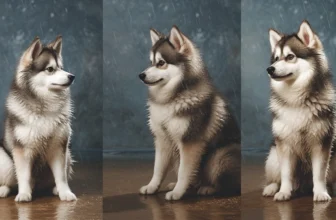
Pomskies are a crossbreed between Pomeranians and Siberian Huskies. They are known for their intelligence, loyalty, and playful nature. As a professional breeder for pomskies, I’ve dedicated years to breeding healthy and happy pomskies. In this guide, I’ll share my knowledge with you on how to raise your pomsky from a puppy to an adult.
Puppy Care
The first few weeks of a pomsky’s life are crucial for their development. As a new owner, it’s important to give them the proper care they need during this period. Here are some tips:
Feeding: Pomsky puppies require frequent feeding, as they have small stomachs. Feed them small amounts of high-quality puppy food at least three times a day.
Training: Start training your puppy early on. Teach them basic commands like sit, stay, and come. Use positive reinforcement techniques such as treats and praise.
Socialization: Socializing your pomsky is important to prevent behavioral problems later in life. Take them for walks outside, introduce them to other dogs, and let them interact with people.
Grooming: Pomskies have thick fur that requires regular grooming. Brush their coat at least once a week to prevent matting and tangling.
Adult Care
Once your pomsky reaches adulthood, their care requirements change slightly. Here are some tips on how to keep your furry friend healthy and happy:
Diet: Adult pomskies require a balanced diet that’s high in protein. Choose dog food that’s specifically formulated for their breed and age.
Exercise: Pomskies have a lot of energy, and they need regular exercise to stay healthy. Take them for walks, play fetch with them, or take them to the dog park to socialize with other dogs.
Grooming: Continue brushing your pomsky’s coat regularly to keep it clean and tangle-free. Trim their nails every month, and clean their ears as needed.
Veterinary Care: Regular check-ups with the veterinarian are important to keep your pomsky healthy. Make sure they receive all necessary vaccinations and preventative treatments such as flea and tick medication.
Common Health Issues
Like all dog breeds, pomskies are prone to certain health issues. Here are some common health problems that you should be aware of:
Hip Dysplasia: This is a genetic condition that causes hip joints to develop abnormally. It can lead to arthritis and mobility problems later in life.
Eye Problems: Pomskies can develop eye problems such as cataracts or progressive retinal atrophy (PRA).
Dental Problems: Pomskies are prone to dental problems such as gum disease and tooth decay. Regular teeth cleaning is important to prevent these issues.
If you notice any signs of illness or discomfort in your pomsky, take them to the vet immediately.
Pomsky Training Tips
Training your pomsky is an important part of raising a well-behaved dog. Here are some training tips to help you along the way:
Positive Reinforcement: Use treats and praise to reward good behavior. Avoid using punishment-based methods, as they can cause fear and aggression.
Consistency: Be consistent with your training methods. Use the same commands and rewards every time to avoid confusion.
Start Early: Start training your pomsky as early as possible. Puppies are more receptive to learning, and it can prevent behavior problems from developing later on.
Patience: Training takes time and patience. Don’t get frustrated if your pomsky doesn’t learn as quickly as you’d like.
Pomsky Breeding
Breeding pomskies requires a lot of knowledge and experience. As a professional breeder, I take great care in ensuring that my dogs are healthy and happy. Here are some things to consider if you’re interested in breeding pomskies:
Genetic Testing: Both parent dogs should undergo genetic testing to ensure that they don’t carry any hereditary health issues.
Breeding Age: Females shouldn’t be bred until they’re at least 2 years old and have had their first heat cycle. Males can be bred once they reach sexual maturity.
Careful Pairing: Pomskies should only be bred with other pomskies or purebred huskies and Pomeranians. Crossbreeding with other breeds can result in unpredictable traits and health issues.
Careful Placement: It’s important to carefully place puppies in homes where they’ll receive proper care and attention.
In Conclusion
Raising a healthy and happy pomsky requires dedication, patience, and knowledge. By following the tips outlined in this guide, you can ensure that your furry friend lives a long and fulfilling life. Remember to provide them with plenty of love, attention, and exercise, and they’ll reward you with loyalty and companionship.