Introduction
As a professional breeder for pomsky, I have seen many pomsky puppies in my career. While these little furballs are incredibly cute and lovable, they can also be quite mischievous. If you want your pomsky to be a well-behaved companion, you need to start training them from the moment you bring them home.
Chapter 1: Understanding Your Pomsky
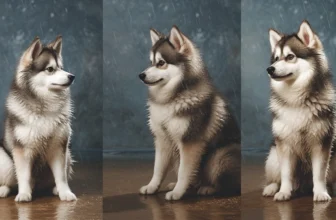
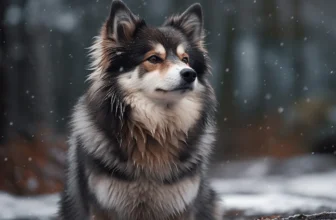
Before you start training your pomsky puppy, it’s essential to understand their breed characteristics. Pomskies are a mix between Pomeranians and Siberian Huskies, which means they have a unique blend of traits from both breeds.
Pomeranian Traits
Pomeranians are known for being small but mighty. They can be stubborn at times and can have a tendency to bark excessively. However, they are also loyal and affectionate towards their owners.
Siberian Husky Traits
Siberian Huskies are larger dogs that were originally bred for sled pulling. They are highly energetic and require plenty of exercise and mental stimulation. They can also be quite independent and strong-willed.
Pomsky Traits
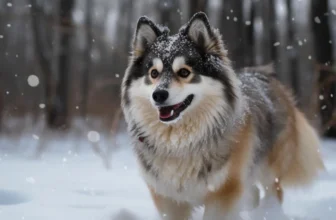
When you combine these two breeds, you get a pomsky that is playful, energetic, and intelligent. They can be vocal like Pomeranians and require plenty of exercise like Siberian Huskies. It’s important to keep these traits in mind when training your pomsky.
Chapter 2: Basic Training for Your Pomsky Puppy
Now that you understand your pomsky’s breed characteristics let’s dive into some basic training tips.
Potty Training
One of the first things you should focus on when bringing home a new puppy is potty training. The key is consistency and positive reinforcement. Take your puppy outside frequently, especially after meals and naps. When they go potty outside, praise them and offer a treat.
Crate Training
Crate training is an essential part of raising a puppy. It provides them with a safe space to call their own and can help with potty training. Start by introducing your puppy to the crate slowly, leaving the door open and placing treats or toys inside. Gradually increase the amount of time they spend in the crate, always rewarding them for going inside.
Basic Commands
Teaching your pomsky basic commands like sit, stay, and come can help establish you as the pack leader. Use positive reinforcement techniques like treats or praise when they successfully complete a command. Keep training sessions short and frequent for best results.
Chapter 3: Advanced Training for Your Pomsky Puppy
Once your pomsky has mastered the basics, you can move on to more advanced training techniques.
Leash Training
Walking your pomsky on a leash is important for their safety and exercise needs. However, some pomskies can be stubborn when it comes to leash training. Start by introducing them to the leash gradually, allowing them to wear it around the house before taking them outside. Use positive reinforcement techniques to encourage good behavior while on the leash.
Socialization
Socialization is crucial for any puppy, but especially for pomskies who can be wary of strangers or other animals. Introduce your puppy to new people, places, and animals slowly and positively. Reward good behavior with treats or praise.
Advanced Commands
Once your pomsky has mastered basic commands, you can move on to more advanced ones like heel or roll over. Remember to use positive reinforcement techniques and keep training sessions short and frequent.
Chapter 4: Tips and Tricks for Training Your Pomsky Puppy
Here are some additional tips and tricks to help with your pomsky’s training.
Be Consistent
Consistency is key when it comes to training your pomsky. Establish a routine and stick to it, using the same commands and techniques consistently.
Use Positive Reinforcement
Positive reinforcement techniques like treats or praise can be highly effective in training your pomsky. Avoid using punishment or negative reinforcement, as this can lead to fear or aggression.
Exercise and Mental Stimulation
Pomskies require plenty of exercise and mental stimulation to stay healthy and happy. Make sure to provide them with ample playtime, walks, and toys that challenge their mind.
Patience and Persistence
Training a puppy takes time, patience, and persistence. Remember to be patient with your pomsky as they learn, and never give up on them.
Conclusion
Training your pomsky puppy may seem daunting at first, but with consistency, positive reinforcement techniques, and patience, you can have a well-behaved companion in no time. Remember to keep their breed characteristics in mind when training and provide them with plenty of exercise and mental stimulation. With these tips and tricks, you’ll have a happy and obedient pomsky by your side for years to come.