Introduction
Pomskies are a relatively new breed that has captured the hearts of many with their adorable looks and friendly personalities. However, as with any breed, there are certain factors that potential owners need to consider before bringing a pomsky into their home. One of these factors is the temperature tolerance of pomskies. In this article, we will explore how cold can a pomsky tolerate and what you need to know to keep your furry friend safe and comfortable in colder temperatures.
The Origins of Pomskies
Before we dive into the topic at hand, let’s take a brief look at the origins of pomskies. Pomskies are a cross between a Pomeranian and a Siberian Husky. While the exact origin of the breed is unknown, it is believed that they first appeared in the early 2000s when breeders began crossing these two breeds.
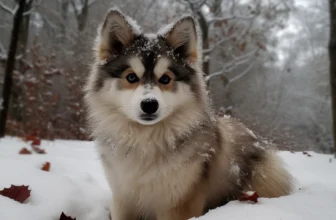
The result was a small dog that had many of the characteristics of both breeds. Pomskies typically weigh between 20-30 pounds and stand around 10-15 inches tall. They have a thick double coat that helps protect them from cold weather, but they also have a playful and friendly personality that makes them great family pets.
The Importance of Temperature Tolerance for Pomskies
As mentioned earlier, one of the factors potential owners need to consider before getting a pomsky is their temperature tolerance. This is because pomskies have different temperature requirements than other breeds due to their unique heritage.
Siberian Huskies were bred to work in extremely cold temperatures and have adapted well to living in colder environments. Pomeranians, on the other hand, were bred as companion dogs and do not have the same level of cold tolerance as huskies.
This means that while pomskies do have some natural protection against cold weather thanks to their thick double coat, they are not as cold-tolerant as huskies. This is important to keep in mind when considering whether or not a pomsky is the right breed for you.
Understanding Pomsky Coat and Temperature Tolerance
As mentioned earlier, pomskies have a thick double coat that helps protect them from cold weather. However, it’s important to understand that not all pomskies have the same type of coat, and this can affect their temperature tolerance.
There are two main types of pomsky coats: woolly and silky. Woolly-coated pomskies have a thicker, denser coat that provides more insulation against the cold. Silky-coated pomskies have a softer, fluffier coat that is less insulating.
In general, woolly-coated pomskies will be better able to tolerate colder temperatures than silky-coated pomskies. However, this is not always the case, as other factors such as age, health, and overall conditioning can also play a role in how well a pomsky tolerates cold weather.
Factors That Affect Pomsky Temperature Tolerance
There are several factors that can affect how well a pomsky tolerates cold weather. These include:
- Age: Older dogs may have a harder time regulating their body temperature than younger dogs.
- Health: Dogs with certain health conditions may be more sensitive to cold temperatures.
- Conditioning: Dogs that are used to being outdoors in colder temperatures will generally be better able to tolerate the cold than those that are kept indoors most of the time.
- Diet: A dog’s diet can affect their overall health and ability to regulate their body temperature.
It’s important to keep these factors in mind when assessing your pomsky’s overall cold tolerance. If you have concerns about your dog’s ability to tolerate cold weather, it’s always a good idea to consult with your veterinarian.
Safe Temperature Ranges for Pomskies
So, how cold can a pomsky tolerate? While there is no exact temperature threshold that applies to all pomskies, there are some general guidelines that can help you keep your furry friend safe and comfortable in colder temperatures.
In general, most healthy adult pomskies can tolerate temperatures down to around 32°F (0°C) without too much trouble. However, this will depend on several factors, including the individual dog’s coat type, age, and overall health.
It’s important to note that while some pomskies may be able to tolerate colder temperatures than others, it’s never a good idea to leave your dog outside in extreme cold weather for extended periods of time. Doing so can put them at risk of hypothermia or other cold-related health issues.
Signs That Your Pomsky is Too Cold
It’s important to keep an eye out for signs that your pomsky may be too cold. Some common signs include:
- Shivering
- Lethargy or weakness
- Dry or cracked paw pads
- Slow or shallow breathing
- Loss of appetite or dehydration
If you notice any of these symptoms in your pomsky, it’s important to take steps to warm them up and get them out of the cold as soon as possible.
Tips for Keeping Your Pomsky Warm in Cold Weather
Fortunately, there are many things you can do to help keep your pomsky warm and comfortable in colder temperatures. Here are some tips:
- Dress them in a warm sweater or coat when going outside in colder weather.
- Use booties to protect their paws from cold surfaces and prevent ice buildup between their toes.
- Limit the amount of time they spend outside in extreme cold weather, especially if they are not used to it.
- Provide them with a warm and cozy bed indoors, away from drafts or cold floors.
- Make sure they have access to fresh water at all times, as dehydration can make it harder for a dog to regulate their body temperature.
Conclusion
In conclusion, understanding the temperature tolerance of pomskies is an important factor to consider before bringing one into your home. While pomskies do have some natural protection against cold weather thanks to their thick double coat, they are not as cold-tolerant as huskies.
Factors such as age, health, conditioning, and diet can all affect how well a pomsky tolerates cold weather. It’s important to keep an eye out for signs that your dog may be too cold and take steps to keep them warm and comfortable in colder temperatures.
By following these tips and guidelines, you can help ensure that your pomsky stays safe and healthy even during the coldest winter months.