Introduction
Welcome to your comprehensive guide on raising a healthy 2-month-old Pomsky puppy! In this article, we will provide you with all the necessary information and tips to ensure the well-being and proper development of your adorable new furry friend. From nutrition and exercise to grooming and socialization, we’ve got you covered.
Table of Contents:
- Understanding the Pomsky Breed
- Preparing Your Home for a New Pomsky Puppy
- Feeding and Nutrition
- Exercise and Physical Activity
- Grooming and Hygiene
- Healthcare and Vet Visits
- Socialization and Training
- Conclusion
Understanding the Pomsky Breed
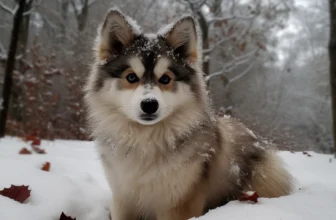
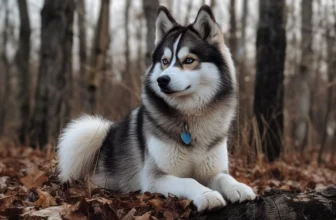
The Pomsky is an adorable canine breed that is a cross between a Siberian Husky and a Pomeranian. These designer dogs are known for their fluffy coats, stunning blue eyes, and playful personalities. However, it’s important to understand that each Pomsky puppy can inherit different traits from its parents.
As a breeder, it’s crucial to select healthy parent dogs with good temperaments to produce well-rounded puppies. By understanding the characteristics of both breeds, you can better prepare yourself for the specific needs and challenges that come with raising a Pomsky.
Size and Weight
Pomskies are considered small to medium-sized dogs. The exact size can vary depending on the individual puppy, as genetics play a significant role in determining their final adult size. On average, a fully grown Pomsky can weigh between 15 to 30 pounds.
Coat and Grooming
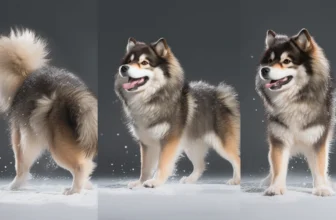
The Pomsky’s coat is typically fluffy and soft, often resembling that of a Siberian Husky. Regular grooming is essential to keep their coat clean and free from tangles or mats. Brushing your Pomsky’s fur at least twice a week helps remove loose hair and keeps their coat looking healthy.
Preparing Your Home for a New Pomsky Puppy
Before bringing your new Pomsky puppy home, it’s crucial to ensure your living space is safe and suitable for them. Here are some steps you should take:
Puppy-proofing: Remove any hazardous items or plants that could harm your curious pup. Secure electrical cords, store chemicals out of reach, and block off dangerous areas.
Create a designated space: Set up a comfortable area where your Pomsky can rest, sleep, and feel secure. Consider using a crate or providing a cozy bed with blankets.
Toys and chewables: Provide an assortment of toys designed specifically for puppies. These toys will not only keep them entertained but also help with teething.
Feeding and Nutrition
A balanced diet plays a vital role in the growth and development of your 2-month-old Pomsky puppy. Here are some important considerations when it comes to feeding:
Choose a high-quality puppy food: Opt for a premium brand of dog food that meets the nutritional requirements for puppies. Look for formulas specifically designed for small to medium-sized breeds.
Follow a feeding schedule: Establish a consistent feeding routine. At this age, your Pomsky may require around four small meals per day. Ensure you measure the portions based on their age, weight, and activity level.
Avoid overfeeding: While it may be tempting to shower your adorable Pomsky with treats, overfeeding can lead to obesity and other health issues. Stick to appropriate portion sizes and limit the number of treats given.
Exercise and Physical Activity
Pomskies are energetic and intelligent dogs that require regular exercise to stay happy and healthy. Here’s how you can provide them with the physical activity they need:
Daily walks: Take your Pomsky for short walks at least twice a day. As they grow older, gradually increase the length of the walks to meet their energy levels.
Playtime: Engage in interactive play sessions with your puppy using toys like balls or frisbees. These activities not only provide exercise but also help strengthen the bond between you and your furry friend.
Mental stimulation: Pomskies are intelligent dogs that thrive on mental challenges. Incorporate puzzle toys or treat-dispensing toys into their routine to keep their minds stimulated.
Grooming and Hygiene
Grooming is an essential aspect of raising a healthy 2-month-old Pomsky puppy. Follow these grooming tips to maintain their coat and overall hygiene:
Brushing: Regularly brush your Pomsky’s coat to prevent matting and remove loose fur. This not only keeps their coat healthy but also helps distribute natural oils, giving it a shiny appearance.
Bathing: Bathe your puppy every 4-6 weeks or as needed, using a gentle dog shampoo. Be sure to use lukewarm water and thoroughly dry them afterward to avoid skin issues.
Nail trimming: Keep an eye on your Pomsky’s nails and trim them when necessary. Overgrown nails can be uncomfortable for your pup and may cause difficulties in walking or running.
Healthcare and Vet Visits
Maintaining your Pomsky’s health involves regular veterinary check-ups and preventive care measures. Here are some important aspects of healthcare:
Vaccinations: Ensure that your puppy receives all the necessary vaccinations according to the recommended schedule by your veterinarian. Vaccinations protect against common diseases and infections.
Deworming: Puppies are often susceptible to intestinal parasites. Follow your vet’s advice on deworming medications to keep your Pomsky protected from worms.
Spaying/neutering: Discuss with your veterinarian the appropriate time for spaying or neutering your Pomsky. These procedures help prevent certain health issues and contribute to population control.
Socialization and Training
Pomskies are social dogs that require early socialization and proper training for well-rounded development. Here are some tips:
Socialize early: Introduce your puppy to a variety of people, animals, sounds, and environments from an early age. This helps them become confident and adaptable adult dogs.
Obedience training: Enroll your Pomsky in puppy obedience classes to teach them basic commands and establish good behavior. Positive reinforcement techniques work best with this breed.
Potty training: Set up a consistent potty training routine and use positive reinforcement when your puppy eliminates in the appropriate spot. Be patient, as accidents are part of the learning process.
Conclusion
Congratulations on embarking on this exciting journey of raising a healthy 2-month-old Pomsky puppy! Remember to provide proper nutrition, exercise, grooming, healthcare, socialization, and training to ensure your furry friend grows into a happy and well-adjusted adult dog. Cherish every moment with your Pomsky and enjoy the unconditional love they bring into your life!