Pomsky Allergies: Understanding and Managing Allergies in Your Pomsky
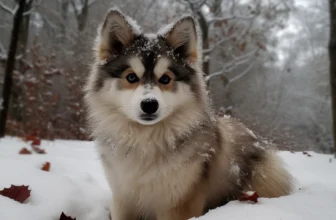
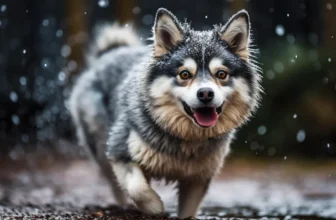
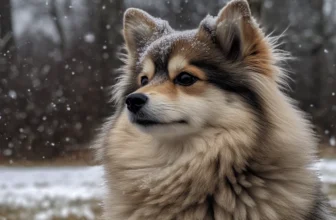
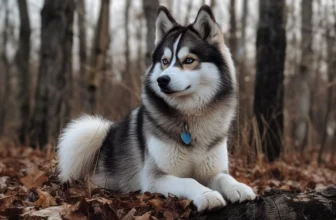
Pomskies, also known as Pomeranian Huskies, are a relatively new breed that has gained popularity in recent years. They are a cross between a Pomeranian and a Siberian Husky, resulting in a small but energetic dog with a fluffy coat. However, like all dogs, pomskies can develop allergies that can cause discomfort and even lead to serious health problems if left untreated. In this article, we will discuss the different types of allergies that pomskies can develop, how to identify them, and what you can do to manage them.
Types of Allergies in Pomskies
There are several types of allergies that pomskies can develop. These include:
- Flea Allergies: Flea allergies are one of the most common types of allergies in dogs. When a flea bites your pomsky, its saliva can cause an allergic reaction that results in itchiness, redness, and hair loss.
- Food Allergies: Pomskies can develop food allergies to certain ingredients in their diet. Symptoms may include vomiting, diarrhea, itching, and skin rashes.
- Environmental Allergies: Environmental allergies are caused by allergens such as pollen, dust mites, and mold spores. Symptoms may include sneezing, coughing, itching, and watery eyes.
- Contact Allergies: Contact allergies occur when your pomsky comes into contact with an allergen such as chemicals or fabrics. Symptoms may include redness, rash, and itching.
Symptoms of Allergies in Pomskies
The symptoms of allergies in pomskies can vary depending on the type of allergy. Some common symptoms include:
- Itching: One of the most common symptoms of allergies in pomskies is itching. Your dog may scratch, lick, or bite at their skin excessively.
- Redness and Swelling: Allergies can cause redness and swelling on your pomsky’s skin, particularly in areas such as the face, ears, paws, and belly.
- Hair Loss: Allergies can cause hair loss in areas where your pomsky has been scratching or biting at their skin.
- Sneezing and Coughing: If your pomsky has environmental allergies, they may sneeze or cough frequently.
- Vomiting and Diarrhea: Food allergies can cause vomiting and diarrhea in your pomsky.
Diagnosis of Allergies in Pomskies
If you suspect that your pomsky has allergies, it is important to take them to the vet for a proper diagnosis. Your vet will perform a physical exam and may recommend further testing such as blood work or skin allergy testing.
Skin allergy testing involves injecting small amounts of different allergens under your pomsky’s skin and observing their reaction. This can help determine which allergens are causing your dog’s symptoms so that you can take steps to avoid them.
Treatment and Management of Allergies in Pomskies
Once your pomsky has been diagnosed with allergies, there are several treatment options available to manage their symptoms.
- Allergy Medications: Your vet may prescribe allergy medications such as antihistamines, corticosteroids, or immunotherapy to help manage your pomsky’s symptoms.
- Dietary Changes: If your pomsky has food allergies, you will need to switch them to a hypoallergenic diet that does not contain the allergen.
- Flea Prevention: To prevent flea allergies in your pomsky, it is important to use flea prevention products such as topical treatments or oral medications.
- Avoiding Allergens: If your pomsky has environmental or contact allergies, you can help manage their symptoms by avoiding the allergens that trigger their reactions. For example, you may need to keep your home free of dust and mold, or avoid using certain cleaning products or fabrics.
Preventing Allergies in Pomskies
While some allergies are genetic and cannot be prevented, there are steps you can take to reduce your pomsky’s risk of developing allergies.
- Regular Grooming: Regular grooming can help prevent skin irritation and infections that can lead to allergies. Make sure to brush your pomsky’s coat regularly to remove loose hair and debris.
- Clean Living Environment: Keeping your home clean and free of dust, mold, and other allergens can help prevent environmental allergies in your pomsky.
- Hypoallergenic Dog Food: Feeding your pomsky a high-quality hypoallergenic dog food can help prevent food allergies.
- Flea Prevention: Using flea prevention products can help prevent flea allergies in your pomsky.
Conclusion
Allergies can be a frustrating and uncomfortable problem for both you and your pomsky. However, with proper diagnosis and management, you can help alleviate their symptoms and improve their quality of life. If you suspect that your pomsky has allergies, it is important to take them to the vet for a proper diagnosis and treatment plan. By following the tips outlined in this article, you can help prevent allergies from developing in your pomsky and keep them healthy and happy for years to come.