Common Health Issues to Watch For in Pomskies
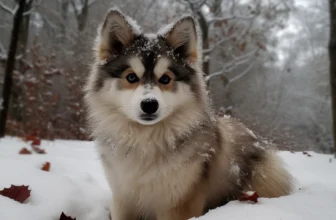
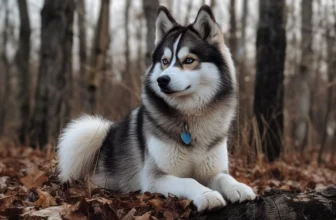
Pomskies are a relatively new breed of dog that has become increasingly popular over the years. These adorable little dogs are a cross between a Siberian Husky and a Pomeranian, and they bring together the best traits of both breeds. However, like all breeds of dog, pomskies can be prone to certain health issues. In this article, we will take a look at some common health issues that you should watch for if you own a pomsky.
1. Hip Dysplasia
Hip dysplasia is a genetic condition that affects many breeds of dog, including pomskies. It occurs when the hip joint doesn’t develop properly, causing the bones to rub against each other and eventually leading to arthritis. Symptoms of hip dysplasia include lameness, stiffness, and difficulty getting up from a lying down position. If left untreated, hip dysplasia can lead to chronic pain and mobility issues.
Prevention: To prevent hip dysplasia in your pomsky, make sure you get them from a reputable breeder who tests their breeding dogs for the condition. You should also provide your pomsky with a healthy diet and regular exercise to keep their weight under control.
Treatment: Treatment for hip dysplasia may include medications to manage pain and inflammation, physical therapy to improve mobility, and surgery in severe cases.
2. Eye Problems
Pomskies are prone to several eye problems, including cataracts, progressive retinal atrophy (PRA), and dry eye syndrome. Cataracts occur when the lens of the eye becomes cloudy, while PRA is a degenerative disease that causes progressive vision loss. Dry eye syndrome occurs when the tear glands don’t produce enough tears to keep the eye moist.
Prevention: To prevent eye problems in your pomsky, make sure you get them from a breeder who screens their breeding dogs for eye issues. You should also keep your pomsky’s eyes clean and free of debris.
Treatment: Treatment for eye problems may include medication, surgery, or both.
3. Hypothyroidism
Hypothyroidism is a condition that occurs when the thyroid gland doesn’t produce enough thyroid hormone. It can cause symptoms such as weight gain, lethargy, hair loss, and skin problems.
Prevention: There is no known way to prevent hypothyroidism in pomskies.
Treatment: Treatment for hypothyroidism involves daily medication to replace the missing thyroid hormone.
4. Allergies
Pomskies are prone to allergies, which can cause symptoms such as itching, scratching, and skin irritation. Allergies can be caused by a variety of factors, including food, pollen, dust mites, and fleas.
Prevention: To prevent allergies in your pomsky, make sure you feed them a high-quality diet and keep their environment clean and free of allergens.
Treatment: Treatment for allergies may include medication to manage symptoms and avoidance of the allergen if possible.
5. Dental Problems
Pomskies are prone to dental problems such as gum disease, tooth decay, and tooth loss. These issues can be caused by poor dental hygiene or genetics.
Prevention: To prevent dental problems in your pomsky, make sure you provide them with regular dental care such as brushing their teeth and providing them with dental chews or toys.
Treatment: Treatment for dental problems may include cleaning and scaling of the teeth, extractions, or other dental procedures.
6. Obesity
Obesity is a common health issue in pomskies and can lead to a variety of health problems such as diabetes, heart disease, and joint problems.
Prevention: To prevent obesity in your pomsky, make sure you provide them with regular exercise and a healthy diet.
Treatment: Treatment for obesity involves weight loss through diet and exercise.
7. Heart Problems
Pomskies are prone to several heart problems such as mitral valve disease, dilated cardiomyopathy, and congenital heart defects. These issues can cause symptoms such as coughing, fatigue, and difficulty breathing.
Prevention: To prevent heart problems in your pomsky, make sure you get them from a breeder who screens their breeding dogs for heart issues. You should also provide your pomsky with regular exercise and a healthy diet.
Treatment: Treatment for heart problems may include medication to manage symptoms or surgery in severe cases.
Conclusion
While pomskies are generally healthy dogs, they can be prone to certain health issues like any breed of dog. By understanding these common health issues and taking steps to prevent them or catch them early on, you can help ensure that your pomsky stays healthy and happy for years to come. If you suspect that your pomsky is experiencing any of the above-mentioned health issues, it’s important to take them to the vet for a proper diagnosis and treatment plan.