Hilltop Pomskies: The Ultimate Guide to Raising Pomsky Puppies
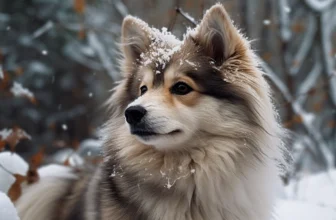
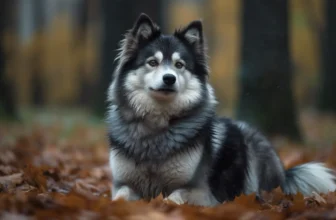
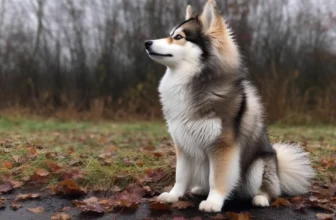
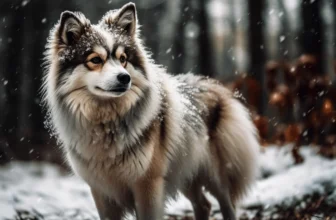
If you’re considering adding a new furry friend to your family, then a pomsky puppy may be just what you need. These adorable dogs are a mix between a Siberian Husky and a Pomeranian, making for a unique and lovable companion. However, raising a pomsky puppy requires some knowledge and preparation. In this guide, we’ll cover everything you need to know about raising pomsky puppies, from choosing the right breeder to training your new pup.
Choosing the Right Breeder
The first step in raising a healthy and happy pomsky is finding the right breeder. Unfortunately, not all breeders are created equal, and it’s important to do your research before committing to one. Here are some tips for choosing the right breeder:
- Look for breeders who specialize in pomskies. While many breeders may offer pomskies, those who specialize in the breed will have more experience and knowledge.
- Ask for references or testimonials from previous customers. A reputable breeder should be able to provide you with satisfied customer reviews.
- Visit the breeder’s facility if possible. This will give you an idea of how the puppies are raised and cared for.
- Avoid breeders who don’t allow visits or seem hesitant to answer questions. A good breeder should be open and willing to discuss their breeding practices.
- Check for any red flags such as overcrowding, unsanitary conditions, or sickly looking puppies.
At Hilltop Pomskies, we pride ourselves on being a responsible and ethical breeder of pomskies. We prioritize the health and well-being of our puppies, and are happy to answer any questions you may have.
Caring for your Pomsky Puppy
Once you’ve found the perfect pomsky puppy, it’s important to provide them with proper care to ensure their health and happiness. Here are some tips for caring for your new pup:
- Feed your puppy a high-quality dog food that is appropriate for their age and size. Consult with your veterinarian for specific recommendations.
- Provide plenty of fresh water at all times.
- Schedule regular veterinary check-ups and vaccinations. This will help prevent illnesses and catch any potential health issues early.
- Exercise your pomsky daily, but don’t overdo it. Pomskies have lots of energy, but can tire easily due to their small size.
- Train your puppy using positive reinforcement techniques. Pomskies are intelligent dogs, and respond well to training when treated kindly.
- Groom your pomsky regularly, including brushing their coat and trimming their nails.
Pomsky Training Tips
Training your pomsky puppy is an essential part of raising a well-behaved companion. Here are some tips for successful training:
- Start training early. Puppies are most receptive to learning between 8 and 16 weeks old.
- Use positive reinforcement techniques such as treats or praise to reward good behavior.
- Be consistent with training commands and expectations.
- Keep training sessions short and fun to avoid overwhelming your pup.
- Socialize your pomsky with other dogs and people from a young age to prevent shyness or aggression later in life.
Pomsky Health Concerns
As with any breed of dog, pomskies are prone to certain health issues. Here are some common health concerns to look out for:
- Patellar Luxation: This is a condition where the kneecap dislocates from its normal position, causing pain and difficulty walking.
- Hip Dysplasia: A genetic condition where the hip joint doesn’t develop properly, leading to arthritis and mobility issues.
- Dental Problems: Pomskies can be prone to dental issues such as tooth decay or gum disease if their teeth aren’t properly cared for.
- Eye Problems: Some pomskies may develop eye problems such as cataracts or progressive retinal atrophy.
To prevent these health concerns, it’s important to provide your pomsky with proper nutrition, exercise, and veterinary care.
Pomsky FAQs
Here are some frequently asked questions about pomsky puppies:
What is the average size of a pomsky?
Pomskies can vary in size depending on the ratio of husky to Pomeranian genes. However, most pomskies weigh between 20-30 pounds and stand around 10-15 inches tall.
Do pomskies shed?
Yes, pomskies do shed. However, their shedding is minimal compared to other breeds of dogs.
Are pomskies good with children?
Yes, pomskies make great family pets and are good with children when socialized from a young age.
How much exercise does a pomsky need?
Pomskies have lots of energy and require daily exercise. However, they shouldn’t be over-exercised due to their small size.
In Conclusion
Raising a pomsky puppy can be a rewarding and enjoyable experience with the right preparation and care. By choosing the right breeder, providing proper nutrition and veterinary care, training your pup, and being aware of potential health concerns, you can enjoy many happy years with your furry friend. At Hilltop Pomskies, we are committed to producing healthy and well-socialized pomskies for loving families. Contact us today to learn more about our available puppies!