Introduction
Pomskies are a relatively new breed that has been gaining popularity in recent years. This adorable crossbreed is a mix between a Pomeranian and a Siberian Husky, resulting in a small to medium-sized dog with fluffy fur, bright eyes, and a playful personality. As a professional breeder for Pomskies, I have seen firsthand how much joy these dogs can bring to families looking for a loyal companion.
In this article, we will cover everything you need to know about the chiot Pomsky, from their appearance and temperament to their health and care requirements. Whether you’re considering getting a Pomsky or just want to learn more about this fascinating breed, read on to discover all there is to know about these adorable dogs.
Appearance
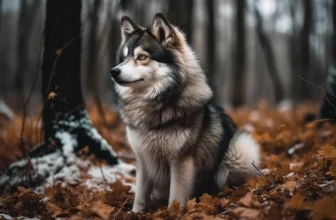
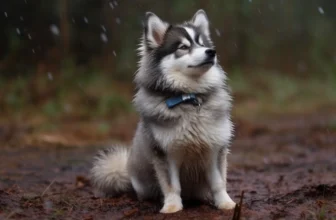
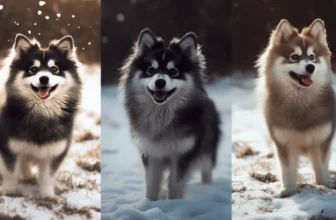
One of the most distinctive features of the chiot Pomsky is their fluffy coat. Depending on the individual dog’s genetics, their fur can be long or short, straight or curly, and come in a variety of colors such as black, white, gray, brown, and red. Typically, Pomskies have a double-layered coat that requires regular grooming to prevent matting and shedding.
In terms of size, Pomskies are usually small to medium-sized dogs that weigh between 10-30 pounds and stand at around 10-15 inches tall at the shoulder. However, it’s worth noting that due to the mixed nature of their breeding, there can be some variation in size within the breed.
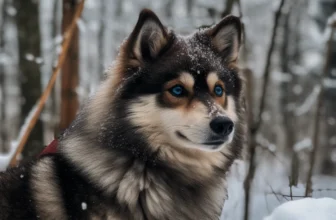
As for facial features, Pomskies often inherit their Husky parent’s bright blue eyes and pointy ears but may also have rounder ears like their Pomeranian parent. They have a compact body shape with short legs and a tail that curls up over their back.
Temperament
When it comes to temperament, chiot Pomskies are known for being lively, affectionate, and playful dogs. They have a lot of energy and love to play with their owners or other dogs. This breed is also highly intelligent and trainable, making them ideal for families who enjoy teaching their pets new tricks.
Pomskies are generally friendly towards strangers and get along well with children and other pets. However, it’s worth noting that early socialization is crucial to ensure that they develop good manners and appropriate behavior around others.
Like all dogs, Pomskies can become anxious or destructive if left alone for long periods without stimulation. Therefore, they do best in homes where someone is around most of the time or with other pets to keep them company.
Health
As with any breed, chiot Pomskies can be prone to certain health issues that potential owners should be aware of. One common issue is hip dysplasia, which occurs when the hip joint does not develop properly and can lead to arthritis and lameness.
Other health concerns that may affect Pomskies include eye problems such as cataracts, allergies, dental issues, and skin irritations. It’s essential to keep up with regular vet check-ups and follow a proper diet and exercise regimen to keep your pet healthy.
It’s also worth noting that due to the mixed nature of their breeding, some Pomskies may inherit health issues from both Pomeranians and Huskies. As a professional breeder, I always make sure to screen my breeding dogs for any potential health problems before mating them to reduce the risk of passing on genetic disorders to their offspring.
Care Requirements
When it comes to caring for your chiot Pomsky, there are several key factors to consider. Firstly, as mentioned earlier, regular grooming is essential to keep their coat looking healthy and prevent matting or shedding. You should brush your Pomsky at least once a week and bathe them every 2-3 months.
Secondly, exercise is crucial for Pomskies to maintain good physical and mental health. They require daily walks or playtime in a fenced yard to burn off energy and stay stimulated. You can also take your Pomsky on hikes or runs if they have the stamina for it.
Thirdly, training and socialization are essential for Pomskies to develop good behavior and manners around others. Start training your pup as early as possible using positive reinforcement techniques, such as treats or praise, to encourage good behavior.
Lastly, make sure to provide your chiot Pomsky with a balanced diet that meets their nutritional needs. Consult with your vet about what type of food would be best for your pet based on their age, weight, and activity level.
Conclusion
In conclusion, chiot Pomskies are an adorable crossbreed that has captured the hearts of many dog lovers worldwide. They are highly intelligent, playful, and affectionate dogs that make excellent family pets. However, potential owners should be aware of their care requirements and potential health issues before bringing one home.
As a professional breeder for Pomskies, I always strive to breed healthy and happy puppies that will bring joy to their new families. If you’re considering getting a chiot Pomsky, make sure to do your research and choose a reputable breeder who prioritizes the welfare of their dogs above all else. With proper care and love, your Pomsky will undoubtedly become a beloved member of your household for years to come.