Rare Pomsky Colors: Everything You Need to Know About These Unique Hybrid Dogs
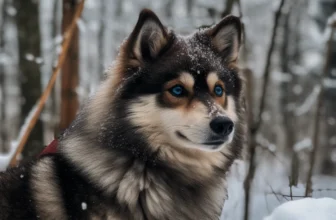
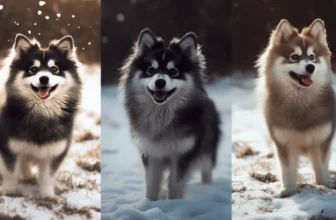
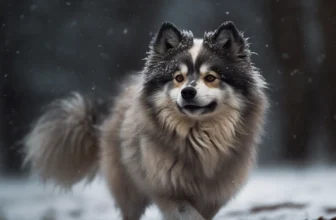
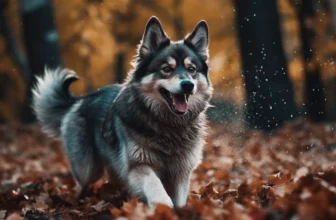
Pomskies are a relatively new breed that has gained popularity over the past few years. They are a cross between a Pomeranian and a Siberian Husky, resulting in a small to medium-sized dog with adorable looks. While most Pomskies come in the traditional black and white, gray and white, or red and white colors, there are also rare Pomsky colors that are much harder to find.
What Makes Rare Pomsky Colors?
The color of a Pomsky depends on its parents’ genes, just like any other dog breed. Since Pomeranians come in various colors such as black, brown, orange, cream, and white, while Siberian Huskies have many different shades of gray and red, the possibilities for Pomsky colors are vast. However, some coat colors are more common than others.
For instance, the most popular Pomsky color is black and white because it resembles the look of their Siberian Husky parent. Gray and white coats are also common because both Pomeranians and Siberian Huskies carry the gene for gray fur. Red and white colors come from the Pomeranian’s genes since this breed commonly has a reddish-brown coat.
However, rare Pomsky colors occur when both parents carry specific recessive genes that sometimes skip generations. Some of these unique coat colors include:
- Chocolate: This is a dark brown coat color that is uncommon among Pomskies. It comes from both parents carrying the chocolate gene.
- Mahogany Sable: This is a rich brown coat with black tips that give it an almost red appearance. It comes from both parents carrying the sable gene.
- Merle: This is a coat color with a marbled or swirled pattern of two or more colors, such as blue and white or red and white. It comes from both parents carrying the merle gene.
- Lilac: This is a pale grayish-purple coat that is rare among Pomskies. It comes from both parents carrying the dilute gene.
- Cream: This is a light-colored coat that resembles an off-white or pale yellow. It comes from both parents carrying the cream gene.
- Parti: This is a coat color with large patches of two or more colors, such as black and white or brown and white. It comes from one parent being solid-colored and the other having patches of color.
How Rare Pomsky Colors Are Bred?
To produce rare Pomsky colors, breeders must carefully select their breeding pairs to ensure that both parents carry the recessive genes for the desired color. Since these genes can skip generations, it may take several rounds of breeding before the desired coat color appears in a litter.
Breeders also need to be aware of potential health issues associated with certain coat colors. For instance, Merle coloring can lead to hearing and vision problems if two Merle dogs are bred together. Therefore, responsible breeders will always prioritize their dog’s health over producing rare coat colors.
What Makes Rare Pomsky Colors Unique?
Rare Pomsky colors are unique because they stand out from traditional coat colors that are commonly seen in this breed. They offer something new and exciting for potential owners who want a Pomsky that is different from others. Additionally, rare coat colors can also increase a Pomsky’s value since they are more challenging to breed.
However, it’s essential to remember that a Pomsky’s color should never be the sole factor in choosing a new pet. Potential owners should prioritize finding a healthy and well-bred puppy that will fit into their lifestyle.
What To Consider When Adopting A Rare Pomsky?
If you’re considering adopting a rare Pomsky, there are several things to keep in mind:
- Research breeders carefully: Since producing rare coat colors requires careful breeding, make sure you choose a reputable breeder with experience working with these colors. Ask for references and check online reviews before committing to adoption.
- Understand potential health issues: Certain rare coat colors can be associated with health problems, so do your research ahead of time. Ask the breeder about any genetic testing they’ve done on the parents, or consider getting your new pup tested yourself.
- Prepare for grooming needs: Pomskies have thick fur that requires regular grooming to keep it healthy and tangle-free. Some coat colors may need more maintenance than others, so ask your breeder for advice on how to best care for your new pup’s coat.
- Consider temperament: Pomskies are known for being energetic and playful dogs, but each dog is unique. Spend time with the litter before making your decision to ensure you find a pup with a personality that matches your family’s lifestyle.
- Budget accordingly: Rare Pomskies may come at a higher cost due to their unique coat colors and the breeding required to achieve them. Make sure you budget accordingly for adoption fees, veterinary care, and ongoing grooming needs.
Conclusion
Rare Pomsky colors offer something new and exciting for potential owners who want a pup that stands out from the crowd. Whether you’re drawn to chocolate, lilac, or parti-colored coats, make sure you do your research and adopt from a reputable breeder to ensure a healthy pup. Remember, while a rare coat color can be an attractive feature, it should never be the sole factor in choosing a new pet.