Introduction
Welcome to the ultimate guide on Pomskies! Whether you are considering getting a Pomsky as a pet or already own one, this comprehensive guide will equip you with all the essential information you need to know about this adorable and popular designer breed.
Chapter 1: What are Pomskies?
Pomskies are a crossbreed between a Siberian Husky and a Pomeranian. They are known for their small size, fluffy coat, and striking resemblance to wolves. In this chapter, we will dive into the origin of Pomskies, their appearance, and personality traits.
1.1 Origin of Pomskies
Pomskies originated in the United States in the early 2000s as a result of crossbreeding between Siberian Huskies and Pomeranians. This deliberate crossbreeding aimed to create a miniaturized version of the Husky, combining its majestic looks with the compactness of the Pomeranian.
1.2 Appearance of Pomskies
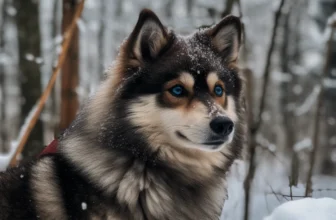
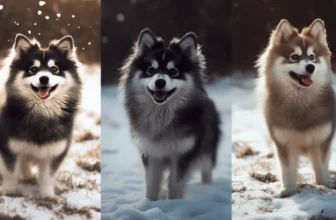
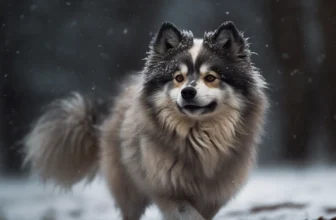
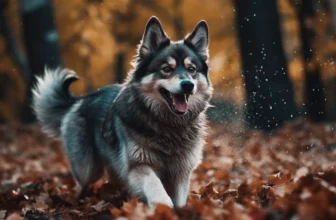
Pomskies come in various sizes, depending on the percentage of Pomeranian and Husky genes they inherit. On average, they range from 10 to 25 pounds in weight and stand around 10 to 15 inches tall. Their coats can be a combination of colors, including black, white, gray, tan, or a mix of these.
1.3 Personality Traits
Pomskies are known for their friendly and playful nature. They inherit the intelligence and loyalty of both parent breeds, making them quick learners and devoted companions. However, they can also exhibit traits from either breed, so it’s essential to understand the needs and characteristics of both Huskies and Pomeranians.
Chapter 2: Caring for Pomskies
In this chapter, we will explore everything you need to know about caring for your Pomsky. From diet and exercise to grooming and training, we’ve got you covered!
2.1 Diet and Nutrition
A well-balanced diet is vital for the overall health and longevity of your Pomsky. Consult with your veterinarian to determine the appropriate type and amount of food based on their age, size, and activity level. Remember to provide fresh water at all times.
2.2 Exercise Needs
Pomskies have moderate exercise requirements due to their energetic nature. Daily walks or play sessions in a securely fenced area are recommended to keep them mentally stimulated and physically fit.
2.3 Grooming Requirements
Pomskies have a thick double coat that requires regular grooming to prevent matting and maintain its fluffy appearance. Brush their coat at least twice a week and bathe them when necessary. Don’t forget to trim their nails regularly and clean their ears to avoid infections.
2.4 Training and Socialization
Proper training and socialization are crucial for Pomskies to become well-behaved members of your family. Start training early using positive reinforcement techniques, and expose them to various environments, people, and other animals to ensure they grow up to be confident and friendly.
Chapter 3: Health Concerns
Pomskies, like any other breed, may be prone to certain health issues. In this chapter, we will discuss common health concerns associated with Pomskies and how to keep them healthy.
3.1 Genetic Health Issues
Pomskies can inherit health conditions from their parent breeds, such as hip dysplasia, eye diseases, dental problems, and allergies. Regular veterinary check-ups, a balanced diet, exercise, and maintaining proper hygiene can help minimize the risk of these issues.
3.2 Vaccinations and Preventive Care
Keeping your Pomsky up-to-date on vaccinations and preventive care is essential in preventing diseases. Consult with your veterinarian to establish a vaccination schedule and discuss preventative measures such as flea/tick control and heartworm prevention.
Chapter 4: Finding a Pomsky
If you’re considering adding a Pomsky to your family, this chapter will guide you through the process of finding a reputable breeder or adopting from a rescue organization.
4.1 Choosing a Reputable Breeder
A reputable breeder plays a significant role in ensuring the health and quality of your Pomsky. Research local breeders, visit their facilities, ask for references, and inquire about health guarantees and certifications before making a decision.
4.2 Adoption and Rescue Organizations
Adopting a Pomsky from a rescue organization or shelter can be a gratifying experience. These organizations often have Pomskies in need of loving homes. Research local rescues, fill out adoption applications, and be prepared for the adoption process.
Chapter 5: Life with a Pomsky
In this final chapter, we will explore what it’s like to live with a Pomsky and provide some tips for ensuring a happy and fulfilling life together.
5.1 Creating a Safe Environment
Pomskies are inquisitive animals, so it’s important to create a safe environment free from potential hazards. Secure fences, remove toxic plants, and keep small objects that could be swallowed out of their reach.
5.2 Bonding and Playtime
Pomskies thrive on human companionship and love to play. Dedicate time each day for bonding activities such as walks, interactive toys, and training sessions. This will strengthen your bond and prevent boredom-related behaviors.
5.3 Patience and Understanding
As with any dog breed, patience and understanding are key when living with a Pomsky. They may exhibit stubbornness or become vocal if they feel neglected or anxious. Provide consistent training, positive reinforcement, and lots of love to ensure a well-adjusted companion.
Conclusion
Congratulations! You’ve reached the end of the ultimate guide to Pomskies. Armed with the knowledge you’ve gained from this guide, you are now well-prepared to embark on your journey with a Pomsky or enhance your existing relationship with your furry friend. Enjoy the companionship and joy that these adorable crossbreeds bring into our lives!