Introduction
Pomskies are an increasingly popular designer breed that is a cross between a Pomeranian and a Siberian Husky. These dogs are known for their playful personalities, intelligence, and fluffy, adorable appearance. While many Pomskies have short hair, there is also a growing demand for long-haired Pomskies. In this article, we’ll explore everything you need to know about this fluffy designer breed.
History of the Pomsky Breed
The Pomsky breed is relatively new, having only been around since the early 2000s. The first intentional breeding of a Pomeranian and a Siberian Husky was done in 2009 by a breeder named Tressa Peterson. She wanted to create a dog that had the intelligence and playfulness of a Pomeranian with the strength and endurance of a Siberian Husky.
Since then, the popularity of Pomskies has exploded as more people discover these amazing dogs. While still not officially recognized as a breed by major kennel clubs like the AKC, Pomskies have gained recognition from various hybrid dog registries.
Appearance of Long Haired Pomskies
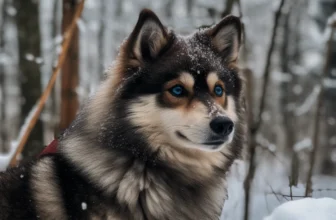
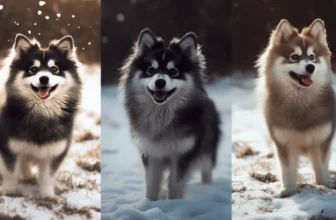
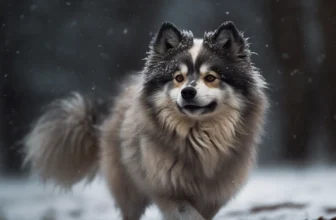
Long haired Pomskies can be quite striking in appearance. They have thick, fluffy coats that can come in a variety of colors and patterns. Some common coat colors include black, white, brown, cream, and gray.
One of the most notable features of long-haired Pomskies is their double coat. This means they have two layers of fur: a soft undercoat and a longer outer coat. This helps them stay warm in colder weather but can also make them prone to shedding if not properly groomed.
Long-haired Pomskies typically weigh between 20-30 pounds and stand about 10-15 inches tall at the shoulder. Their ears are pointed and stand up straight, and their eyes are usually a bright blue or brown.
Temperament of Long Haired Pomskies
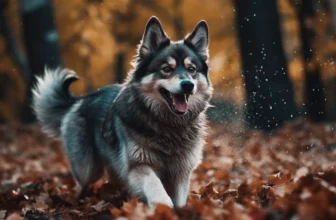
Long-haired Pomskies are known for their playful, affectionate personalities. They love to be around people and thrive on attention and affection. These dogs are also highly intelligent and trainable, which makes them great pets for families.
One thing to keep in mind is that because Pomskies are a hybrid breed, their temperament can vary depending on the individual dog’s genetics. Some Pomskies may take after their Husky parent more, while others may have more Pomeranian traits.
Caring for Long Haired Pomskies
Caring for long-haired Pomskies requires some extra effort compared to short-haired breeds. Here are some tips for keeping your long-haired Pomsky healthy and happy:
- Grooming: Regular grooming is essential for keeping your long-haired Pomsky’s coat healthy and free of tangles. You’ll need to brush your dog’s fur at least once a week, if not more often. This will help prevent mats from forming and distribute natural oils throughout the coat.
- Bathing: You don’t need to bathe your Pomsky too often, as this can strip their coat of natural oils. However, when you do give your dog a bath, make sure to use a gentle shampoo formulated for dogs.
- Nail Care: It’s important to keep your dog’s nails trimmed regularly. Overgrown nails can cause discomfort and even lead to injury.
- Dental Care: Like all dogs, Pomskies need regular dental care to prevent tooth decay and gum disease. Brushing your dog’s teeth daily is ideal, but even doing it a few times a week can make a big difference.
- Exercise: Pomskies are active dogs and need plenty of exercise to stay healthy. Daily walks or trips to the dog park are essential for keeping your dog happy and well-exercised.
Health Issues in Long Haired Pomskies
Like all breeds, long-haired Pomskies can be prone to certain health issues. Here are some of the most common health problems seen in this breed:
- Hip Dysplasia: This is a genetic condition that affects the hip joint, causing pain and discomfort in affected dogs. It’s important to buy from reputable breeders who test their dogs for hip dysplasia to reduce the risk of your dog developing this condition.
- Eye Problems: Pomeranians are prone to eye problems like cataracts, which can be passed on to their offspring. Regular eye exams can help catch any issues early on.
- Allergies: Some Pomskies may develop allergies to certain foods or environmental factors. If you notice your dog itching, scratching, or experiencing other allergy symptoms, talk to your vet about possible solutions.
- Dental Problems: As mentioned earlier, dental problems are common in all breeds and Pomskies are no exception. Regular dental care can help prevent tooth decay and gum disease.
Choosing a Long Haired Pomsky Breeder
If you’re interested in adding a long-haired Pomsky to your family, it’s important to choose a reputable breeder. Here are some things to look for when choosing a breeder:
- Experience: Look for a breeder who has experience breeding Pomskies specifically, and who can provide references from past customers.
- Health Testing: A good breeder will test their dogs for common health issues like hip dysplasia and eye problems. Make sure to ask about these tests before buying a puppy.
- Socialization: Puppies that are raised in a loving, social environment are more likely to grow up to be well-adjusted, friendly dogs. Make sure the breeder you choose socializes their puppies from an early age.
- Transparent: A good breeder will be transparent about their breeding practices and will answer any questions you have honestly and openly.
Conclusion
Long-haired Pomskies are a beautiful, playful breed that make great pets for families. While they require some extra grooming compared to short-haired breeds, their adorable appearance and affectionate personalities make them well worth the effort. If you’re considering adding a long-haired Pomsky to your family, make sure to do your research and choose a reputable breeder that prioritizes the health and well-being of their dogs.