Capital Pomsky: The Ultimate Guide to Owning a Pomsky
Introduction
Pomskies have taken the world by storm in recent years. This designer dog breed is a cross between a Pomeranian and a Siberian Husky, resulting in an adorable and unique companion pet. However, owning a pomsky requires more than just love for their cute appearance. As a professional breeder for pomskies, I have put together this ultimate guide to help you understand what it takes to own a pomsky.
Chapter 1: Understanding Pomskies
Pomskies are a relatively new breed, with the first recorded breeding taking place in 2009. They were created by crossing a Pomeranian with a Siberian Husky to produce puppies with desirable traits from both breeds.
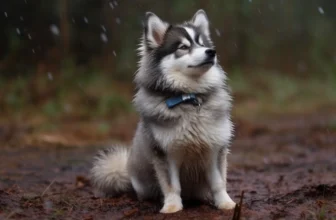
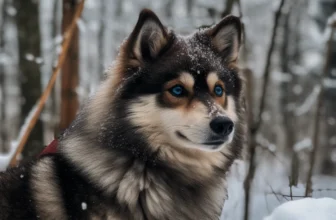
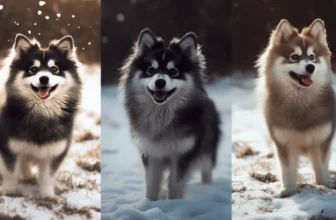
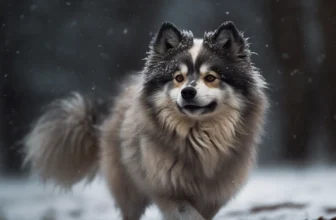
Pomskies come in different sizes depending on their parents’ size. They usually weigh between 20-30 pounds and stand at around 10-15 inches tall. Their coat can be thick and fluffy like the husky or short and dense like the Pomeranian. They also come in various colors, including black, white, brown, and grey.
Pomskies are known for their intelligence, playfulness, and affectionate nature towards their owners. They are energetic dogs that require regular exercise to keep them healthy and happy. Due to their loyal nature, they tend to be protective of their owners but can also be friendly towards strangers if socialized well from an early age.
Chapter 2: Choosing the Right Pomsky
It’s essential to research potential breeders before purchasing your pomsky. Look for breeders with a good reputation and experience in breeding pomskies. Ask for references from previous customers and visit the breeder’s facility to see how they treat their dogs.
When you find a breeder, ask them questions about their breeding practices, health history of the parents, and details about the puppy’s upbringing. A good breeder will be happy to answer all your questions and provide any necessary information.
The size and energy level of pomskies make them better suited for owners who have space for regular exercise and playtime. Consider your lifestyle and make sure you can meet the needs of your pomsky before bringing one home.
Chapter 3: Caring for Your Pomsky
Pomskies require a balanced diet that provides enough energy to fuel their activity levels. Feed your pomsky high-quality dog food that meets their nutritional needs, including protein, fat, and carbohydrates.
Regular exercise is essential for keeping your pomsky healthy and happy. Take them on daily walks or runs to burn off excess energy and prevent boredom behavior such as destructive chewing.
Pomskies shed moderately, so regular grooming is necessary to keep their coat healthy and tidy. Brush their coat regularly to remove loose hair and prevent matting. Baths are only necessary when they get dirty or smelly.
Chapter 4: Training Your Pomsky
Socializing your pomsky from an early age helps them become friendly towards strangers and other animals. Introduce them to different environments, people, and animals to teach them how to behave appropriately.
Teach your pomsky basic commands such as sit, stay, come, and heel using positive reinforcement techniques. Consistency and patience are key to successful training.
Potty training can be challenging, but consistency is essential. Establish a regular routine for taking your pomsky outside and reward them when they go potty outside.
Chapter 5: Health Concerns
Pomskies may inherit health issues from their parents’ breeds, such as hip dysplasia, eye problems, and allergies. It’s essential to choose a reputable breeder who tests their dogs for genetic health issues before breeding them.
Regular vaccinations protect your pomsky from infectious diseases such as rabies, distemper, and parvovirus. Consult with your veterinarian about the appropriate vaccination schedule for your pomsky.
Regular check-ups with your veterinarian help detect any health issues early on and ensure that your pomsky is healthy overall.
Conclusion
Owning a pomsky can be a rewarding experience if you’re prepared to meet their needs. Understanding their history, physical characteristics, temperament, and care requirements is crucial in providing them with the best possible life. With proper training, care, and love, your pomsky will be an excellent companion pet for many years to come.