Introduction
Pomskies are a relatively new and popular designer dog breed that are a cross between a Pomeranian and a Siberian Husky. These adorable creatures have captured the hearts of many dog lovers with their small size, fluffy coat, and playful nature. In this ultimate guide, we will delve into all aspects of the Pomsky breed, including their appearance, temperament, health concerns, training needs, and more.
Chapter 1: The Origins of Pomskies
The Pomsky breed originated in the early 2000s when breeders sought to create a smaller version of the Siberian Husky. By crossing the Pomeranian with the Husky, they were able to achieve a unique blend of traits from both parent breeds. It’s important to note that Pomskies are not recognized as an official breed by major kennel clubs yet, but they are gaining popularity due to their adorable looks and friendly personalities.
1.1 The Pomeranian
The Pomeranian is a small dog breed that hails from the region of Pomerania in Germany and Poland. They were originally larger sled-pulling dogs but were bred down in size over time. Pomeranians are known for their fluffy double coats, fox-like faces, and lively personalities. Despite their small size, they have big personalities and make excellent companion dogs.
1.2 The Siberian Husky
Siberian Huskies are medium-sized working dogs that originated in northeastern Siberia. They were bred by the Chukchi people as sled dogs and have a strong work ethic, endurance, and excellent cold weather tolerance. Huskies are known for their striking blue or multi-colored eyes and thick double coats that protect them from harsh Arctic conditions.
Chapter 2: Appearance and Size
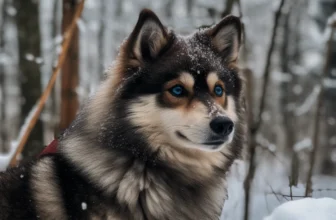
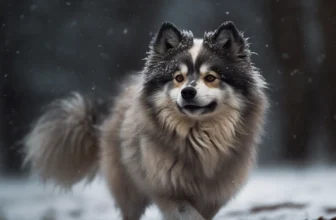
Pomskies inherit physical traits from both parent breeds, resulting in a wide range of appearances. Their size can vary depending on the ratio of Pomeranian to Husky genes. On average, Pomskies weigh between 10 to 30 pounds and stand around 10 to 15 inches tall at the shoulder. However, it’s important to remember that each individual Pomsky can have unique characteristics inherited from its parents.
2.1 Coat Colors and Patterns
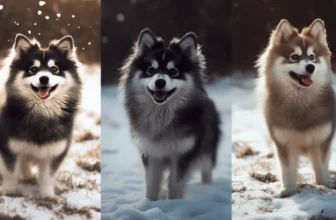
Pomskies can come in a variety of coat colors and patterns. Some common colors include black, white, gray, brown, red, and cream. They can also exhibit different patterns such as solid, merle, parti-color, or even piebald. The combination of these various colors and patterns makes each Pomsky truly unique and visually appealing.
2.2 Facial Features
Pomskies often inherit the fox-like face from their Pomeranian parent but with Husky-like features such as almond-shaped eyes and erect ears. Their expressive eyes can be blue like the Husky or brown like the Pomeranian, or even a mix of both. Their muzzles are usually short and compact compared to the longer snouts of Siberian Huskies.
Chapter 3: Temperament and Behavior
Pomskies are known for their friendly and affectionate nature. They are social dogs that enjoy spending time with their families and get along well with children and other pets when properly socialized. However, it’s important to note that their temperament can vary depending on the individual Pomsky and the traits inherited from each parent breed.
3.1 Energy Levels
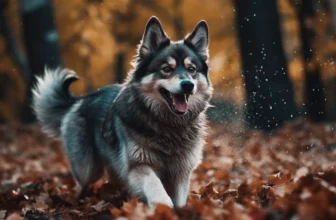
Pomskies have a moderate to high energy level, which means they require regular exercise and mental stimulation to prevent boredom and destructive behavior. Daily walks, playtime, and interactive toys are essential for keeping them physically and mentally engaged. Husky traits may contribute to their love for outdoor activities, so a securely fenced yard is recommended.
3.2 Trainability
Pomskies are intelligent dogs but can be somewhat stubborn at times. Early and consistent training is crucial to ensure they grow into well-behaved companions. Positive reinforcement methods such as rewards, treats, and praise work best with this breed. Socialization from an early age is also vital to help them become confident and adaptable in various environments.
Chapter 4: Health Concerns
Like any other dog breed, Pomskies can be prone to certain health issues. It’s important for breeders and owners to be aware of these potential problems and take appropriate measures to ensure the overall health and well-being of the dogs.
4.1 Genetic Health Conditions
Pomskies may inherit certain genetic health conditions from their parent breeds. Some common concerns include hip dysplasia, eye problems (such as cataracts or progressive retinal atrophy), dental issues, allergies, and luxating patellas. Regular vet check-ups, proper nutrition, exercise, and responsible breeding practices can help minimize the risk of these conditions.
4.2 Grooming Needs
Pomskies have a thick double coat that requires regular grooming. Weekly brushing helps prevent matting and keeps their fur in good condition. They may shed moderately throughout the year, with heavier shedding occurring during seasonal changes. Additionally, routine dental care, nail trimming, and ear cleaning are essential for maintaining their overall hygiene.
Chapter 5: Finding a Pomsky
If you have fallen in love with the Pomsky breed and are considering adding one to your family, it’s crucial to find a reputable breeder who prioritizes the health and well-being of their dogs. Researching local breeders, visiting their facilities, and asking for health clearances can help ensure you bring home a healthy and well-socialized Pomsky puppy.
5.1 Adoption vs. Buying from a Breeder
While adopting a Pomsky from a rescue or shelter is always an option, it can be more challenging due to the breed’s popularity. However, adopting provides an opportunity to give a loving home to a dog in need. If you decide to buy from a breeder, make sure to choose one who practices ethical breeding standards and prioritizes the health and temperament of their dogs.
5.2 Financial Considerations
Owning any dog comes with financial responsibilities. Beyond the initial purchase price or adoption fee, Pomskies require regular veterinary care, quality food, grooming supplies, training sessions, toys, and other essentials. It’s important to budget accordingly to provide for their needs throughout their lifespan.
Conclusion
Pomskies are undoubtedly adorable dogs that have gained immense popularity among dog lovers worldwide. They combine the best traits of both Pomeranians and Siberian Huskies into one small package. However, potential owners must educate themselves about the breed’s characteristics, temperament, health concerns, and training needs to ensure they are a good match for their lifestyle. With proper care, love, and attention, Pomskies can make wonderful companions for many years to come.