Tiny Pomsky Puppies: Everything You Need to Know About These Adorable Mixes
Pomskies are a relatively new breed that has gained immense popularity in recent years, and it’s easy to see why. These adorable mixes between Pomeranians and Huskies are small yet energetic, and they make great companions for families with children or individuals who love dogs but don’t have space for larger breeds. In this article, we’ll cover everything you need to know about tiny Pomsky puppies.
What is a Pomsky?
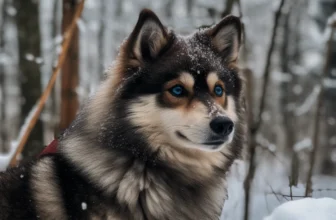
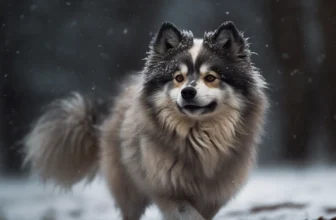
A Pomsky is a designer dog breed that was created by crossing a Siberian Husky with a Pomeranian. The resulting puppies inherit traits from both parent breeds, which makes them unique and lovable. Typically, Pomskies weigh between 10 to 38 pounds and stand at around 10 to 15 inches tall.
Temperament of Pomskies
Pomskies are known for their friendly and affectionate temperament. They are playful, energetic, and love interacting with their owners. Pomskies are also intelligent dogs and can be easily trained with positive reinforcement methods. However, because they are crossbreeds, their personalities can vary depending on the individual dog’s genetic makeup.
Pomsky Coat Colors
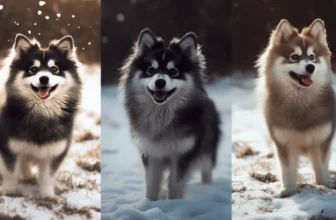
One of the most attractive features of Pomskies is their coat colors. Their coats can come in various shades of grey, black, white, red, brown, and cream. Some Pomskies may also have distinctive markings like spots or stripes on their fur.
Pomsky Grooming Needs
Pomskies require regular grooming to keep their coats healthy and shiny. They shed moderately throughout the year but tend to shed more during seasonal changes. Regular brushing can help prevent matting and tangling of the fur. Pomskies also need to have their nails trimmed regularly, and their ears should be cleaned to prevent infections.
Pomsky Exercise Requirements
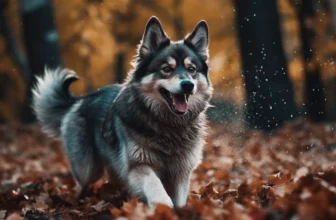
Despite being small dogs, Pomskies are energetic and require regular exercise to stay healthy. They enjoy playing fetch, going for walks or runs, and participating in agility training. As with any dog breed, it’s important not to over-exercise a Pomsky, especially when they are puppies.
Pomsky Health Issues
As with any dog breed, there are some health issues that Pomskies may be prone to. Some of these include hip dysplasia, eye problems like cataracts and glaucoma, allergies, and skin irritations. To ensure your Pomsky stays healthy, it’s important to schedule regular check-ups with a veterinarian.
Training Your Tiny Pomsky Puppy
Training your tiny Pomsky puppy is an essential part of owning one. Positive reinforcement methods work best for this breed as they are sensitive dogs who respond well to praise and treats. It’s crucial to start training your puppy early on and set clear boundaries and rules.
Socializing Your Tiny Pomsky Puppy
Socialization is critical for any dog breed, but it’s especially important for tiny Pomsky puppies. By exposing them to different people, animals, and environments at a young age, you can help prevent behavioral problems like aggression towards strangers or other dogs.
Feeding Your Tiny Pomsky Puppy
Pomskies require a balanced diet that meets their nutritional needs. Puppies should be fed a high-quality puppy food that contains protein, carbohydrates, fats, vitamins, and minerals. It’s recommended to feed them small meals throughout the day instead of one large meal.
Choosing the Right Breeder
When looking for a tiny Pomsky puppy, it’s essential to choose the right breeder. A reputable breeder will provide health certificates for the puppies and their parents, as well as offer a guarantee against genetic disorders. They should also be willing to answer any questions you have about the breed and the puppies they are selling.
Conclusion
Tiny Pomsky puppies are adorable and make great companions for families or individuals who love dogs but don’t have space for larger breeds. They require regular grooming, exercise, and training to stay healthy and happy. By choosing the right breeder and providing your puppy with proper care, you can enjoy many years of love and companionship with your tiny Pomsky.