Siberian Husky Pomsky: The Ultimate Guide to Understanding this Designer Dog Breed
As a professional breeder of pomskies, I have come across many people who are curious about this designer dog breed. In this ultimate guide, I am going to cover everything you need to know about Siberian Husky Pomskies.
What is a Siberian Husky Pomsky?
A Siberian Husky Pomsky is a designer dog breed that is created by crossbreeding a Siberian Husky with a Pomeranian. This breed is also known as a Pomsky and is becoming increasingly popular due to their adorable looks and friendly personality.
Appearance
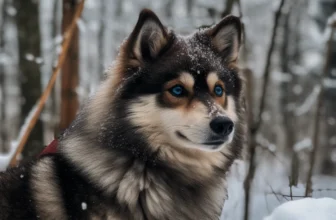
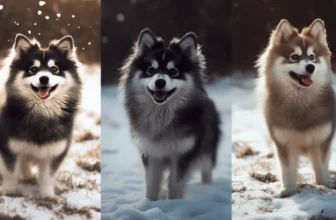
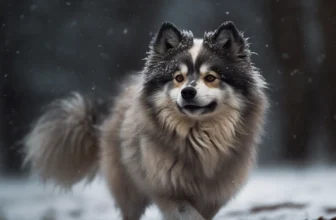
The appearance of a Siberian Husky Pomsky can vary depending on the parent breeds. Generally, they have a small to medium-sized body and a thick coat that can be either long or short. They also have erect ears and almond-shaped eyes that give them an alert expression.
One of the most striking features of a Pomsky is their coloration which can range from white, black, grey, sable, red or brown. In addition, their coat can be solid-colored or have different markings and patterns such as merle, brindle or piebald.
Size and Weight
The size and weight of a Siberian Husky Pomsky can vary depending on the parent breeds. Typically, they weigh between 20-30 pounds and stand at around 10-15 inches tall at the shoulder. However, it’s not uncommon for some individuals to grow larger than others.
Temperament
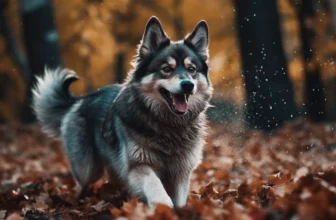
Siberian Husky Pomskies are known for their friendly and playful temperament. They are affectionate towards their owners and enjoy spending time with them. They are also good with children and other pets, making them an ideal family dog.
However, due to their high energy levels, Pomskies require plenty of exercise and mental stimulation to prevent boredom and destructive behavior. They love going on walks, playing fetch or engaging in agility training.
Training
Training a Siberian Husky Pomsky can be challenging at times due to their stubborn nature. It’s important to start training early on and use positive reinforcement techniques such as treats, toys or verbal praise to encourage good behavior.
Socialization is also crucial for Pomskies as it helps them develop confidence and prevents aggression towards unfamiliar people or animals. Exposing them to different environments, sounds, smells and experiences from a young age can help them become well-adjusted adults.
Grooming
Pomskies require regular grooming to maintain their thick coat in good condition. Brushing them twice a week can help remove dead hair and prevent matting. Bathing should only be done when necessary as frequent bathing can strip the natural oils from their coat.
Trimming their nails regularly is also important as long nails can cause discomfort or even injury while walking. Cleaning their ears and teeth regularly can help prevent infections or dental problems.
Health
Like any other breed, Siberian Husky Pomskies are prone to certain health issues such as hip dysplasia, eye problems, allergies or dental issues. Regular check-ups with a veterinarian can help identify any potential health problems early on.
A responsible breeder will screen their breeding dogs for genetic disorders before breeding them to reduce the risk of passing down these conditions to their offspring.
Breeding
Breeding Siberian Husky Pomskies requires careful planning and preparation. It’s important to only breed healthy dogs that meet the breed standards and have a good temperament. The breeding process should also take into consideration the size and weight of both parent breeds to avoid any potential health problems for the offspring.
It’s crucial to find a reputable breeder who has experience in breeding Pomskies and is willing to provide all necessary information about the parent dogs, their health history, and the breeding process.
Cost
The cost of a Siberian Husky Pomsky can vary depending on several factors such as the breeder, location, demand, and availability. On average, a Pomsky can cost between $1,500-$5,000.
Conclusion
Siberian Husky Pomskies are a popular designer dog breed that combines the best qualities of both parent breeds. They are friendly, playful, and make great family pets. However, they require plenty of exercise, mental stimulation, grooming and socialization to thrive.
If you’re considering getting a Pomsky, it’s important to do your research and find a reputable breeder who is passionate about producing healthy and happy puppies.