Pomsky Weight by Age: A Guide to Understanding Your Pomsky’s Growth
As a professional breeder for Pomskies, it is important to have a comprehensive understanding of their growth and development. One crucial aspect of monitoring your Pomsky’s progress is tracking their weight by age. By understanding the expected weight range at different stages of their life, you can ensure that your furry friend is healthy and thriving. In this guide, we will delve into the topic of Pomsky weight by age, providing you with valuable insights into what to expect as your adorable Pomsky grows.
Understanding the Pomsky Breed
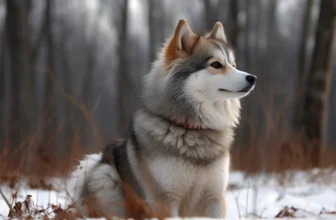
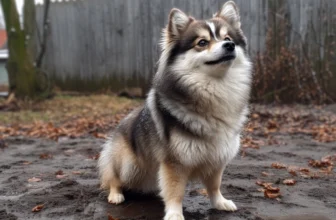
Before diving into the specifics of Pomsky weight, let’s first familiarize ourselves with this unique and popular breed. The Pomsky is a crossbreed between a Siberian Husky and a Pomeranian. These designer dogs have gained immense popularity due to their striking appearance, combining the Husky’s majestic features with the Pomeranian’s cute and compact size.
The Pomsky breed comes in various sizes, ranging from miniature to standard. This size difference can significantly impact their weight by age. It is essential to remember that every individual dog is unique, and there may be variations within the general weight ranges we discuss.
Weight Range for Different Ages
A Pomsky puppy goes through several distinct stages of growth before reaching adulthood. Let’s explore the typical weight ranges associated with each stage:
- Birth to 8 Weeks:
- 8 Weeks to 6 Months:
- 6 Months to 1 Year:
- 1 Year and Beyond:
During this phase, Pomsky puppies are entirely dependent on their mother’s milk for nutrition. Their weight at birth is usually between 0.5 to 1 pound (227 to 454 grams). Over the next eight weeks, they should gain around half a pound (227 grams) per week.
As Pomsky puppies transition from milk to solid food, their weight gain accelerates. By the end of eight weeks, they should weigh around 4-7 pounds (1.8-3.2 kilograms). From there, their weight can increase by approximately one pound (0.45 kilograms) each month until they reach six months old.
During this period, Pomskies continue to grow but at a slower pace compared to their puppy months. By six months, they should weigh between 10-15 pounds (4.5-6.8 kilograms), and by one year, their weight typically ranges from 15-25 pounds (6.8-11.3 kilograms).
Once your Pomsky reaches adulthood, their growth slows down significantly. However, it is crucial to monitor their weight and ensure they maintain a healthy range according to their size classification – miniature or standard.
Factors Affecting Pomsky Weight
While the above weight ranges provide a general guideline, several factors can influence your Pomsky’s growth rate and overall weight:
- Genetics:
- Diet and Nutrition:
- Exercise:
- Health Conditions:
Pomskies inherit genetic traits from both their Siberian Husky and Pomeranian parents. Certain genes can influence their size, metabolism, and weight potential.
The quality of food you provide plays a significant role in your Pomsky’s growth. A balanced diet rich in essential nutrients, vitamins, and minerals is vital for their overall health and appropriate weight gain.
Regular exercise helps maintain your Pomsky’s muscle tone and prevents excessive weight gain or obesity. Engaging them in physical activities suitable for their age and size will contribute to their overall well-being.
Certain health conditions or medical issues can affect a Pomsky’s weight. Regular check-ups with a veterinarian are crucial to identify any underlying health concerns that may impact their growth.
Tips for Monitoring Weight
To effectively monitor your Pomsky’s weight, consider the following tips:
- Weighing Scale:
- Body Condition Scoring:
- Dietary Adjustments:
- Consulting a Professional:
Invest in a reliable digital scale that accurately measures your Pomsky’s weight. Regularly record their weight to track any notable changes.
Learn how to perform a body condition score assessment on your Pomsky. This technique provides insights into their overall body composition beyond just the number on the scale.
If you notice significant fluctuations in your Pomsky’s weight, consult with a veterinarian or canine nutritionist to make appropriate dietary adjustments.
If you have concerns about your Pomsky’s growth or weight, don’t hesitate to seek advice from a professional breeder, veterinarian, or experienced Pomsky owner.
Celebrating Your Pomsky’s Growth
Watching your Pomsky grow and develop into a healthy adult dog is a rewarding experience. By understanding the expected weight ranges at different ages, you can actively participate in their well-being. Remember to provide them with love, care, and attention throughout their journey from puppyhood to adulthood.
Conclusion
Pomsky weight by age provides valuable insights into your Pomsky’s growth and ensures their overall health and well-being. Understanding the typical weight ranges at various stages allows you to monitor their progress effectively. However, it is essential to consider individual variations and consult professionals when necessary. With careful monitoring, proper nutrition, exercise, and regular veterinary check-ups, you can ensure that your adorable Pomsky thrives and remains a cherished companion for years to come.