
Quick answer: There is no single Pomsky weight chart that fits every dog. Track the individual puppy's trend, body condition, parent size and veterinary assessments; a stable curve and healthy condition matter more than matching an internet target.
Written and reviewed by A Pomsky Editorial Team. Published 2026-06-21; last reviewed July 25, 2026.
Educational guide only. This page does not sell food, rank products, replace veterinary care, or promise exact weight, adult size, body condition, temperament, or health. See the health disclaimer, editorial policy, and affiliate disclosure.
Quick answer: Pomsky weight should be tracked as a trend, not judged from one number. A useful record combines age, recent weights, body condition, coat changes, food amount, treats, activity, stool, appetite, energy, and veterinary notes. If weight change is sudden or paired with illness signs, ask a veterinarian before changing food or exercise.
This updated FAQ keeps the original search intent but removes weak structure, image placeholders, and unsupported certainty. It is written to answer common owner questions quickly while routing deeper topics to the right page.
Quick Answer: Pomsky Weight Is a Trend, Not a Promise
A healthy Pomsky weight is not one fixed number. Pomskies can vary because the mix commonly points to Siberian Husky and Pomeranian ancestry, and individual dogs differ in parent size, frame, coat, muscle, sex, age, and growth pattern. A weight number becomes useful only when you pair it with body condition and trend.
This page answers common Pomsky weight questions and routes you to the right deeper page. Use it for weigh-in records, puppy versus adult trend questions, and deciding whether the next step is body-condition review, feeding planning, activity planning, or a veterinary conversation.
Pomsky Weight FAQ at a Glance
| Question | Short answer | Best next check |
| Is this weight normal? | Maybe. Normal depends on frame, age, sex, parent context, and body condition. | Compare trend and body condition. |
| Is my Pomsky too thin? | Do not judge from coat or one number. | Look at ribs, waist, appetite, energy, stool, and veterinary notes. |
| Is my Pomsky overweight? | Weight alone cannot answer it. | Use body condition versus fluff. |
| Should food change? | Not from one weigh-in. | Record meals, treats, chews, table scraps, and activity first. |
How This Page Differs From Related Guides
This page is a FAQ and triage page. It should not duplicate the deeper adult-size, body-condition, or food guides. For adult size and growth, read Pomsky adult size. For adult readiness, read full-grown Pomsky FAQ. For coat fluff versus extra body fat, read Is my Pomsky fat?.
If you already know weight is a likely concern and need a measured food and activity routine, use the chubby Pomsky weight plan. If the main question is food selection, use best dog food for Pomskies, recommended Pomsky food, or the nutrition hub.
Why Pomsky Weight Varies
Pomsky weight varies because the parent breeds behind the common mix description differ greatly in size. A dog with a smaller frame may be healthy at a lower weight, while a larger-framed adult may be healthy at a number that would be too high for a compact dog.
Frame, leg length, chest depth, muscle, coat density, growth stage, neuter status, food routine, activity, and health history can all change the number. That is why this page avoids exact promises and focuses on repeated records.
Puppy Weight Versus Adult Weight
Puppy weight is a moving target. A young Pomsky may grow quickly, slow down, fill out, change coat, or pass through a lanky stage. One puppy weight cannot tell you the final adult result.
Track age, date, weight, food amount, stool, appetite, activity, and body-condition notes. A series of weigh-ins tells you whether the trend is steady, rapid, stalled, or surprising. That is more useful than a single number copied from a chart.
Adult Pomsky Weight Questions
For adults, the best question is not only "What does the scale say?" It is "Has this adult changed from their normal trend, and does body condition still look appropriate?" Stable adults can be monitored periodically, while sudden change deserves more attention.
If your dog is already adult and your question is broader than weight, use adult Pomsky FAQ and adult Pomsky dog health checklist. Those pages cover routine, handling, grooming, exercise, and preventive care.
How to Weigh a Pomsky at Home
Use the same scale when possible. Small dogs may fit on a pet scale; some owners weigh themselves, then weigh themselves holding the dog and subtract the difference. Keep the dog calm, avoid slippery surfaces, and do not turn weighing into a stressful event.
Record the date, age, time of day, whether the dog recently ate, and any unusual activity or illness. If the number is surprising, repeat it calmly later before making a big conclusion.
What to Record With Each Weigh-In
- Date and age.
- Weight and scale used.
- Food name, amount, and feeding schedule.
- Treats, chews, toppers, training rewards, and table scraps.
- Activity, walks, play, weather, and recovery.
- Stool, appetite, drinking, sleep, energy, and movement notes.
- Body-condition notes: ribs, waist, side tuck, and coat changes.
Body Condition Matters More Than the Number
Weight has to be paired with body condition. A fluffy Pomsky can look wide because of coat. Another Pomsky can hide extra body fat under dense fur. The WSAVA body condition chart is useful because it looks at shape and touch, not only weight.
For a practical step-by-step review, read Is my Pomsky fat?. That page is the better place for rib, waist, side-tuck, and red-flag routing.
Coat Fluff Can Mislead You
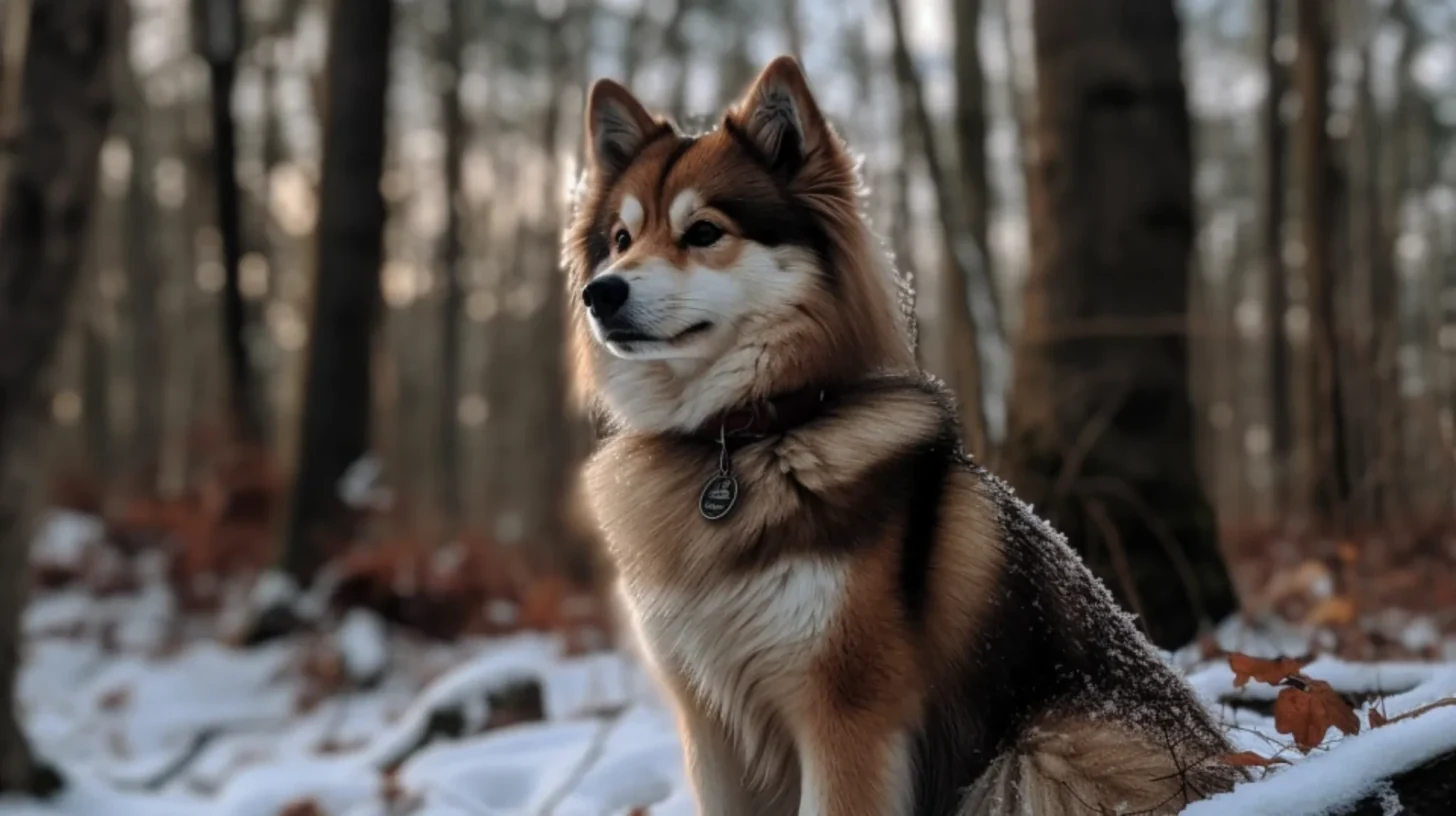
A Pomsky may look heavier in winter coat, after brushing, or in a seated pose. A wet coat or fresh groom can make the same dog look smaller. Camera angle can exaggerate the chest, belly, or neck ruff.
Use consistent photos if you track body shape: one side view and one view from above while the dog is standing comfortably. Photos are only supporting notes, not proof by themselves.
When a 10, 20, or 25 Pound Search Helps
Searches such as 10-pound Pomsky, 20-pound Pomsky, or 25-pound Pomsky are useful only as starting questions. The number may describe a healthy adult, a growing adolescent, a compact dog carrying extra body fat, or a larger-framed dog in good condition.
Ask what age the dog is, whether the dog is still growing, what the parent context suggests, whether body condition looks appropriate, and whether the trend has changed. The number alone is not enough.
When Weight Gain Is a Routine Question
Some weight gain has an ordinary explanation: reduced activity, more treats, shared snacks, less structured meals, recovery from illness, or a seasonal routine change. A one-week household log often reveals more than memory.
Record every edible item, including dental chews, pill pockets, training rewards, lick mats, toppers, broth, peanut butter, and table scraps. If multiple people feed the dog, record who gave each item.
When Weight Gain Is a Vet Question
Ask a veterinarian about sudden gain, sudden loss, belly swelling, repeated vomiting, severe diarrhea, weakness, collapse, heavy panting at rest, coughing, limping, obvious pain, appetite changes, drinking much more than usual, urinating much more than usual, or poor exercise tolerance.
This page can help organize what to ask. It cannot evaluate an individual dog. The health disclaimer explains the medical boundary.
When Food Changes Should Wait
Large food changes should wait if the Pomsky is a puppy, senior, pregnant, nursing, recently ill, underweight, already on a veterinary diet, or showing sudden health changes. In those cases, ask for individual guidance before changing portions.
For normal food selection, use the food-label guide. For portion planning, use the Pomsky feeding chart. For puppies, use Pomsky puppy food or best Pomsky puppy food by age.
Treats and Hidden Calories
Treats can change the weight trend even when meals look measured. Training rewards, chews, toppers, table scraps, and food puzzles all count. A dog that trains often may receive more calories than the owner realizes.
Keep a daily treat budget. Use smaller rewards, part of the normal meal, or lower-calorie options that your veterinary team considers appropriate for your dog. The point is consistency, not punishment.
Slow Eating and Weight Tracking
Fast eating can make it harder to monitor appetite and satiety. Some Pomskies inhale meals, beg soon after, or seem hungry because the meal disappears quickly. That does not always mean the portion is too small.
Use training a Pomsky to eat slowly for safe feeding routine ideas. Slow feeders and puzzle meals should be counted as part of the daily food amount, not extra food.
Activity Notes Belong in the Weight Log
Weight trend is connected to movement, but activity should be safe. Record walks, sniffing, play, training, weather, surfaces, stairs, jumping, panting, limping, and recovery. Sudden exercise jumps can create stress, especially if the dog is already uncomfortable.
If your Pomsky is likely over-ideal but otherwise stable, the chubby Pomsky plan is the next action page. This FAQ should not duplicate that plan.
Puppies: Do Not Chase Adult Weight Too Early
Puppies need growth support, not adult weight anxiety. A puppy can look round after meals, awkward during growth, or lanky before filling out. The right question is whether growth is steady and whether your veterinarian is comfortable with body condition.
Bring your weight log to puppy visits. Ask whether the trend, stool, appetite, teeth, activity, and food amount match the puppy's age and frame.
Adults: Watch for Slow Drift
Adult Pomskies can drift upward slowly when routine changes. A little less walking, a few more chews, and less measured feeding may add up over months. Slow drift is easier to correct when you catch it early.
Keep a monthly or quarterly weigh-in for stable adults. Add notes when travel, boarding, illness, weather, or household schedule changes affect the routine.
Seniors: Weight Change Needs Context
Older dogs may gain or lose weight for different reasons than young adults. Activity, muscle, appetite, dental comfort, medications, pain, and underlying health can all affect weight. Do not assume every senior weight change is simply food or laziness.
For senior or medically complex dogs, use a veterinary plan. A simple web FAQ cannot replace an exam, history, and individual recommendations.
How to Compare Two Pomskies
Two Pomskies can both be healthy at different weights. Compare frame, height, chest depth, leg length, coat density, muscle, sex, age, and activity. Avoid saying one dog is normal because it matches a photo and another is wrong because it does not.
Compare your Pomsky with their own trend first. If you want broader size context, use the size and growth hub.
What Not to Do
- Do not make extreme food cuts from one weigh-in.
- Do not force long runs, repeated jumping, or hot-weather exercise because the scale changed.
- Do not buy supplements or products that promise a shortcut.
- Do not judge body condition from coat fluff or one photo.
- Do not ignore sudden weight change because Pomskies are mixed and fluffy.
- Do not use one breed-average number as a rule for every dog.
One-Week Pomsky Weight Log Template
- Weigh once at the start and once at the end of the week if the dog is comfortable.
- Record all meals by amount, not just by brand.
- Record every treat, chew, topper, pill wrap, food puzzle, and table scrap.
- Record walk length, play, training, stairs, panting, limping, and recovery.
- Take one side photo and one top photo in the same place.
- Write down stool, appetite, drinking, sleep, energy, and behavior changes.
How to Use the Log
At the end of the week, look for patterns. Did treats increase on training days? Did activity drop because of weather? Did several people feed extra food? Did the dog show discomfort or appetite change? A pattern tells you which next page or professional conversation fits best.
If the dog is stable and the concern is minor, adjust routine cautiously and keep monitoring. If the trend is sudden, confusing, or paired with other signs, use veterinary guidance.
Questions to Bring to a Vet Visit
A weight note is more useful when it is specific. Bring the dates and numbers from your weigh-ins, the food name, measured daily amount, feeding schedule, treat list, activity notes, stool notes, appetite changes, drinking changes, and any recent medications or illnesses. If you have photos taken from the same angle, bring those too.
Ask whether your Pomsky's body condition, muscle, coat, growth stage, and routine fit the current weight trend. Ask how often to recheck, whether meal amounts should be measured differently, whether treats need a daily limit, and whether any health history changes the plan. For puppies, ask whether the growth trend looks steady for the dog's age and frame instead of chasing an adult number too early.
Questions to Ask Before Comparing Online Photos
Online photos can be misleading because coat, camera angle, grooming, posture, and lighting change how a Pomsky looks. A seated dog may show a rounder belly. A wet dog may look much smaller. A thick winter coat can hide waist shape, while a fresh groom can make a dog appear leaner than usual.
Before comparing your Pomsky with another photo, ask the dog's age, sex, approximate frame, recent activity, coat stage, and whether the photo was taken while standing. Even then, use photos as context only. Your dog's repeated trend and body-condition notes matter more than one image of another Pomsky.
How to Keep Weight Advice Practical
Practical weight tracking should feel boring and repeatable. Use the same scale, the same basic photo angles, a simple food log, and a realistic activity note. A complicated system is harder to keep, and missing records make it easy to overreact to one surprising number.
Choose the next guide based on the real problem. If you need body-condition help, read the body-condition page. If you need meal structure, use the feeding chart and food guides. If you need an action routine for a dog already trending heavy, use the chubby Pomsky plan. This FAQ is the starting point that keeps those decisions organized.
Ad and Affiliate Boundary
A Pomsky may display ads, and some pages may use clearly disclosed affiliate links. This FAQ is educational. It does not sell food, rank supplements, recommend a product as a condition of care, or push a quick purchase decision.
Read the affiliate disclosure and editorial policy for site rules. This page uses source links to support general context, not to make promises about one individual dog.
Frequently Asked Questions
How much should a Pomsky weigh?
A Pomsky's weight should be treated as a range, not a single number. Parent size, generation, age, sex, growth pattern, body condition, muscle, coat, and health history all matter.
Is 25 pounds normal for a Pomsky?
It can be normal for some Pomskies and too heavy or too light for others. Compare body condition, adult-size context, and weight trend rather than judging from the number alone.
How often should I weigh my Pomsky?
Puppies can be weighed more often during growth, while stable adults usually need periodic trend checks. Use the same scale when possible and record the date, age, food routine, and body-condition notes.
Can puppy weight predict adult Pomsky weight?
Puppy weight can show direction, but it should not be used as an exact adult prediction. Current age, parent context, recent trend, and veterinary input are more useful together.
Is my Pomsky overweight or just fluffy?
Coat fluff can make a Pomsky look larger. Use body condition: waist from above, side tuck, ribs felt with light pressure, movement comfort, and trend over time.
Should I reduce food if my Pomsky gains weight?
Do not make large food changes from one weigh-in. First record meals, treats, chews, table scraps, activity, and recent health changes, then ask a veterinarian if the trend is concerning.
When should Pomsky weight changes be checked by a veterinarian?
Ask a veterinarian about sudden gain or loss, belly swelling, weakness, repeated vomiting, severe diarrhea, heavy panting at rest, limping, coughing, appetite changes, thirst changes, or poor exercise tolerance.
Where should I read next?
Use the full-grown Pomsky FAQ for adult readiness, the body-condition page for fluff versus fat, the feeding chart for portion planning, and the chubby Pomsky plan only when a weight concern is already likely.
Sources Reviewed
- PetMD - Pomsky Dog Breed Health and Care
- AKC - Siberian Husky
- AKC - Pomeranian
- WSAVA - Body Condition Score Dog Chart
- AAHA - Nutrition and Weight Management Guidelines
- AVMA - Your Pet's Healthy Weight
- Cornell Riney Canine Health Center - Obesity and Weight Loss in Dogs
- Merck Veterinary Manual - Feeding Practices in Small Animals
- VCA - Preventive Health Care Guidelines for Dogs
Evidence and related Pomsky guides
These sources support only their stated claim scopes; they do not guarantee an individual Pomsky outcome.
Sources reviewed for this page
- World Small Animal Veterinary Association: Body Condition Score for Dogs
- World Small Animal Veterinary Association: Global Nutrition Guidelines
- American Animal Hospital Association: AAHA-AVMA Canine Preventive Healthcare Guidelines