Pomsky Tan and White: A Guide to This Adorable Mix
Pomskies are a relatively new breed of dog that have quickly gained popularity due to their adorable looks and sweet temperament. One of the most common colors for Pomskies is tan and white, which gives them a distinctive and charming appearance. In this guide, we will take an in-depth look at Pomsky tan and white dogs, including their appearance, personality traits, health concerns, training tips, and more.
Appearance of Pomsky Tan and White Dogs
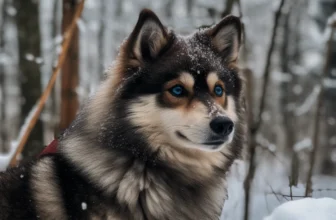
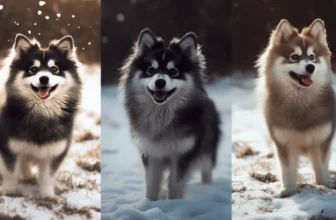
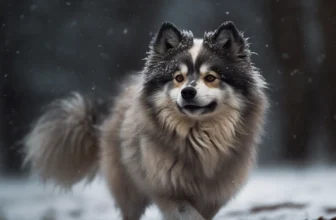
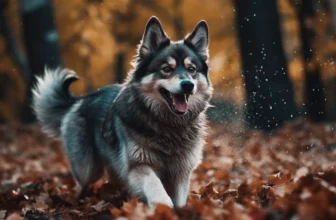
Pomsky tan and white dogs are a mix between Pomeranians and Siberian Huskies, so they inherit traits from both parent breeds. Typically, Pomskies weigh between 20 and 30 pounds and stand around 10 to 15 inches tall at the shoulder. They have a thick double coat that can be tan or white, or a combination of the two.
The coat of a Pomsky tan and white dog may be solid colored or have markings such as spots or stripes. Many people find the contrast between the tan and white fur to be particularly appealing. Their eyes are usually blue or brown, although some Pomskies may have one blue eye and one brown eye.
One thing to keep in mind about Pomskies is that their appearance can vary quite a bit depending on the individual dog’s genetic makeup. Some may look more like Pomeranians with a fluffy coat and small size, while others may resemble Huskies with longer legs and thicker fur. As with any mixed breed dog, it’s important to be prepared for some level of unpredictability when it comes to appearance.
Personality Traits of Pomsky Tan and White Dogs
One of the reasons why Pomskies have become so popular is because they tend to be friendly, affectionate dogs with a sweet disposition. They are generally good with children and other pets, making them a great choice for families. Pomskies are also known to be intelligent and lively, so they require plenty of mental and physical stimulation to stay happy and healthy.
However, it’s important to note that Pomskies can also inherit some less desirable traits from their parent breeds. For example, Huskies are known for being independent and stubborn at times, while Pomeranians can be prone to excessive barking. As such, it’s important to train and socialize your Pomsky from an early age to help them develop good habits and avoid problem behaviors.
Health Concerns for Pomsky Tan and White Dogs
Because Pomskies are a relatively new breed, there is still much that is unknown about their health issues. However, as with any dog breed, there are certain conditions that they may be more prone to developing based on their genetics.
One potential issue for Pomskies is hip dysplasia, which is a condition where the hip joint does not develop properly. This can lead to pain and mobility issues later in life. Another concern is eye problems such as cataracts or progressive retinal atrophy (PRA), which can cause vision loss over time.
To minimize the risk of these health issues, it’s important to choose a reputable breeder who screens their dogs for genetic disorders before breeding them. Additionally, providing your Pomsky with a healthy diet, regular exercise, and routine veterinary care can help keep them in top condition.
Training Tips for Pomsky Tan and White Dogs
Training and socialization are crucial for any dog breed, but especially important for mixed breeds like Pomskies who may inherit traits from both parent breeds. Here are some tips for training your Pomsky tan and white dog:
– Start training early: It’s best to begin training your Pomsky as soon as you bring them home, while they are still young and impressionable. This will help establish good habits and prevent problem behaviors from developing.
– Use positive reinforcement: Pomskies respond well to positive reinforcement training methods, such as rewarding good behavior with treats or praise. Avoid using punishment or physical force, which can lead to fear or aggression.
– Be patient and consistent: Training a dog takes time and patience, so be prepared to put in the effort. Consistency is key – make sure everyone in the household is on the same page when it comes to rules and training methods.
– Socialize your Pomsky: Exposing your Pomsky to different people, places, and situations from a young age can help them become well-adjusted and confident adults. Make sure to introduce them to other dogs, children, and new environments in a positive way.
Conclusion
Pomsky tan and white dogs are a charming and adorable mix that have captured the hearts of many dog lovers. If you’re considering adding a Pomsky to your family, be prepared for some unpredictability when it comes to appearance and personality traits. However, with proper training, socialization, and care, Pomskies can make wonderful companions who bring joy and laughter into your life.