Quick answer
The answer depends on the individual dog's genetics, age, health, training, and environment. Use parent records and direct observation as evidence, avoid guarantees based on color or marketing size labels, and ask a veterinarian or qualified trainer when the decision affects health or safety.
What to verify
- Evaluate the individual dog rather than relying on a color, generation, or marketing size label.
- Confirm health or behavior decisions with a veterinarian or appropriately qualified trainer.
- Treat prices, availability, business claims, and review scores as time-sensitive until independently verified.
Sources and further reading
Pomsky vs Pomeranian: Which One is More Suitable for You?
When it comes to choosing a new furry friend, there are many factors to consider. Do you want a dog that is small or large? Do you have the time and energy to care for a high-energy breed, or would you prefer one that is more laid-back? Are you looking for a loyal companion, or a dog that can also serve as a guard or watchdog?
Two popular breeds that often come up in these discussions are the pomsky and the Pomeranian. While they may look similar at first glance, there are some key differences between the two that potential owners should be aware of before making a decision.
Size
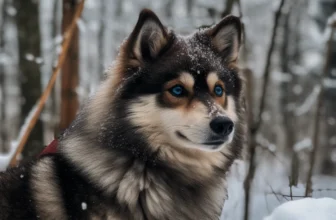
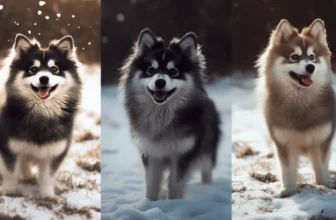
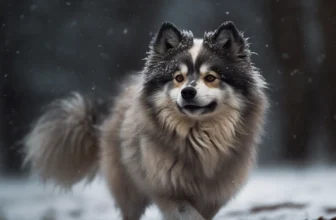
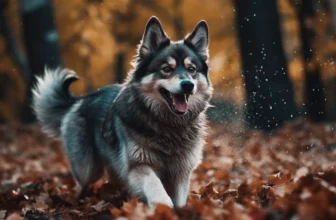
One of the most obvious differences between the pomsky and the Pomeranian is their size. The Pomeranian is a small breed, typically weighing between 3-7 pounds and standing only 6-7 inches tall at the shoulder. The pomsky, on the other hand, is a relatively new hybrid breed created by crossing a Pomeranian with a Siberian Husky. As such, its size can vary depending on the parents’ sizes; most pomskies weigh between 20-30 pounds and stand around 10-15 inches tall at the shoulder.
If you are looking for a small lapdog that can easily travel with you or live in an apartment, then the Pomeranian may be more suitable for you. However, if you prefer a slightly larger dog that still fits in well with small homes or apartments but has more energy and requires more exercise, then the pomsky might be your ideal choice.
Temperament
Another important factor to consider when choosing between these two breeds is temperament. Both pomskies and Pomeranians are known for being friendly and affectionate with their owners, but there are some differences in their personality traits.
Pomeranians tend to be more independent and can sometimes be stubborn or difficult to train. They are also known for being alert and vocal, making them good watchdogs but not always the best choice for people who live in close quarters with neighbors.
Pomskies, on the other hand, are often described as playful, energetic, and intelligent. They are typically easier to train than Pomeranians due to their Husky parentage, and they tend to get along well with children and other pets. However, they may also be prone to separation anxiety if left alone for long periods of time.
Exercise Needs
Both pomskies and Pomeranians require regular exercise to stay healthy and happy. However, due to their size difference, their exercise needs can vary significantly.
Pomeranians do not need a lot of exercise; short walks or play sessions indoors can usually suffice. On the other hand, pomskies need more exercise due to their higher energy levels. They should have at least 30 minutes of moderate exercise every day, such as brisk walks or play sessions in a fenced yard.
If you lead an active lifestyle or enjoy spending time outdoors with your dog, then a pomsky might be a better fit for you. However, if you prefer a dog that is content with shorter walks or indoor playtime, then a Pomeranian might be more suitable.
Grooming
Both pomskies and Pomeranians require regular grooming to maintain their coat’s health and appearance. However, there are some differences in how often they need grooming and what type of grooming they require.
Pomeranians have thick coats that require daily brushing to prevent matting and tangling. They also shed heavily twice a year during shedding season and will need extra grooming during these times.
Pomskies also have thick coats, but they shed less than Pomeranians due to their Husky parentage. They only need to be brushed once or twice a week, but they may require more frequent grooming during shedding season.
If you enjoy spending time grooming your dog and want a furry companion that requires regular maintenance, then either breed can work well for you. However, if you prefer a dog that requires less grooming and shedding, then a pomsky might be the better choice.
Health
Both pomskies and Pomeranians are generally healthy breeds with long lifespans. However, there are some health issues that potential owners should be aware of.
Pomeranians are prone to dental problems due to their small size and crowded teeth. They can also develop joint problems like patellar luxation or hip dysplasia.
Pomskies can inherit health issues from both their Pomeranian and Husky parents. Some potential health concerns include hip dysplasia, eye problems like cataracts or progressive retinal atrophy, and skin allergies.
If you are concerned about potential health issues, it’s important to choose a reputable breeder who performs genetic testing on their dogs before breeding them. You should also schedule regular check-ups with your veterinarian to catch any potential health issues early.
Conclusion
When deciding between a pomsky and a Pomeranian, there is no one-size-fits-all answer. Both breeds have their advantages and disadvantages, and the best choice will depend on your lifestyle, preferences, and priorities.
If you live in an apartment or small home and want a lapdog that requires less exercise and grooming, then a Pomeranian might be the better choice for you. On the other hand, if you lead an active lifestyle or want a more energetic companion that loves to play and exercise outdoors, then a pomsky might be a better fit.
Regardless of which breed you choose, remember that every dog is unique and has its personality and needs. With proper training, socialization, and care, both pomskies and Pomeranians can make excellent furry companions for many years to come.