Pomsky Miniature: Size, Appearance, and Breeding Standards
As a professional breeder for Pomsky, I have come across various questions regarding the size, appearance, and breeding standards of this adorable breed. In this article, we will explore everything you need to know about Pomsky miniature – from their physical characteristics to the standards for breeding them.
Size of Pomsky Miniature
The size of a Pomsky miniature can vary depending on the parents’ breeds and genetics. Generally, a Pomsky miniature is considered if it weighs between 5 to 15 pounds and stands at a height of 10 to 15 inches at the shoulder. However, there are three different categories of Pomskies based on their size:
- Toy Pomsky: Toy Pomskies are the smallest in size and usually weigh between 5 to 9 pounds with a height of up to 10 inches at the shoulder.
- Miniature Pomsky: Miniature Pomskies are slightly larger than toy Pomskies but still fall under the miniature category. They weigh between 10 to 15 pounds with a height of up to 15 inches at the shoulder.
- Standard Pomsky: Standard Pomskies are the largest in size and can weigh up to 30 pounds with a height of up to 18 inches at the shoulder. However, these types of pomskies are not very common as they require specific breeding practices.
In terms of appearance, all three categories have similar features that distinguish them as a pomsky breed.
Appearance of Pomsky Miniature
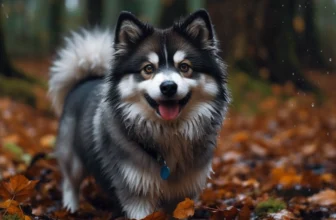
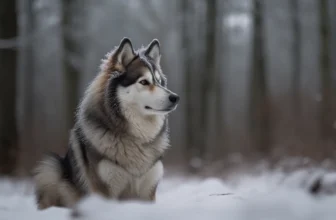
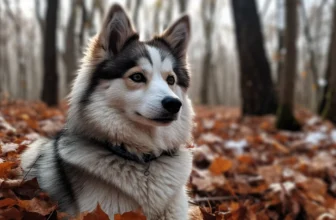
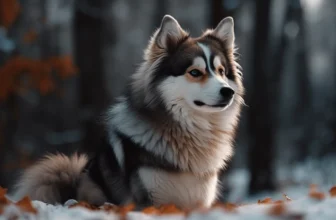
A pomsky miniature has a unique appearance that is a blend of its parent breeds, Pomeranian and Siberian Husky. The appearance of a pomsky miniature can vary depending on the genetic makeup of its parents. However, there are some physical characteristics that are common in all Pomskies:
- Coat: One of the most defining features of a Pomsky is its thick and fluffy coat that sheds moderately. The coat color can vary from black, brown, white, cream, sable, or a combination of these colors.
- Eyes: A Pomsky has striking blue or brown eyes that give them an adorable look. Some Pomskies may also have one blue and one brown eye.
- Ears: Pomskies have small triangular-shaped ears that stand erect or flop to the side.
- Tail: A Pomsky’s tail is usually curled upwards over its back with long fur covering it.
Apart from these physical characteristics, there are certain standards for breeding Pomsky miniature that breeders need to follow to maintain the breed’s quality and health.
Breeding Standards for Pomsky Miniature
The breeding standards for pomskies ensure that they are healthy and free from any genetic diseases that may affect their quality of life. Here are some guidelines that breeders should follow while breeding Pomsky miniature:
- Pomsky Breeders: Always purchase your pomsky puppies from reputable breeders who follow ethical breeding practices. Make sure they conduct health tests on the parent breeds to avoid any inherited diseases.
- Genetic Testing: Before breeding two parent breeds, make sure both undergo genetic testing for inherited diseases. This will help avoid any genetic abnormalities in the puppies.
- Breeding Age: A female Pomsky should not be bred until she reaches at least 2 years of age. This will ensure that she is fully developed and healthy enough to carry a litter.
- Litter Size: The average litter size for Pomskies is usually between three to five puppies. However, it’s crucial not to breed beyond what the female can handle, as this may cause health issues for both the mother and the puppies.
- Nutrition and Exercise: Proper nutrition and exercise are essential for both parent breeds before breeding. This will help them maintain their overall health and produce healthy offspring.
Following these breeding standards will help ensure that Pomsky miniature remains a healthy and beautiful breed that continues to capture hearts worldwide.
Conclusion
Pomsky miniature is an adorable breed that has gained immense popularity worldwide due to its unique appearance and loving nature. While the size, appearance, and breeding standards of pomskies may vary depending on various factors, following ethical breeding practices ensures that they remain healthy and free from any inherited diseases. As a professional breeder for Pomsky, I hope this article has helped you understand everything you need to know about this delightful breed!