Allevamento Pomsky Lombardia: The Ultimate Guide to Raising Healthy and Happy Pomskies
Introduction:
Welcome to Allevamento Pomsky Lombardia, your ultimate guide to raising healthy and happy Pomskies! As professional breeders, we understand the importance of providing the best care for these unique and adorable hybrid dogs. In this comprehensive guide, we will walk you through the various aspects of pomsky breeding, from selecting the right parents to ensuring their well-being throughout their lives.
Chapter 1: Understanding the Pomsky Breed
What is a Pomsky?
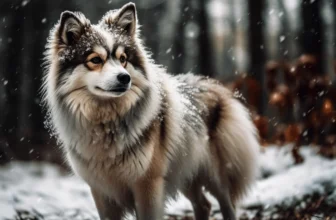
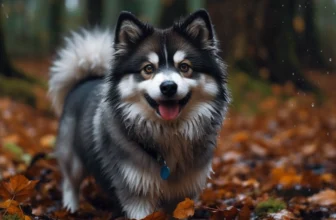
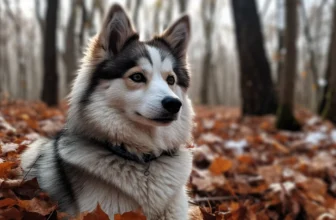
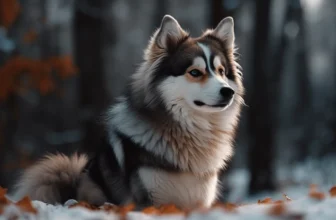
The Pomsky is a crossbreed between a Siberian Husky and a Pomeranian. These designer dogs have gained immense popularity due to their striking appearance and playful personalities. They typically inherit the Husky’s stunning blue eyes and fluffy coat, along with the Pomeranian’s small size and charming demeanor.
Size and Weight:
Pomskies come in different sizes depending on the ratio of Husky and Pomeranian genetics they inherit. On average, adult Pomskies weigh between 20-30 pounds (9-14 kg). It’s important to note that size can vary within litters, so be prepared for some variation among puppies.
Temperament:
Pomskies are known for their intelligence, playfulness, and loyalty. They thrive on companionship and love being around people. However, their energy levels can sometimes make them prone to mischief, so early socialization and training are crucial.
Chapter 2: Selecting the Right Parents
Health Screening:
Before breeding Pomskies, it is essential to ensure that both the Siberian Husky and Pomeranian parents are healthy and free from genetic disorders. Regular health screenings for conditions like hip dysplasia, eye problems, and heart diseases should be conducted to reduce the risk of passing on such issues to the offspring.
Temperament Evaluation:
Choosing parents with stable and friendly temperaments is crucial in producing well-rounded Pomsky puppies. Both the Husky and Pomeranian should exhibit desirable qualities such as sociability, trainability, and a gentle nature.
Chapter 3: The Breeding Process
Mating:
Pomskies can be bred through natural mating or artificial insemination. It’s important to follow ethical breeding practices and ensure that both dogs are in optimal health before attempting to breed them. Professional guidance from a veterinarian or experienced breeder is highly recommended during this process.
Gestation and Whelping:
The gestation period for Pomskies is around 63 days. During this time, it’s crucial to provide the expectant mother with proper nutrition, regular exercise, and veterinary care. As the due date approaches, create a comfortable whelping area for her to give birth safely.
Chapter 4: Raising Healthy Pomsky Puppies
Nutrition:
A balanced diet is vital for the growth and development of your Pomsky puppies. Consult with your veterinarian to determine the appropriate type and amount of food for each stage of their growth. High-quality puppy food that meets their nutritional needs is essential.
Vaccinations and Preventive Care:
Ensure that your Pomsky puppies receive the necessary vaccinations and preventive treatments to protect them from common canine diseases. Regular vet check-ups, deworming, flea and tick prevention, and proper dental care are all important aspects of maintaining their overall health.
Chapter 5: Training and Socialization
Potty Training:
Start potty training your Pomsky puppies early on using positive reinforcement techniques. Consistency, patience, and a regular schedule will help them understand where they should eliminate and form good habits quickly.
Basic Commands:
Teaching basic commands like sit, stay, come, and leash walking is essential for the safety and well-being of your Pomsky. Positive reinforcement methods such as treats, praise, and clicker training can be highly effective in shaping their behavior.
Socialization:
Expose your Pomsky puppies to various people, animals, sounds, and environments from an early age. This helps them become well-adjusted adults who are comfortable in different situations. Puppy classes or playdates with other dogs can also enhance their social skills.
Chapter 6: Providing a Happy Home
Exercise and Mental Stimulation:
Pomskies are energetic dogs that require both physical exercise and mental stimulation to prevent boredom and destructive behaviors. Daily walks, interactive toys, puzzle games, and obedience training sessions will keep them engaged and happy.
Grooming Needs:
The thick double coat of the Pomsky requires regular grooming to keep it healthy and tangle-free. Brush their fur a few times a week, trim their nails regularly, clean their ears, and brush their teeth to maintain good oral hygiene.
Creating a Safe Environment:
Pomskies are curious dogs, so it’s essential to puppy-proof your home to prevent accidents. Secure fences, remove toxic plants or substances from their reach, and provide them with a designated space where they can relax and feel safe.
Conclusion
In conclusion, raising healthy and happy Pomskies requires dedication, knowledge, and love. By understanding the breed’s characteristics, selecting the right parents, providing proper care throughout the breeding process, and ensuring a nurturing environment for both puppies and adult dogs, you can have a fulfilling experience as a professional breeder. Remember that each Pomsky is unique, and tailoring your approach to their individual needs will lead to a lifetime of joy and companionship.