Quick answer
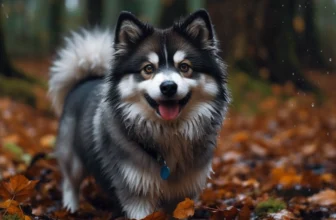
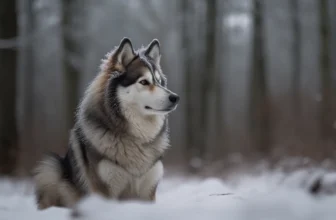
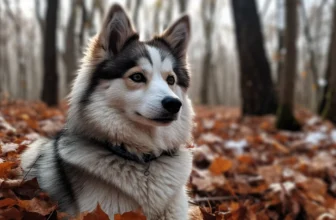
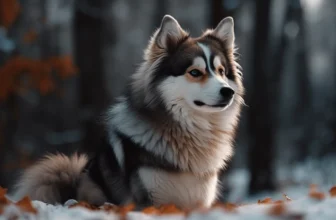
Pomsky coats, markings, eye color, and shedding vary because the dogs can inherit different combinations of traits from their parents. Color does not establish temperament, health, adult size, or quality, and puppy appearance can change as the coat matures.
Plan for regular brushing, nail care, dental care, and checks of the ears, skin, and coat. Grooming frequency should match the individual coat and season; ask a veterinarian or qualified groomer before shaving a double coat or treating persistent skin problems.
What to verify
- Expect variation in adult size, coat, markings, eye color, and shedding.
- Do not use appearance as proof of health, temperament, ancestry, or quality.
- Use parent records and veterinary growth monitoring as estimates, not guarantees.
Sources and further reading
Pomsky Merle: Understanding This Unique Coat Pattern
If you are familiar with the Pomsky breed, you may have heard of the Merle coat pattern. This unique and striking pattern is highly sought after by many Pomsky enthusiasts. In this article, we will explore what exactly is a Pomsky Merle, how it’s formed, and some important considerations for breeders.
What is a Pomsky Merle?
To understand the Pomsky Merle, we first need to understand what Merle means. The Merle gene affects the way pigment is distributed in a dog’s coat. When a dog has one copy of the Merle gene (referred to as “merle”), it creates a marbled or mottled effect on their base coat color. When a dog has two copies of the Merle gene (referred to as “double merle” or “homozygous merle”), it results in excessive white spotting, which can lead to various health issues such as blindness and deafness.
In Pomskies, the Merle gene often appears as a mix of black, brown, gray, and white patches on top of their base coat color. A Pomsky with a Merle coat pattern is referred to as a Pomsky Merle.
How is a Pomsky Merle formed?
The Merle gene is dominant, which means that if a dog inherits one copy of the gene from either parent, it will express the trait. However, if a dog inherits two copies of the gene (one from each parent), it will result in double merle and can lead to health issues mentioned earlier.
When breeding for Pomsky Merles, it’s important to note that not all pairings will produce puppies with this coat pattern. If both parents carry the Merle gene, there is a 25% chance that each puppy will inherit two copies of the gene and result in double merle. Therefore, it’s essential to ensure ethical breeding practices and genetic testing to avoid producing puppies with health issues.
Considerations for breeders
As a breeder, if you plan on producing Pomsky Merles, there are some important considerations to keep in mind:
1. Genetic testing: As mentioned earlier, it’s crucial to test both parents for the Merle gene and ensure they only carry one copy each. You should also consider DNA testing for other potential health issues that may affect the breed.
2. Responsible breeding: Avoid breeding two Merle dogs together, as it significantly increases the risk of producing double merle puppies. It’s also essential to follow ethical breeding practices such as proper socialization and care for your dogs and their offspring.
3. Health screenings: Regular vet checkups and screening for potential health issues can help prevent any future problems or detect them early on.
4. Education: As a breeder, it’s essential to educate potential buyers about the risks associated with double merle and why responsible breeding practices are necessary.
In conclusion
The Pomsky Merle coat pattern is undoubtedly unique and striking. However, as breeders, we must prioritize our dogs’ health and well-being over aesthetics. By practicing responsible breeding methods, genetic testing, and regular health screenings, we can help ensure that our beloved Pomskies lead happy and healthy lives.