Introduction
Pomsky is a designer breed that has been gaining popularity in recent years. It is a cross between a Pomeranian and a Siberian Husky. While both the breeds have their unique characteristics, the combination of the two breeds results in an adorable, intelligent, and loyal pet.
In this article, we will be discussing everything you need to know about male Pomskies. From their physical appearance to their temperament, we will cover all aspects of this lovable breed.
Physical Appearance
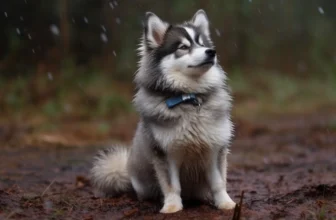
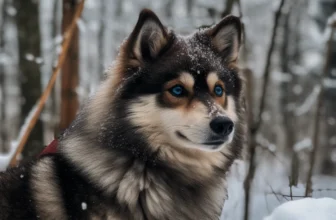
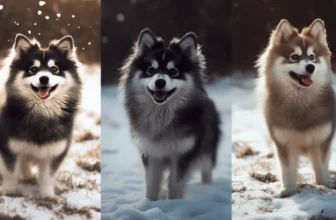
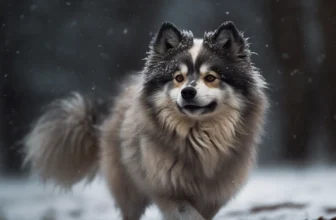
As with any breed, there can be variations in the physical appearance of male Pomskies. However, in general, they tend to have a compact body with a thick coat of fur that comes in different colors such as black, white, gray, cream or brown. They have a cute face with bright eyes and pointy ears.
The size of male Pomskies can vary depending on their parents’ size. Typically they weigh between 20-30 pounds and stand at around 10-15 inches tall at the shoulder.
Coat
One of the most attractive features of male Pomskies is their coat. They have a double-layered coat which keeps them warm in cold weather. The outer layer is long and silky while the undercoat is thick and soft.
Their coat requires regular grooming to keep it looking healthy and clean. Brushing their fur twice a week helps to remove tangles and prevent matting. Bathing them once every three months or so is enough to keep them clean.
Eye Color
Male Pomskies can have blue or brown eyes or even heterochromia (different colored eyes) like their husky parent.
The color of their eyes can change as they grow older. Some puppies are born with blue eyes that turn brown or green over time.
Temperament
Male Pomskies are known for their friendly and affectionate nature. They love to be around people and make great family pets.
They are intelligent dogs that are easy to train. They have a high energy level and require regular exercise to keep them mentally stimulated.
Pomskies thrive on attention, and they can suffer from separation anxiety if left alone for long periods. They can also become destructive if they get bored or anxious.
Aggression
Male Pomskies are not known to be aggressive. However, like any breed, they can become aggressive if they feel threatened or fearful. Early socialization with other animals and people helps prevent aggression.
Barking
Male Pomskies tend to bark more than other breeds. They are vocal dogs that use barking as a means of communication. Training them at a young age can help reduce excessive barking.
Health Issues
As with any breed, male Pomskies can be prone to certain health issues. It is essential to understand these health concerns before bringing home a puppy.
Hip Dysplasia
Hip dysplasia is a common issue in large breeds such as Siberian Huskies. It is a condition where the hip joint doesn’t fit correctly into the socket, causing pain and stiffness.
Owners can reduce the risk of hip dysplasia by ensuring that the puppy’s parents have been screened for this condition before breeding.
Eye Problems
Pomskies can inherit eye problems from both their Pomeranian and Husky parents. These issues include cataracts, progressive retinal atrophy (PRA), and corneal dystrophy.
Regular check-ups with a veterinarian can help detect these conditions early on when treatment options are available.
Training and Exercise
Training and exercise are essential for the overall health and well-being of male Pomskies.
Training
Pomskies are intelligent dogs that are easy to train. Positive reinforcement techniques such as treats and praise work best with this breed.
Early socialization is crucial for preventing behavioral issues such as aggression or anxiety. Introducing them to other animals and people at a young age helps them become well-adjusted adults.
Exercise
Male Pomskies have a high energy level and require regular exercise. Daily walks, playtime, and interactive toys can help keep them mentally stimulated.
They also enjoy participating in activities such as obedience training, agility courses, and hiking. These activities provide both physical and mental stimulation for your pet.
Conclusion
Male Pomskies are an adorable and loving breed that makes great family pets. They have a friendly temperament, require moderate exercise, and are easy to train.
While they may be prone to certain health issues such as hip dysplasia and eye problems, proper screening of parents before breeding can reduce the risk of these conditions.
If you’re considering bringing home a male Pomsky, make sure you have the time and resources to provide them with the care they need. With proper care, love, and attention, male Pomskies can make wonderful companions for years to come.