Pomsky Husky Puppies: Everything You Need to Know About This Adorable Mix
If you’re looking for a cute and cuddly companion, the Pomsky Husky puppy mix might be just what you need. These adorable pups are a cross between a Pomeranian and a Siberian Husky, resulting in a small yet energetic dog that’s perfect for families and individuals alike.
In this article, we’ll cover everything you need to know about Pomsky Husky puppies – from their appearance and temperament to their health concerns and training needs. By the end of this guide, you’ll have all the information you need to decide if a Pomsky is right for you.
Appearance
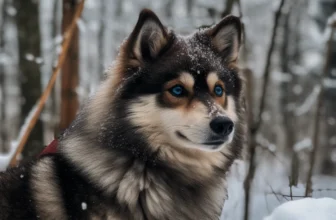
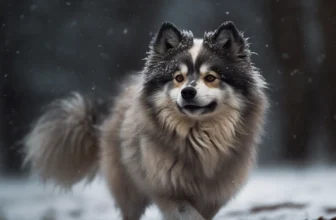
One of the most appealing aspects of Pomsky puppies is their unique appearance. As a mix between two different breeds, they can vary greatly in size, color, and coat type. Generally speaking, though, most Pomskies are small dogs that weigh between 20 and 30 pounds when fully grown.
Their coats can be short or medium-length, with colors ranging from white and cream to black, gray, and brown. Many Pomskies also have distinctive markings on their faces and bodies – such as dark masks around their eyes or speckles throughout their fur.
Overall, Pomskies are known for being incredibly cute and charming – with fluffy coats and piercing blue eyes that make them stand out in any crowd.
Temperament
While Pomskies may be small in size, they pack a big personality. These dogs are known for being lively, friendly, and outgoing – making them great companions for families with children or other pets.
However, because they are a mix between two very different breeds, their temperament can be somewhat unpredictable. Some Pomskies may take after their Pomeranian side more – meaning they could be more independent, sassy, and prone to barking. Others may lean towards their Siberian Husky side – making them more sociable, energetic, and eager to please.
Overall, it’s important to socialize your Pomsky from a young age and train them consistently to ensure they develop the right temperament for your family’s lifestyle.
Health Concerns
Like all dogs, Pomsky puppies can be prone to certain health issues – especially if their parents have any genetic predispositions. Some of the most common conditions that affect this breed include:
- Hip dysplasia: a condition where the hip joint doesn’t develop properly
- Eye problems: such as cataracts or progressive retinal atrophy
- Dental issues: due to their small size and crowded mouths
- Skin allergies: which can cause itching and irritation
To minimize the risk of these conditions, it’s important to choose a reputable breeder who conducts health screenings on both parent dogs before breeding. Additionally, you should schedule regular vet check-ups and stay up-to-date on vaccinations and preventative care.
Training Needs
While Pomskies are generally quick learners with strong problem-solving skills, they can also be stubborn and headstrong at times. This means that training your Pomsky is essential if you want them to behave well in your home and around others.
When training your Pomsky puppy, there are a few key things to keep in mind:
- Start early: begin training as soon as possible, ideally when your puppy is between 8-12 weeks old
- Be consistent: use positive reinforcement techniques like treats and praise consistently to reinforce good behavior
- Focus on socialization: expose your Pomsky to a variety of people, animals, and environments to help them develop good social skills
- Be patient: remember that training takes time and effort – don’t get discouraged if your puppy doesn’t catch on immediately
With time and patience, your Pomsky can become a well-behaved and obedient companion that you’ll love having around.
Costs
As with any purebred or mixed breed dog, there are costs associated with owning a Pomsky. Here are some of the main expenses you can expect:
- Adoption fees: the cost of adopting a Pomsky can vary depending on the breeder or rescue organization – but generally ranges from $1,500 to $5,000
- Veterinary care: regular vet check-ups, vaccinations, and preventative care can add up over time – usually costing several hundred dollars per year
- Food and supplies: high-quality dog food, toys, bedding, and other supplies can also add up – typically costing several hundred dollars per year as well
- Grooming costs: because Pomskies have thick coats that require regular brushing and grooming, you may need to budget for professional grooming services every 6-8 weeks at an average cost of $50-$75 per visit
While these costs may seem steep at first glance, it’s important to remember that owning any pet comes with expenses. By planning ahead and budgeting accordingly, you can provide your Pomsky with the best possible care without breaking the bank.
Conclusion
In summary, Pomsky Husky puppies are a unique and lovable mix breed that offers plenty of personality in a small package. While they do require some extra attention when it comes to training and grooming, they make excellent companions for families and individuals alike.
If you’re considering adding a Pomsky to your household, be sure to do your research and choose a reputable breeder or rescue organization. With the right care and attention, your Pomsky can grow up to be a happy and healthy member of your family for years to come.