Pomsky Husky Dog: The Ultimate Guide to Understanding this Adorable Breed
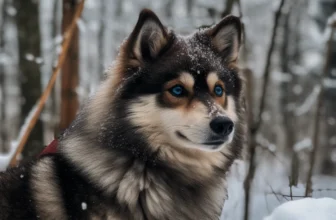
The Pomsky is a relatively new breed of dog that has become increasingly popular in recent years. This adorable breed is a cross between a Pomeranian and a Siberian Husky, resulting in a small but energetic dog with a fluffy coat and piercing blue eyes.
History of the Pomsky
The Pomsky is believed to have originated in the United States, although there is some speculation that the breed may have existed in other parts of the world before being officially recognized. The first documented Pomskies were bred in 2009, and since then, the breed has gained popularity among dog lovers around the world.
The idea behind breeding Pomskies was to create a smaller version of the Siberian Husky that would be more suitable for apartment living. Pomeranians were chosen as the other half of the mix due to their small size and friendly personalities.
Appearance
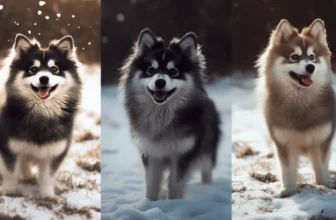
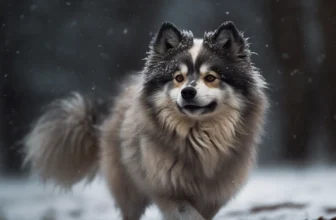
One of the most distinctive features of the Pomsky is its fluffy coat, which can come in a variety of colors including black, white, gray, brown, and red. The coat is thick and soft to touch, making it perfect for snuggling up with on a cold night.
Pomskies are typically small dogs, standing at around 10-15 inches tall and weighing between 20-30 pounds. They have a compact build with short legs and a round head. Their eyes are usually blue or brown in color and are almond-shaped.
Temperament
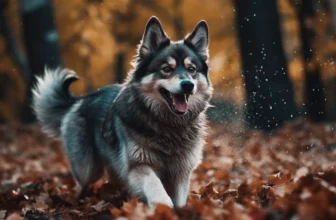
Pomskies are known for being playful, affectionate, and loyal dogs. They love spending time with their owners and are always up for a game or cuddle session. However, they can also be quite stubborn at times, which can make training a challenge.
These dogs are also known for being very vocal and will often bark at strangers or other animals. They are intelligent and curious by nature, so it’s important to keep them mentally stimulated with plenty of toys and activities to prevent boredom.
Caring for Your Pomsky
When it comes to caring for your Pomsky, there are a few things you need to keep in mind. Firstly, their thick coat requires regular grooming to prevent matting and tangles. You should brush your Pomsky’s coat at least once a week and bathe them every 4-6 weeks.
Pomskies are also active dogs that require plenty of exercise. They love going on walks and playing fetch in the backyard. However, it’s important not to over-exercise them as they can tire easily due to their small size.
Finally, like all dogs, Pomskies require a healthy diet that is rich in protein and nutrients. You should feed your dog high-quality dog food that is appropriate for their size and age.
Health Concerns
As with all breeds of dog, there are certain health concerns that Pomskies may be prone to. Some of the most common health issues include:
- Eye problems: Due to their small size and round eyes, Pomskies may be prone to eye problems such as cataracts, glaucoma, and progressive retinal atrophy.
- Hip dysplasia: This is a condition that affects the hips of dogs and can cause pain and mobility issues.
- Dental problems: Due to their small size, Pomskies may be prone to dental problems such as tooth decay and gum disease.
It’s important to keep up with regular vet visits and ensure that your Pomsky receives proper care to prevent these health issues from developing.
Training Your Pomsky
Training a Pomsky can be a challenge due to their stubborn nature. However, with patience and consistency, you can train your dog to behave well and follow commands.
One of the most important things when training a Pomsky is to establish yourself as the pack leader. This means setting boundaries and rules for your dog to follow and being consistent in enforcing them. Positive reinforcement techniques such as treats and praise can also be effective in motivating your dog to learn.
Socialization is also important for Pomskies, especially when they are young. Exposing your dog to different people, animals, and environments can help them develop confidence and reduce the risk of behavior problems later on.
Conclusion
The Pomsky is an adorable breed of dog that has become increasingly popular in recent years. They are playful, affectionate, and loyal dogs that make great companions for families or individuals who are looking for a smaller version of the Siberian Husky.
If you’re considering getting a Pomsky, it’s important to do your research and understand the breed’s unique needs and temperament. With proper care and training, your Pomsky can be a happy and healthy member of your family for many years to come.