Introduction:
Welcome to our comprehensive guide on raising a Pomsky puppy in Spain! Whether you’re considering adding this adorable hybrid breed to your family or you’ve already brought one home, this article will provide you with all the information you need to ensure a happy and healthy life for your furry friend. Let’s dive right into the world of Pomskies!
The History of Pomskies:
Origin and Background:
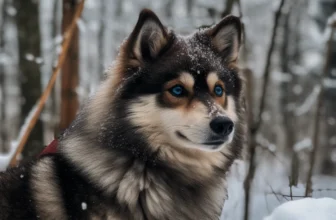
The Pomsky is a relatively new designer breed that has gained immense popularity in recent years. It is a cross between a Siberian Husky and a Pomeranian, resulting in an irresistibly cute and compact dog with striking blue eyes and a fluffy coat.
The exact origins of the Pomsky are unclear, but it is believed to have originated in the United States around 2009. Breeders aimed to create a smaller version of the Siberian Husky that would possess its beautiful appearance and playful nature but in a more manageable size, suitable for smaller homes or apartments.
Physical Characteristics of Pomskies:
Size, Coat, and Colors:
- Pomskies can vary in size depending on their parentage. On average, they range from 10 to 15 inches (25-38 cm) in height at the shoulder and weigh between 15 to 30 pounds (7-14 kg).
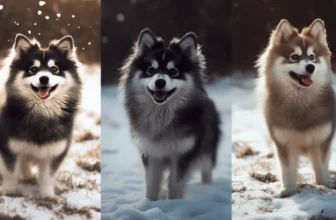
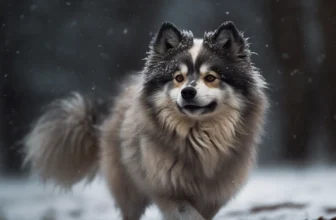
- Their coats can be long or medium in length, with a dense and soft undercoat. Common coat colors include black, white, gray, red, and various combinations of these colors.
- One of the most distinctive features of Pomskies is their expressive eyes, often blue or a combination of blue and brown.
Temperament and Personality:
Affectionate Companions:
Pomskies are known for their friendly and affectionate nature. They thrive on human companionship and form strong bonds with their owners. They are loyal, playful, and eager to please, making them wonderful family pets.
Socialization and Training:
It’s important to start socializing your Pomsky puppy from an early age. Introduce them to different people, animals, and environments to ensure they grow into well-rounded adults. Positive reinforcement-based training methods work best with Pomskies as they respond well to praise and rewards.
Energy Levels:
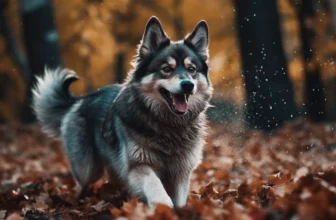
Pomskies have moderate energy levels inherited from both parent breeds. Daily exercise in the form of walks, playtime, or mental stimulation activities is essential to keep them physically and mentally stimulated. A tired Pomsky is a happy Pomsky!
Grooming Needs:
Coat Care:
Pomskies have a double coat that requires regular grooming to keep it healthy and tangle-free. Brushing their coat at least twice a week helps prevent matting and removes loose fur.
Bathing:
Bathing should be done as needed or when your Pomsky gets dirty. Use a gentle dog shampoo specifically formulated for their sensitive skin to avoid any irritations.
Nail Trimming and Dental Care:
Regular nail trims are necessary to prevent overgrowth and discomfort. Additionally, dental hygiene is crucial, so introduce teeth brushing early on to maintain good oral health.
Health Considerations:
Potential Health Issues:
As with any breed, Pomskies may be prone to certain health conditions. Some common issues include hip dysplasia, eye problems, allergies, and dental issues. Regular veterinary check-ups and a healthy diet can help mitigate these risks.
Finding a Reputable Breeder:
When looking for a Pomsky puppy, it’s essential to find a reputable breeder who prioritizes the health and well-being of their dogs. Research breeders carefully, ask for references, visit their facilities if possible, and ensure they conduct thorough health screenings on their breeding dogs.
Feeding and Nutrition:
Dietary Requirements:
Pomskies should be fed a high-quality dog food that meets their specific nutritional needs. The amount of food will depend on factors such as age, weight, activity level, and metabolism. Consult with your veterinarian to determine the appropriate feeding schedule and portion sizes for your Pomsky.
Training and Exercise:
Obedience Training:
Pomskies are intelligent dogs that enjoy learning new commands and tricks. Enroll them in obedience classes or work with a professional trainer to establish basic manners and improve their social skills.
Mental Stimulation:
In addition to physical exercise, Pomskies thrive on mental stimulation. Provide them with puzzle toys, interactive games, or treat-dispensing toys to keep their minds engaged and prevent boredom.
Conclusion:
Your Perfect Pomsky Companion:
Pomskies make fantastic companions for individuals and families alike. They combine the best traits of both Siberian Huskies and Pomeranians, resulting in a loving, playful, and adorable companion. However, it’s important to remember that each dog is unique, so understanding your Pomsky’s specific needs and providing them with love, care, and attention will ensure a fulfilling and joyful life together.
By following the guidelines outlined in this article, you are well-equipped to embark on an incredible journey with your Pomsky puppy. Enjoy every moment as you watch them grow into a happy and healthy adult dog!