Quick answer
The answer depends on the individual dog's genetics, age, health, training, and environment. Use parent records and direct observation as evidence, avoid guarantees based on color or marketing size labels, and ask a veterinarian or qualified trainer when the decision affects health or safety.
What to verify
- Evaluate the individual dog rather than relying on a color, generation, or marketing size label.
- Confirm health or behavior decisions with a veterinarian or appropriately qualified trainer.
- Treat prices, availability, business claims, and review scores as time-sensitive until independently verified.
Sources and further reading
The Fascinating World of Pomsky Breeds
Pomskies, also known as Huskerians, are an adorable and sought-after designer breed that has gained immense popularity in recent years. These small and fluffy dogs are a cross between a Pomeranian and a Siberian Husky, combining the best traits of both breeds. If you’re considering adding a Pomsky to your family or simply want to learn more about this captivating breed, read on!
1. Origin and History
The Pomsky breed originated in the United States around a decade ago. It was created by crossing a purebred Pomeranian with a purebred Siberian Husky through artificial insemination. The goal was to produce a smaller version of the majestic Siberian Husky with the appealing features of the Pomeranian.
Though relatively new, the Pomsky breed quickly captivated dog lovers worldwide due to its striking appearance and charming personality.
2. Appearance
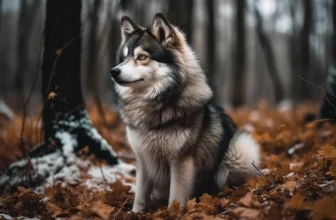
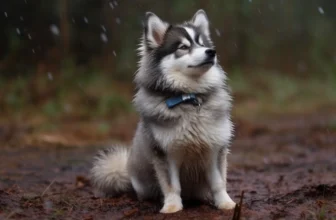
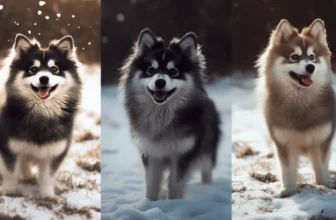
Pomskies exhibit a wide range of appearances, often resembling miniature versions of Siberian Huskies. Their size can vary depending on the ratio of Pomeranian to Husky genes they inherit. On average, they weigh between 15 to 30 pounds (6.8 to 13.6 kilograms) and stand at a height of 10 to 15 inches (25 to 38 centimeters).
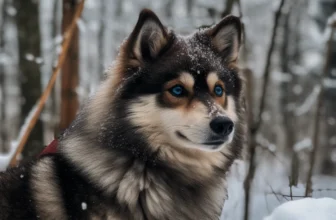
These adorable canines have thick double coats that come in various colors, including black, white, gray, red, and brown. Their striking blue or multicolored eyes are one of their most distinguishing features.
3. Temperament and Personality
Pomskies are known for their spirited and affectionate nature. They are intelligent, playful, and love being the center of attention. These dogs thrive on human companionship and enjoy spending time with their families.
Due to their Pomeranian heritage, Pomskies can sometimes exhibit stubbornness. However, with proper training and socialization from an early age, they can become well-behaved and obedient pets.
4. Care and Grooming
Pomskies have a moderate exercise requirement. Daily walks, playtime, and mental stimulation activities are essential to keep them physically and mentally fit. They also enjoy participating in agility training or other dog sports.
Grooming Pomskies requires regular brushing to maintain their plush coats and prevent matting. Additionally, their ears should be checked and cleaned regularly to avoid any infections.
5. Health Issues
As with any breed, Pomskies may be prone to certain health issues. These can include dental problems, allergies, hip dysplasia, eye conditions like cataracts or progressive retinal atrophy (PRA), as well as skin issues such as dermatitis.
It is crucial for responsible breeders to conduct health screenings on their parent dogs to minimize the risk of passing on genetic diseases to the offspring.
6. Training and Socialization
Early training is vital for Pomsky puppies to ensure they grow into well-mannered adults. Positive reinforcement techniques work best with this breed as they respond well to praise and rewards.
Socialization is equally important to help Pomskies become comfortable around other animals, people, and different environments. Exposing them to new experiences from a young age will prevent fear or aggression issues as they grow older.
7. Finding a Pomsky
When looking to add a Pomsky to your family, it is essential to find a reputable breeder who prioritizes the health and well-being of their dogs. Responsible breeders will offer health guarantees, provide proper documentation, and allow you to meet the parents.
Avoid purchasing Pomskies from pet stores or puppy mills, as these sources often prioritize profit over the welfare of the animals.
8. Pomsky Myths Debunked
There are several misconceptions surrounding Pomskies that need clarification:
- Pomskies are not “teacup” Huskies: While some breeders may use terms like “miniature” or “teacup,” there is no official teacup version of this breed recognized by reputable kennel clubs. Such labels are often marketing tactics used to sell smaller-sized puppies at higher prices.
- Pomskies are not hypoallergenic: Both Pomeranians and Huskies shed their coats seasonally. As a result, Pomskies are not considered hypoallergenic and may not be suitable for individuals with allergies.
- Pomskies require commitment: These dogs are active and social creatures that require time, attention, and care. Potential owners should be prepared to invest in their training, exercise, grooming needs, and overall well-being.
In Conclusion
Pomskies are undeniably unique and captivating companions for those willing to provide them with love, care, and attention. With their striking appearance, lively personality, and small size, they have become a popular choice for dog lovers worldwide. However, it is essential to approach the acquisition of a Pomsky responsibly by finding a reputable breeder and understanding their specific needs.
By following the guidelines mentioned in this article, you are well on your way to becoming an informed Pomsky owner who can provide their furry friend with a happy and fulfilling life!