Introduction
Pomskies are becoming increasingly popular as a designer dog breed. These adorable dogs are a mix between Siberian Huskies and Pomeranians, resulting in a small, fluffy, and energetic pup. While the more common colors for Pomskies are black, white, and grey, there is a growing demand for blonde Pomskies.
In this article, we will discuss everything you need to know about blonde Pomskies. From their appearance to their temperament, training, health concerns, and grooming needs.
Appearance
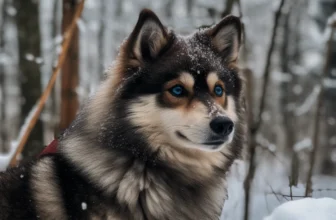
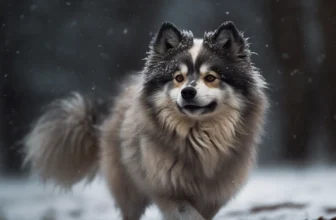
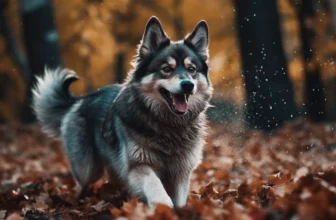
Blonde Pomskies have a light-colored coat that ranges from creamy white to pale gold. They often have darker markings around their eyes and nose, giving them a unique and distinctive look. Just like other Pomskies, they have a thick, fluffy coat that requires regular grooming.
Blonde Pomskies can vary in size depending on the size of their parents. On average, they weigh between 10-25 pounds and stand at around 10-15 inches tall at the shoulder.
Temperament
Blonde Pomskies have an energetic and playful personality that makes them great family pets. They love to play and run around with children but also enjoy quiet time cuddling on the couch with their owners.
As with any dog breed, proper socialization is essential to ensure they grow up well-behaved. It’s important to expose your blonde Pomsky to different people and situations from an early age so they can learn how to interact with others appropriately.
Training
Blonde Pomskies are intelligent dogs that are eager to please their owners. However, they can be stubborn at times and require consistent training from an early age.
Positive reinforcement techniques work best when training Pomskies. They respond well to treats, praise, and affection when they do something right. It’s important to be patient and consistent when training your blonde Pomsky, as repetition is key to success.
Health Concerns
Blonde Pomskies are generally healthy dogs, but like any breed, they can be prone to certain health concerns. Some of the most common health issues that Pomskies may experience include:
– Hip dysplasia: A genetic condition where the hip joint doesn’t develop correctly, leading to pain and mobility issues.
– Eye problems: Pomskies may develop eye problems such as cataracts, glaucoma, or progressive retinal atrophy (PRA).
– Dental issues: Due to their small size, Pomskies are prone to dental problems such as tooth decay and gum disease.
It’s important to regularly take your blonde Pomsky for check-ups with a veterinarian to ensure they stay healthy and catch any potential health concerns early on.
Grooming Needs
Blonde Pomskies have a thick coat that requires regular grooming to keep it in good condition. They need to be brushed at least once a week to prevent matting and tangling of their fur.
It’s also essential to bathe your blonde Pomsky every 6-8 weeks or when they start to smell or become dirty. Use a gentle dog shampoo and conditioner specifically designed for their coat type.
Trimming their nails regularly will prevent them from becoming too long and causing discomfort when walking. Additionally, cleaning their ears and brushing their teeth will help maintain good hygiene and prevent infections.
Conclusion
Blonde Pomskies are an adorable designer dog breed that makes great family pets. They have a unique appearance, playful personality, and require regular grooming and training. As with any dog breed, it’s important to provide them with proper care and attention so they can live happy and healthy lives.