Pomsky vs Husky: Understanding the Differences
Pomskies and Huskies are two popular breeds of dogs that have many similarities and differences. As a professional breeder for Pomskies, it is important to understand these differences to better educate potential owners on which breed will suit their lifestyle and preferences.
Size and Appearance
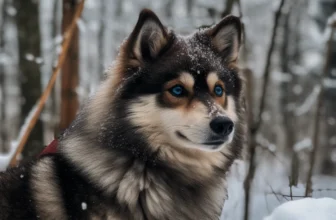
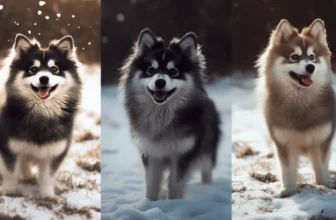
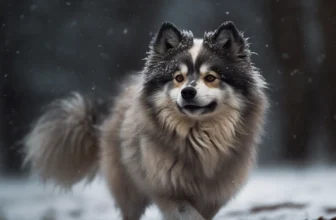
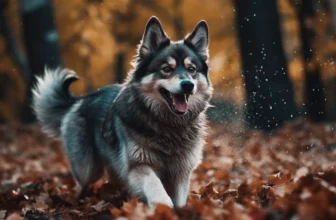
The most noticeable difference between Pomskies and Huskies is their size. A Pomsky is a mix between a Pomeranian and a Siberian Husky, so they are generally smaller than purebred Huskies. Pomskies typically weigh between 20-30 pounds and stand around 10-15 inches tall at the shoulder. They have a fluffy coat that can come in various colors, including black, white, gray, cream or brown.
On the other hand, Huskies are much larger dogs weighing between 35-60 pounds with a height of around 21-24 inches at the shoulder. They have a thick double-coat that comes in various colors as well, including black, white, gray or copper red.
Temperament
Another significant difference between Pomskies and Huskies is their temperament. Both breeds are known for being intelligent and energetic but have distinct personalities.
Pomskies tend to be more affectionate and loyal than Huskies. They love spending time with their owners and crave attention. They also have a playful nature, making them great family dogs that get along well with children.
Huskies, on the other hand, are independent-minded dogs that can be aloof towards strangers. They were originally bred to pull sleds across long distances in harsh conditions, so they require lots of exercise and mental stimulation to keep them happy. While they can make great family pets when trained properly from an early age, they do require a firm hand and consistent training.
Exercise Needs
Both Pomskies and Huskies are active dogs that require plenty of exercise to stay healthy and happy. However, their exercise needs differ slightly due to their size and energy levels.
Pomskies need around 30-60 minutes of exercise each day, including walks, runs or playtime in the backyard. They are small enough to live happily in an apartment or small home as long as they get enough exercise.
Huskies, on the other hand, require much more exercise due to their larger size and high energy levels. They need at least one hour of vigorous activity each day, such as running, hiking or playing fetch. They also require plenty of mental stimulation to keep them from getting bored.
Grooming Needs
Both Pomskies and Huskies have thick coats that require regular grooming to keep them healthy and looking their best. However, their grooming needs differ slightly due to the texture of their coats.
Pomskies have a soft, fluffy coat that sheds moderately throughout the year. They require regular brushing to prevent matting and tangling, especially during shedding season when they will shed heavily.
Huskies have a thicker double-coat that sheds heavily twice a year during shedding season. During this time, they will blow their coat, which means they will lose most of their undercoat in a short amount of time. They also require regular brushing throughout the year to prevent matting and tangling.
Health Concerns
Like all breeds of dogs, both Pomskies and Huskies can be prone to certain health concerns. However, because Pomskies are a relatively new breed created by crossing two purebred dogs, there is less data available on their health concerns compared to Huskies.
Some common health concerns for Pomskies include dental issues, hip dysplasia, eye problems and allergies. Huskies are prone to certain genetic health concerns such as hip dysplasia, eye problems and thyroid issues.
Conclusion
In conclusion, while both Pomskies and Huskies share similarities due to their ancestry, they have distinct differences in size, temperament, exercise needs, grooming needs and health concerns. As a professional breeder for Pomskies, it is important to educate potential owners on these differences so that they can make an informed decision about which breed of dog will suit their lifestyle and preferences. Ultimately, both breeds make great pets when given the proper care, training and attention they need.