Pommer Pomskies: Everything You Need to Know About This Adorable Breed
Welcome to our comprehensive guide on Pommer Pomskies! In this article, we will explore everything you need to know about this adorable breed. From their origins and characteristics to care tips and training advice, we’ve got you covered. So, let’s dive in and discover the wonderful world of Pommer Pomskies!
1. Origins of Pommer Pomskies
The Pommer Pomsky is a relatively new designer breed that has gained immense popularity among dog lovers worldwide. It is a crossbreed between a Siberian Husky and a Pomeranian, resulting in an irresistibly cute and fluffy companion.
The first documented Pomsky breeding efforts began in the early 2000s when breeders aimed to create a smaller version of the Siberian Husky while retaining its striking appearance. The Pomeranian, known for its small size and playful nature, was chosen as the ideal breed for this purpose.
Through careful selective breeding, the Pommer Pomsky emerged as an enchanting mix of both parent breeds’ desirable traits. Today, they are recognized by various kennel clubs and have become highly sought after by individuals and families looking for a charming and loyal pet.
2. Characteristics of Pommer Pomskies
Pommer Pomskies exhibit a unique combination of features inherited from their Siberian Husky and Pomeranian parents. Let’s explore some key characteristics that make them truly special:
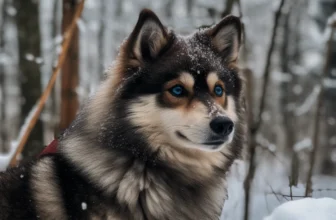
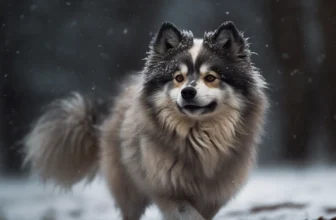
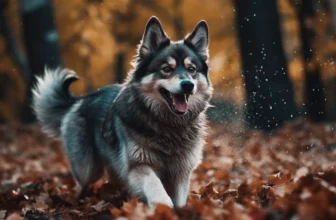
- Appearance: Pommer Pomskies have a striking resemblance to mini Huskies. They typically have fluffy coats, erect ears, and captivating blue or multi-colored eyes.
- Size: Generally, Pommer Pomskies are small to medium-sized dogs. Their average height ranges from 10 to 15 inches (25 to 38 cm) at the shoulder, and they weigh between 15 to 30 pounds (7 to 14 kg).
- Temperament: These charming dogs are known for their playful, loving, and friendly nature. They enjoy spending time with their owners and are great with children and other pets when properly socialized.
- Intelligence: Pommer Pomskies are intelligent and quick learners. They thrive on mental stimulation and enjoy participating in training sessions or interactive games.
3. Care Tips for Pommer Pomskies
Proper care is essential to ensure the health and well-being of your beloved Pommer Pomsky. Here are some care tips you should keep in mind:
- Diet: Provide your Pommer Pomsky with a balanced diet consisting of high-quality dog food appropriate for their age, size, and activity level. Consult your veterinarian for specific dietary recommendations.
- Grooming: Regular grooming is necessary to maintain the beautiful coat of your Pommer Pomsky. Brush them at least once a week to prevent matting and tangling. Additionally, check their ears regularly for any signs of infection.
- Exercise: Despite their small size, Pommer Pomskies require regular exercise to stay happy and healthy. Daily walks, playtime, or engaging in agility activities will help fulfill their exercise needs.
- Training: Start training your Pommer Pomsky from a young age using positive reinforcement techniques. They are eager to please and respond well to rewards-based training methods.
4. Training and Socialization
Training and socialization play a crucial role in shaping the behavior of your Pommer Pomsky. Here are some important points to consider:
Basic Obedience Training: Teach your Pommer Pomsky basic commands like sit, stay, come, and heel. This will not only make your life easier but also ensure their safety in various situations.
Potty Training: Consistency is key when potty training your Pommer Pomsky. Establish a routine and take them outside frequently, rewarding them for going in the right spot.
Socialization: Introduce your Pommer Pomsky to different people, animals, and environments from an early age. This will help them become well-rounded and confident dogs, reducing the chances of behavioral issues.
Note: Professional obedience classes or working with a qualified dog trainer can greatly assist you in training your Pommer Pomsky effectively.
5. Health Considerations
Pommer Pomskies are generally healthy dogs; however, they may be prone to certain health issues commonly found in their parent breeds. Some potential health concerns include:
- Joint Problems: Due to their Husky ancestry, Pommer Pomskies may develop hip dysplasia or other joint-related conditions. Regular exercise, a balanced diet, and maintaining a healthy weight can help minimize these risks.
- Dental Care: Pomeranians are known to have dental problems, so it’s important to establish a regular dental care routine for your Pommer Pomsky. Brushing their teeth regularly and providing appropriate chew toys can help maintain their oral health.
- Eye Issues: Some Pomskies may inherit eye conditions such as cataracts or progressive retinal atrophy. Regular check-ups with a veterinarian can help detect and address any potential eye issues early on.
Final Thoughts
Owning a Pommer Pomsky can be an incredibly rewarding experience. Their delightful appearance, affectionate nature, and intelligence make them fantastic companions for individuals and families alike. However, it is crucial to remember that each dog is unique, and individual temperaments may vary.
If you’re considering adding a Pommer Pomsky to your family, take the time to research reputable breeders and ensure you have the time, resources, and commitment required to provide them with a loving home. With proper care, training, and socialization, your Pommer Pomsky will bring immeasurable joy to your life for years to come!