Pomeranian Husky Mix: Understanding the Full Grown Pomsky Size and Appearance
If you are looking for an adorable and cute dog, then a Pomeranian Husky mix, commonly known as a Pomsky, is the perfect pet for you. This breed is a cross between a Siberian Husky and a Pomeranian, resulting in a unique combination of personalities and physical traits. The Pomsky has become increasingly popular over recent years due to its charming appearance, loving nature, and manageable size. However, many people are still confused about the full-grown Pomsky size and appearance. This article will provide you with all the necessary information that you need to know before bringing home your adorable Pomsky.
Origins of the Pomsky Breed
The Pomsky is a relatively new breed that originated in the United States in the early 2000s. Breeders were looking to create a miniature version of the Siberian Husky that was more suitable for apartment living. They mixed this with the Pomeranian to create a smaller-sized dog with similar looks and characteristics to its larger counterpart.
The first generation of Pomskies is usually derived from a purebred Siberian Husky mother and a purebred Pomeranian father. These offspring are known as F1 Pomskies, which means that they have one parent from each breed. As such, their genetics can vary widely depending on which parent’s genes dominate. Subsequent generations (F2 or F3) are produced by breeding two Pomskies together or by crossing back with one of the parent breeds.
Physical Characteristics of Full Grown Pomskies
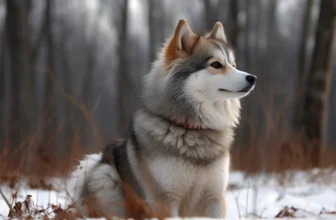
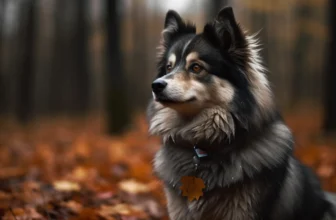
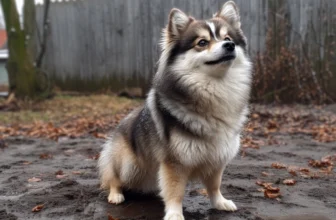
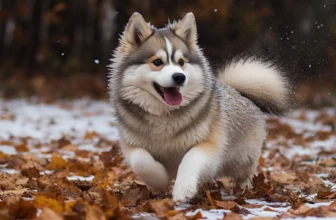
The physical characteristics of full-grown Pomskies depend on several factors such as gender, weight, height, coat color, and markings. However, generally speaking, most full-grown Pomskies weigh between 20-30 pounds and stand up to 18 inches tall at the shoulder. Their weight and height put them in the small to medium dog category.
Their coat is usually thick, fluffy, and can come in various colors and patterns. Pomskies are known for their beautiful eyes, which can be blue, brown, green, or a combination of these colors. They have erect ears that stand straight up, making them look alert and attentive. Their tails are usually furry and curled up over their backs.
Temperament of Full Grown Pomskies
Full-grown Pomskies are affectionate, playful, and loyal dogs that make excellent companions for families with children or other pets. They are known for their intelligence and are easy to train with positive reinforcement methods. Pomskies love attention and thrive on human interaction; they are not suited for households where they will be left alone for long periods.
Pomskies inherited their personality traits from both parents: Pomeranians are known for being confident and outgoing while Siberian Huskies can be independent but also very friendly. As such, full-grown Pomskies tend to have a mix of these characteristics – they are social, energetic, and love people.
Pomsky Health Issues
Like any other breed of dog, Pomskies can suffer from certain health issues that you should be aware of before bringing one home. Some common health concerns include hip dysplasia, eye problems (such as cataracts), allergies, dental issues (such as crowded teeth), skin conditions (such as dermatitis), heart problems (such as congestive heart failure), and respiratory problems.
To ensure your Pomsky stays healthy throughout its life, it’s essential to schedule regular check-ups with your veterinarian. You should also make sure your dog gets enough exercise every day and follows a balanced diet. It’s also crucial to keep your Pomsky up-to-date with its vaccinations and parasite treatments.
Pomsky Grooming Needs
Pomskies have a thick coat that requires frequent grooming to prevent matting and tangling. You should brush your dog’s fur at least three times a week, using a slicker brush or comb to remove loose hair and dirt. It’s also recommended to give your Pomsky regular baths (every two to three months) using a gentle shampoo formulated for dogs.
You should also trim your Pomsky’s nails regularly, as long nails can cause discomfort and pain when walking. Brushing your dog’s teeth every day is essential for maintaining good oral health and preventing dental problems.
Training Your Pomsky
Pomskies are intelligent dogs that respond well to positive reinforcement training techniques. You should start training your puppy from an early age and use treats, praise, and playtime as rewards for good behavior.
Socialization is also crucial for Pomskies, as it helps them become comfortable around other people and animals. Make sure you introduce your puppy to different environments, sounds, smells, and people during its first few months of life.
Conclusion
In conclusion, the Pomeranian Husky mix is an adorable and loving breed that makes a fantastic pet for families with children or other pets. While the full-grown Pomsky size varies depending on several factors such as gender, weight, height, coat color, and markings, most Pomskies are small to medium-sized dogs that weigh between 20-30 pounds and stand up to 18 inches tall at the shoulder.
To ensure your Pomsky stays healthy throughout its life, it’s essential to schedule regular check-ups with your veterinarian. You should also make sure your dog gets enough exercise every day and follows a balanced diet. Regular grooming, training, and socialization are also crucial for keeping your Pomsky happy and healthy.