Pomsky Growth and Development: How Big Do Pomskies Really Get?
Introduction
Pomskies are a relatively new designer breed that has recently gained popularity among dog lovers. This hybrid breed is a cross between the Pomeranian and Siberian Husky. They are known for their cute appearance, intelligence, and playful personality.
As with any other dog breed, it’s important to understand how pomskies grow and develop over time. Knowing what to expect can help you take better care of your pet and ensure they live a healthy and happy life.
In this article, we’ll explore the growth and development of pomskies, including their size, weight, physical traits, and more.
Size and Weight
One of the most common questions people ask about pomskies is how big they get. The answer is not straightforward since there’s no standard size or weight for this breed. Pomskies can inherit traits from both parents, which means they can vary in size and weight.
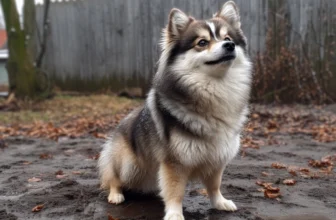
On average, pomskies weigh between 20 to 30 pounds when fully grown. However, some can weigh as little as 10 pounds or as much as 50 pounds. The height of a pomsky can range from 10 to 15 inches at the shoulder.
It’s worth noting that pomskies come in various generations (F1, F1b, F2). The first generation (F1) is usually larger than the second generation (F2), which tends to be smaller. An F1b pomsky is a backcross between an F1 pomsky and either a Pomeranian or Siberian husky parent, further reducing its size.
Physical Traits
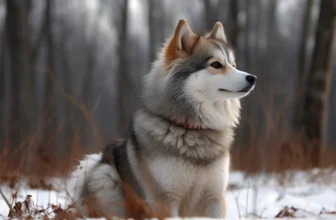
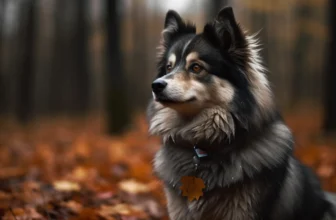
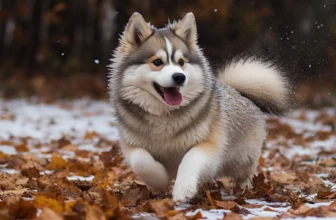
Pomskies have a mixture of physical traits inherited from both parents. They have a fluffy coat like a Pomeranian and the piercing blue eyes of a Siberian Husky. They also have erect ears, a curled tail, and a cute round face.
The coat of a pomsky can vary depending on the individual dog. Some may have a dense double-coat like their husky parent, while others may have a thicker coat with longer hair like their Pomeranian parent. The color of the coat can also differ from one pomsky to another, ranging from black and white to brown and red.
Growth Stages
Like all dogs, pomskies go through different growth stages as they age. Understanding these stages can help you provide appropriate care for your pet.
Newborn Stage (0-2 Weeks)
During the newborn stage, pomsky puppies are completely dependent on their mother for food and warmth. They spend most of their time sleeping and nursing. At this stage, they’re unable to see or hear, but they start to gain weight rapidly.
Transitional Stage (2-4 Weeks)
Between two to four weeks of age, pomsky puppies start to become more active and mobile. They begin to open their eyes and ears, allowing them to explore their surroundings. They also start teething during this stage, which is why it’s essential to provide them with safe chewing toys.
Socialization Stage (4-12 Weeks)
The socialization stage is crucial for any puppy’s development, including pomskies. During this period, puppies learn how to interact with humans and other animals positively. It’s essential to expose them to different people, environments, sights, and sounds during this stage.
At around eight weeks old, pomsky puppies are ready to leave their mother and join their new family. This is a critical time for bonding between the puppy and its new owner.
Juvenile Stage (3-6 Months)
From three to six months old, pomsky puppies enter the juvenile stage. They become more independent and self-confident during this period. It’s also when they start teething again, so providing chew toys is crucial.
Adolescent Stage (6-12 Months)
The adolescent stage is a time of rapid growth and change for pomskies. At this point, they’re almost fully grown but still have some maturing to do. They may become more stubborn and challenging to train during this stage.
Adult Stage (1 Year and Older)
Once a pomsky reaches one year old, it’s considered an adult dog. They should be fully grown at this stage and display their unique personality traits. It’s essential to continue providing proper care and training during this period to ensure your pet remains healthy and happy.
Caring for Your Pomsky
Proper care is critical for any dog breed, including pomskies. Here are some tips for taking care of your furry friend:
Conclusion
Pomskies are a unique and lovable breed that has become increasingly popular in recent years. Understanding their growth and development stages can help you provide appropriate care for your pet throughout their life.
Remember that every pomsky is different, so it’s essential to pay attention to your pet’s individual needs and personality traits. With proper care and love, your pomsky can become a loyal companion for many years to come.