Majestic Pomsky Puppies: The Ultimate Guide to Raising Happy and Healthy Pomskies
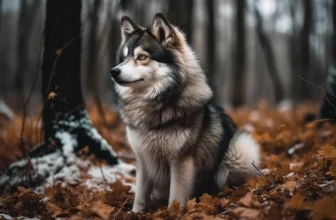
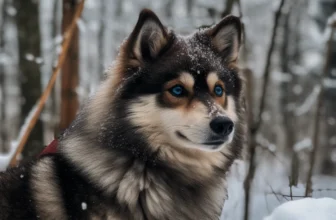
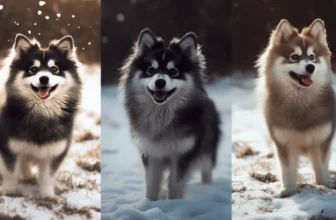
Pomskies are a relatively new breed that has been gaining popularity in recent years. They are a cross between a Pomeranian and a Siberian Husky, resulting in a small, adorable dog with the energy and intelligence of a husky. As a professional breeder for pomsky, I have seen the joy that these dogs can bring to families. However, raising a happy and healthy pomsky requires some knowledge and effort. In this ultimate guide, we will cover everything you need to know about raising majestic pomsky puppies.
1. Finding the Right Breeder
Finding the right breeder is crucial when it comes to getting a healthy pomsky puppy. You want to make sure that the breeder is reputable and takes good care of their dogs. Here are some things to look for when choosing a breeder:
– Check if they are registered with organizations like the American Kennel Club (AKC) or Pomsky Club of America (PCA).
– Ask for references from previous customers.
– Visit the breeder’s facility and check if the dogs are kept in clean and healthy conditions.
– Inquire about health clearances for both parent breeds.
A good breeder will also be willing to answer any questions you have about pomskies and provide guidance on how to care for your new puppy.
2. Training Your Pomsky
Pomskies are intelligent dogs that respond well to positive reinforcement training. It is essential to start training your pomsky as early as possible so that they can develop good habits. Here are some tips on pomsky training:
– Use positive reinforcement techniques like treats and verbal praise.
– Start with basic commands like ‘sit,’ ‘come,’ and ‘stay.’
– Socialize your pomsky with other dogs and people to prevent behavior issues.
– Consistency is key in training your pomsky. Stick to a routine and repeat commands often.
Pomskies also have a high energy level, so regular exercise is essential for their physical and mental well-being. Taking your pomsky on walks, playing fetch, or running around in the backyard will help them burn off excess energy and reduce the risk of behavioral problems.
3. Feeding Your Pomsky
Proper nutrition is crucial for maintaining your pomsky’s health. Pomskies require a balanced diet that includes proteins, carbohydrates, fats, vitamins, and minerals. Here are some guidelines for feeding your pomsky:
– Choose high-quality dog food that meets your pomsky’s nutritional needs.
– Avoid feeding your pomsky human food as it can be harmful to their digestive system.
– Feed your pomsky small meals throughout the day rather than one large meal.
– Keep fresh water available at all times.
It is important not to overfeed your pomsky as they tend to gain weight quickly. Obesity can lead to health problems such as joint pain, heart disease, and diabetes.
4. Grooming Your Pomsky
Pomskies have thick fur that requires regular grooming to keep it healthy and free from tangles. Brushing your pomsky’s coat once a week will help remove loose fur and prevent matting. You should also trim their nails regularly to prevent them from getting too long.
Pomskies shed moderately year-round and heavily twice a year during shedding season. During shedding season, you may need to brush your pomsky more frequently to keep up with the increased shedding. Using a deshedding tool can help remove excess fur without damaging your pomsky’s coat.
It is also essential to clean your pomsky’s ears regularly and brush their teeth daily or at least twice a week to prevent dental problems.
5. Health Issues in Pomskies
Like any other breed, pomskies are prone to certain health issues that you need to be aware of. Some common health problems in pomskies include:
– Hip dysplasia: a condition where the hip joint is malformed, leading to pain and difficulty walking.
– Eye problems: such as cataracts and progressive retinal atrophy.
– Dental problems: due to their small size, pomskies are prone to dental issues like tooth decay and gum disease.
– Allergies: pomskies may develop allergies to food or environmental factors that can cause skin irritation and itching.
To reduce the risk of health issues in your pomsky, it is essential to keep up with regular vet checkups and follow a healthy diet and exercise regimen. If you notice any unusual symptoms or behaviors in your pomsky, consult your vet immediately.
6. Conclusion
Raising majestic pomsky puppies can be a rewarding experience if done right. Choosing a reputable breeder, providing proper training, nutrition, and grooming will ensure that your pomsky is happy and healthy. Regular vet checkups and keeping an eye out for potential health issues will also help you catch any problems early on. With love, patience, and dedication, you can raise a happy and healthy pomsky that will bring joy to your family for years to come.