Introduction
Pomskies are a relatively new and increasingly popular designer breed that combines the charm of Pomeranians with the intelligence of Siberian Huskies. These small, adorable dogs have captured the hearts of many dog lovers around the world. In this article, we will explore everything you need to know about the lush Pomsky breed.
1. Origin and History
The Pomsky breed originated in the early 2000s when breeders began crossing Pomeranians with Siberian Huskies. The goal was to create a smaller version of the husky with all its desirable traits, including striking blue eyes and a fluffy coat. The first Pomskies were bred in the United States, but their popularity quickly spread worldwide.
The breeding process involves artificial insemination due to size differences between the two parent breeds. It requires careful selection and planning to ensure healthy offspring.
2. Appearance
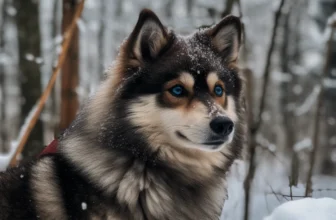
Pomskies are known for their stunning appearance. They can inherit physical characteristics from both parent breeds, resulting in variations within the breed. Typically, they have a compact body like Pomeranians but with a slightly longer muzzle resembling Siberian Huskies.
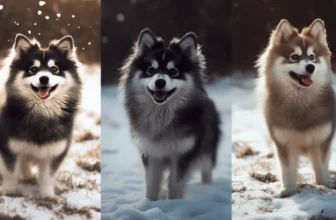
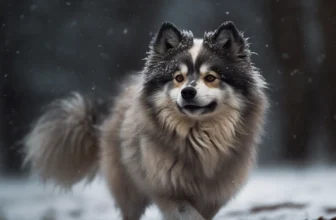
Their eyes are captivating and can be blue, brown, or even bi-colored. Their coat is usually thick, double-layered, and comes in various colors such as black, white, gray, or a combination of these shades.
3. Size and Weight
Pomskies come in different sizes depending on the percentage of Pomeranian and Husky genetics they inherit. On average, these dogs weigh between 15 to 30 pounds (6.8 to 13.6 kg) and stand around 10 to 15 inches (25 to 38 cm) tall at the shoulder.
Their small size makes them ideal for apartment living, but they still possess the energy and playfulness of their Siberian Husky lineage.
4. Temperament
Pomskies are known for their friendly and outgoing nature. They are intelligent, alert, and love being around people, making them excellent family pets. However, it’s essential to provide them with early socialization and proper training to avoid any behavioral issues.
These dogs thrive on attention and may become anxious or develop separation anxiety if left alone for long periods. They require mental stimulation and physical exercise to keep them happy and prevent destructive behavior.
5. Exercise Needs
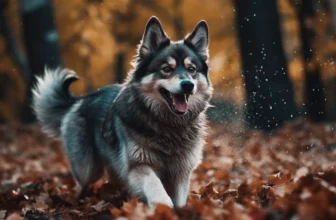
Despite their small size, Pomskies have high energy levels due to their Husky heritage. Daily exercise is crucial to keep them physically fit and mentally stimulated. Regular walks, playtime in a securely fenced yard, or engaging in dog sports like agility can help fulfill their exercise needs.
A tired Pomsky is less likely to engage in destructive behavior or excessive barking caused by pent-up energy.
6. Grooming Requirements
Lush Pomskies have a thick double coat that requires regular grooming to keep it healthy and free from tangles or mats. Weekly brushing is necessary to remove loose fur and prevent shedding around the house.
During shedding seasons, which typically occur twice a year, more frequent brushing is needed. Additionally, regular dental care, nail trimming, and ear cleaning should be part of their grooming routine.
7. Health Concerns
Like any other breed, Pomskies can be prone to certain health issues. It’s important to choose a reputable breeder who conducts health screenings and genetic testing to minimize the risk of inherited conditions.
Some potential health concerns for Pomskies include hip dysplasia, eye problems, dental issues, and allergies. Regular veterinary check-ups and a balanced diet are essential for their overall well-being.
8. Training and Socialization
Pomskies are intelligent dogs that respond well to positive reinforcement training methods. Early socialization is crucial to expose them to various people, animals, and environments to prevent shyness or fearfulness later in life.
Consistency, patience, and rewards-based training techniques will help them become well-behaved companions. Enrolling them in obedience classes or working with a professional dog trainer can be highly beneficial.
9. Lifespan
The average lifespan of a Pomsky ranges from 12 to 15 years when properly cared for. Providing them with a nutritious diet, regular exercise, mental stimulation, and routine veterinary care can contribute to their longevity.
10. Finding a Lush Pomsky
When looking for a Pomsky puppy, it’s essential to do thorough research and find a reputable breeder who prioritizes the health and well-being of their dogs. Ask for references, visit the breeder’s facilities, and ensure they conduct proper health screenings on their breeding dogs.
Avoid supporting puppy mills or backyard breeders who prioritize profit over the welfare of their animals.
Conclusion
Lush Pomskies are undeniably adorable and make fantastic companions for the right owners. However, it’s essential to understand their unique needs and characteristics before bringing one into your home.
With proper care, training, and socialization, a Pomsky can bring endless joy and love to your life. Remember, they are a long-term commitment, so be prepared to provide them with the attention and care they deserve for their entire lifespan.