Introduction
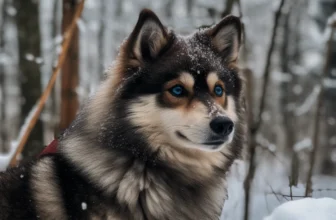
Pomskies are a relatively new breed of dog that has gained popularity in recent years. They are a cross between a Pomeranian and a Siberian Husky, resulting in a small to medium-sized dog with a fluffy coat and striking blue eyes. In this complete guide, we will cover everything you need to know about Pomskies, from their history and characteristics to their temperament and care requirements.
History of Pomskies
The Pomsky is a hybrid dog breed, which means it is the result of breeding two different purebred dogs. The Pomsky was first developed in the United States around 2009 when breeders started crossing Pomeranians with Siberian Huskies.
The goal was to create a smaller version of the Siberian Husky that would be suitable for apartment living. The Pomsky quickly gained popularity due to its cute appearance and friendly personality.
Physical Characteristics
Pomskies can vary greatly in size depending on the size of their Pomeranian and Siberian Husky parents. Typically, they weigh between 20-30 pounds and stand around 10-15 inches tall at the shoulder.
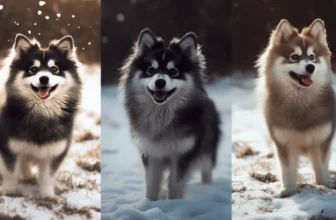
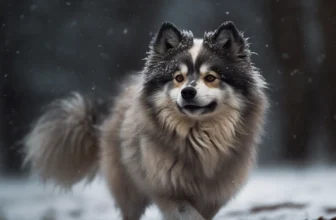
They have a thick double coat that comes in a variety of colors including black, white, gray, red, and brown. Their coats require regular grooming to prevent matting and tangling.
One of the most notable physical characteristics of Pomskies is their piercing blue eyes. However, not all Pomskies have blue eyes as this trait is dependent on their parentage.
Temperament
Pomskies are known for their friendly and outgoing personalities. They are affectionate towards their owners but can be reserved or shy around strangers.
They are also highly intelligent dogs which can make them easy to train. However, they can also be stubborn and require consistent training and socialization from a young age.
Pomskies are generally good with children and other pets, but as with any dog, supervision is recommended to ensure everyone’s safety.
Exercise Needs
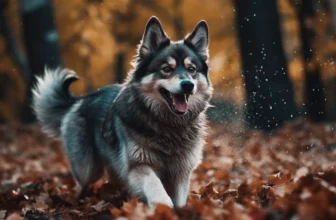
Despite their small size, Pomskies have high energy levels and require regular exercise to keep them healthy and happy. They enjoy long walks, runs, and playtime in the backyard or park.
A lack of exercise can lead to destructive behavior such as chewing and digging. It is important to provide your Pomsky with enough physical activity to prevent these behaviors.
Dietary Requirements
Pomskies require a balanced diet that meets their nutritional needs. A high-quality dog food that is appropriate for their age, weight, and activity level is recommended.
It is also important to monitor their food intake as they can be prone to overeating. Overfeeding can lead to obesity which can cause health problems such as joint issues and heart disease.
Health Issues
As with any breed of dog, Pomskies can be prone to certain health issues. Some of the common health issues seen in Pomskies include:
– Hip dysplasia
– Eye problems
– Allergies
– Dental problems
Regular veterinary check-ups and preventative care can help detect and prevent these health issues from developing or worsening.
How to Find a Reputable Pomsky Breeder
Finding a reputable breeder is crucial when looking for a Pomsky. Here are some tips on how to find a reputable breeder:
– Research breeders online: Look at breeder websites, social media pages, and reviews from previous customers.
– Ask for referrals: Reach out to local dog clubs or veterinarians for recommendations.
– Visit the breeder in person: This will allow you to see the living conditions of the dogs and meet the breeder in person.
– Ask about health guarantees: A reputable breeder will offer a health guarantee for their puppies.
It is important to avoid puppy mills and backyard breeders when looking for a Pomsky. These breeders often prioritize profit over the health and well-being of their dogs.
Training and Socialization
Training and socialization are crucial for all dogs, including Pomskies. Proper training can help prevent destructive behavior and ensure that your Pomsky is well-behaved and obedient.
Socialization involves exposing your Pomsky to different people, animals, and environments from a young age. This helps them become comfortable and confident in new situations, reducing the likelihood of fear-based aggression or anxiety.
Positive reinforcement training methods are recommended for Pomskies as they respond well to praise and rewards. Consistency, patience, and persistence are key when training your Pomsky.
Pomsky Rescue Organizations
If you are interested in adopting a Pomsky, there are several rescue organizations that specialize in this breed. Here are some of the most popular rescue organizations:
– Pomsky Adoption & Rescue (PAR)
– Pomsky Rescue Group
– Northern California Pom Rescue
Adopting a dog from a rescue organization can be a great way to give a loving home to an animal in need. It is important to research the rescue organization thoroughly before adopting to ensure that they are reputable and have the dog’s best interests at heart.
Conclusion
Pomskies are a unique breed of dog that combines the intelligence and energy of the Siberian Husky with the small size and friendly personality of the Pomeranian. They make great companions for active families who have the time and dedication to provide them with proper care and attention.
In this complete guide, we covered everything you need to know about Pomskies including their history, physical characteristics, temperament, care requirements, and how to find a reputable breeder or rescue organization. With the right training and socialization, a Pomsky can make a loving and loyal addition to any family.