Husky Dog or Pomsky: A Guide to Understanding This Popular Hybrid Dog Breed
Hybrid breeds have been growing in popularity over the past few decades, and one of the most popular hybrids is the Pomsky. This breed is a cross between a Siberian Husky and a Pomeranian, resulting in a small-sized dog with a big personality.
If you’re considering bringing a Pomsky into your home, it’s important to understand the characteristics of both parent breeds and what to expect from this hybrid. In this guide, we’ll explore everything you need to know about the Pomsky breed.
The History of the Pomsky
The Pomsky is a relatively new breed that was first developed in the United States in the early 2000s. Breeders aimed to create a dog that combined the best traits of both parent breeds – the playful and affectionate nature of the Pomeranian and the intelligence and strength of the Husky.
As with many hybrid breeds, there is some controversy surrounding their creation. Some critics argue that breeding two different breeds can lead to health problems and unpredictable temperaments. However, responsible breeders take great care when selecting parent dogs and aim to produce healthy, happy puppies.
Physical Characteristics
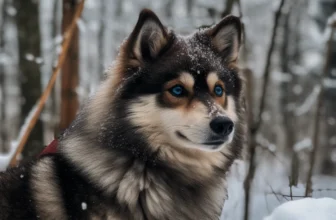
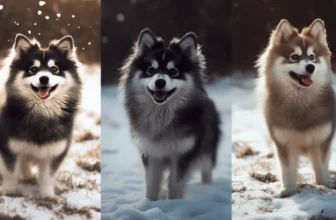
Pomskies are typically small dogs, weighing between 10-30 pounds and standing around 10-15 inches tall at the shoulder. They often have the distinctive Husky markings on their coat, including white fur with black or gray patches. However, their coats can also be solid colors such as black or brown.
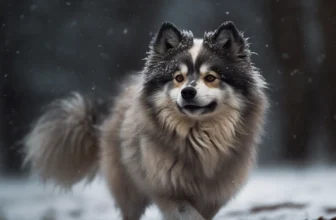
A Pomsky’s coat can vary in length and texture depending on which parent breed they take after more closely. Some may have thick fur like a Husky while others may have shorter hair like a Pomeranian. They require regular grooming to ensure their coat stays healthy and free of tangles.
One of the most distinctive features of the Pomsky is their pointy ears, which stand upright like a Husky’s. They also have bright, intelligent eyes that give them an alert expression.
Temperament and Personality
The Pomsky is known for being a friendly, affectionate breed that loves attention from their owners. They are social dogs who enjoy being around people and other animals. However, they can sometimes be wary of strangers and may bark to alert their owners to potential danger.
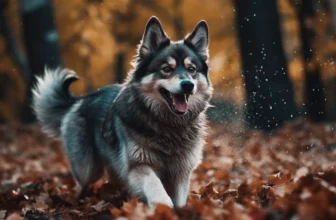
Pomskies are playful and energetic, requiring plenty of exercise to keep them happy and healthy. They enjoy long walks, runs, and playtime in the backyard or park. Due to their small size, they make great apartment dogs as long as they get enough exercise each day.
Training a Pomsky can be challenging due to their independent nature. They may be stubborn at times and require consistent training and positive reinforcement techniques to learn new commands or behaviors.
Health Concerns
As with any breed, there are some health concerns that Pomsky owners should be aware of. Some of the most common health issues include:
- Eye Problems: Both parent breeds are prone to eye problems such as cataracts or progressive retinal atrophy (PRA).
- Hip Dysplasia: This condition occurs when the hip joint doesn’t form properly, leading to arthritis or lameness.
- Patellar Luxation: This is a condition where the kneecap slides out of place, causing pain and discomfort.
- Dental Issues: The Pomeranian parent breed is prone to dental problems, so regular teeth cleaning is important for Pomskies.
Responsible breeders will screen their parent dogs for these and other health issues before breeding them. They will also provide health guarantees and ensure that all puppies receive appropriate veterinary care before going to their new homes.
Caring for a Pomsky
If you’re considering adding a Pomsky to your family, it’s important to understand the care they require. Here are some tips for keeping your Pomsky healthy and happy:
- Exercise: Pomskies need plenty of exercise each day to burn off energy and maintain a healthy weight. Plan on at least one brisk walk or run each day, along with playtime in the yard or park.
- Grooming: Brush your Pomsky’s coat regularly to keep it free of tangles and mats. Bathe them as needed, but avoid over-bathing as it can dry out their skin. Trim their nails every few weeks and brush their teeth daily to prevent dental problems.
- Nutrition: Feed your Pomsky high-quality dog food that is appropriate for their age, size, and activity level. Avoid overfeeding as they can easily become overweight, which can lead to health problems.
- Socialization: Introduce your Pomsky to new people, animals, and environments early on to help them develop into well-adjusted adults.
- Training: Use positive reinforcement techniques such as treats and praise to train your Pomsky. Be consistent and patient with them, and don’t expect overnight results.
Choosing a Pomsky Breeder
When choosing a breeder for your Pomsky, it’s important to do your research and find a reputable breeder who puts their dogs’ health and well-being first. Here are some tips for finding a responsible Pomsky breeder:
- Ask for references: Talk to other Pomsky owners or ask the breeder for references from past clients.
- Visit the breeder’s facility: If possible, visit the breeder in person to see how they care for their dogs and puppies.
- Ask about health guarantees: Make sure the breeder offers a health guarantee for their puppies and that they screen their parent dogs for potential health issues.
- Avoid puppy mills: Never buy a puppy from a pet store or online seller as these are often fronts for puppy mills that prioritize profit over animal welfare.
Conclusion
The Pomsky is an adorable and affectionate hybrid breed that can make a great addition to any family. However, it’s important to understand their needs and characteristics before bringing one into your home. By doing your research and choosing a responsible breeder, you can ensure that your Pomsky will be healthy, happy, and well-adjusted.