Husky and Pomsky Heaven: Everything You Need to Know About Pomskies
Are you considering getting a new furry friend? Do you love the idea of having a small dog with the looks and personality of a Siberian Husky? If so, then you might be interested in learning more about pomskies. As a professional breeder for pomsky, I have seen the popularity of these dogs grow over the years. In this article, I’ll cover everything you need to know about pomskies.
What is a Pomsky?
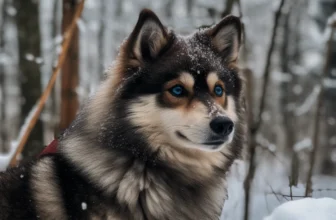
A pomsky is a crossbreed between a Pomeranian and a Siberian Husky. This breed was created in recent years by crossing two purebred dogs. The result is a dog that has the looks and personality traits of both breeds.
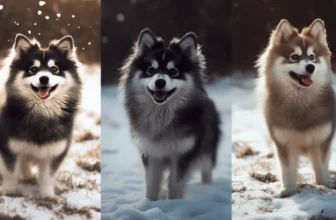
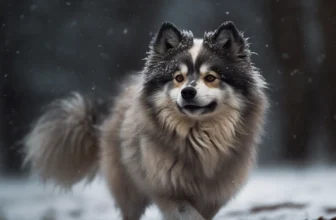
Pomskies vary in size depending on their breeding, but they are generally small to medium-sized dogs weighing between 20-30 pounds. They have fluffy fur coats that come in various colors such as black, white, gray, brown, and red.
Temperament and Personality Traits
Pomskies are known for their playful and affectionate nature. They are intelligent dogs that are easy to train and love spending time with their owners. They enjoy being active and require daily exercise to keep them healthy and happy.
Due to their Pomeranian heritage, pomskies can have a tendency to bark excessively if not trained properly. However, with early socialization and training, they can become well-behaved pets.
Grooming Needs
Pomskies require regular grooming to maintain their fluffy fur coats. Their coats should be brushed at least once a week to prevent matting and tangling. They also require baths every few months or as needed.
Their nails should be trimmed regularly, and their teeth should be brushed to prevent dental issues. Pomskies are prone to ear infections, so it’s essential to clean their ears regularly.
Health Concerns
As with any breed, pomskies can have health concerns that potential owners should be aware of. Some of the common health issues include:
– Hip dysplasia: This is a genetic condition where the hip joint doesn’t develop correctly, leading to arthritis and pain.
– Eye problems: Pomskies can be prone to cataracts, progressive retinal atrophy, and other eye conditions.
– Allergies: Some pomskies may have allergies to certain foods or environmental factors, leading to skin irritation and itching.
– Dental problems: Due to their small size, pomskies can be prone to dental issues such as gum disease and tooth decay.
It’s essential to choose a reputable breeder who conducts health screenings on their breeding dogs. Pomsky puppies should also receive regular veterinary check-ups throughout their lives.
Training and Exercise
Pomskies are intelligent dogs that enjoy learning new things. They are easy to train with positive reinforcement techniques such as treats and praise. Early socialization is crucial for this breed to ensure they become well-behaved pets.
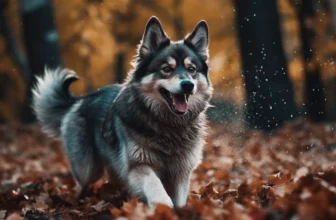
Pomskies require daily exercise to keep them healthy and happy. They enjoy going for walks, runs, and playing games in the yard. They also benefit from mental stimulation such as puzzle toys and training sessions.
Choosing a Breeder
When choosing a breeder for your pomsky puppy, it’s important to do your research. Look for a breeder that:
– Conducts health screenings on their breeding dogs
– Provides a clean and safe environment for their puppies
– Offers support and guidance throughout the puppy’s life
– Shows you the puppy’s parents and living conditions
Avoid breeders who:
– Don’t allow you to see the puppy’s parents or living conditions
– Don’t conduct health screenings on their breeding dogs
– Sell puppies at a lower price without proper documentation
Conclusion
Pomskies are an adorable and playful breed that makes great pets for families and individuals alike. They have unique personalities that combine the best traits of Pomeranians and Siberian Huskies. If you’re considering getting a pomsky, make sure to do your research and choose a reputable breeder. With proper care and training, your pomsky can become a loyal companion for years to come.