Introduction
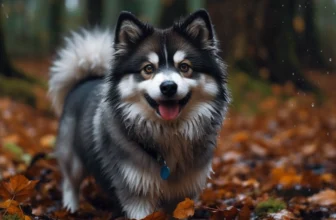
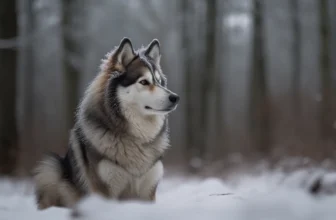
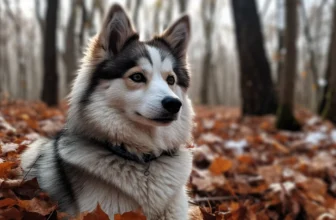
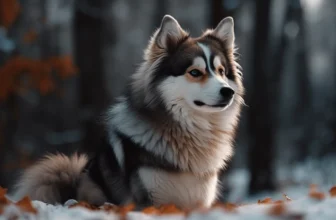
With their fluffy coats and adorable faces, it’s no wonder that pomskies have become one of the most popular designer breeds in recent years. But how are these unique dogs bred? In this article, we’ll take a deep dive into the world of pomsky breeding and uncover the mystery behind this beloved breed.
The History of Pomskies
Pomskies are a relatively new breed, with the first known litter being born in 2009. These dogs are a cross between Pomeranians and Siberian Huskies, two breeds that couldn’t be more different from each other. The goal behind breeding pomskies was to create a dog that combines the best traits of both breeds – the cuteness and small size of Pomeranians with the intelligence and athleticism of huskies.
The Challenges of Breeding Pomskies
While the idea behind pomskies might sound simple enough, breeding these dogs is actually quite challenging. There are several reasons for this:
- Size Difference: Pomeranians typically weigh around 4-7 pounds, while Siberian Huskies can weigh anywhere from 35-60 pounds. This means that getting them to mate can be difficult without assistance.
- Fertility Issues: Because they are a crossbreed, pomskies can sometimes have fertility issues, which can make it difficult to produce litters.
- Genetic Variability: With any hybrid breed, there is always a level of unpredictability when it comes to genetics. Breeders must carefully select parent dogs to ensure that their offspring will have desirable traits.
The Pomsky Breeding Process
Despite the challenges, many breeders have successfully produced pomsky litters. Here’s a step-by-step breakdown of the breeding process:
Step 1: Selecting Parent Dogs
The first step in breeding pomskies is selecting parent dogs. Breeders must carefully choose Pomeranians and Siberian Huskies with desirable traits, such as good health, temperament, and physical appearance. This is important because these traits will be passed down to the litter.
Step 2: Artificial Insemination
Once parent dogs have been selected, it’s time for artificial insemination. Because of the size difference between Pomeranians and Siberian Huskies, natural mating isn’t always possible or safe. Instead, breeders use artificial insemination to fertilize the female dog’s eggs with sperm from the male dog.
Step 3: Pregnancy
If the artificial insemination is successful, the female dog will become pregnant. Pomsky pregnancies typically last around 63 days, during which time breeders must take extra care to ensure that the mother and her developing puppies are healthy.
Step 4: Whelping
When it’s time for the puppies to be born, breeders must be prepared for a potentially difficult whelping process. Because of their small size, Pomeranian mothers may struggle to give birth to larger pomsky puppies. Breeders may need to assist with delivery or even perform a C-section if necessary.
Step 5: Raising and Socializing Puppies
Once the puppies are born, they require special care and attention in order to grow up healthy and well-socialized. This includes regular vet check-ups, vaccinations, and plenty of socialization with humans and other animals.
The Ethics of Pomsky Breeding
While pomskies have become a beloved breed among many dog lovers, there are also concerns about the ethics of breeding them. Some people argue that crossbreeding is unethical because it can lead to health issues in offspring, while others believe that as long as breeders take proper care to select healthy parent dogs, there’s nothing wrong with creating new breeds.
Health Concerns
One of the biggest concerns when it comes to pomsky breeding is the potential for health issues in offspring. Because they are a crossbreed, pomskies may inherit health problems from both parent breeds. For example, Pomeranians are prone to dental problems and skin allergies, while Siberian Huskies can suffer from hip dysplasia and eye diseases.
Breeders must take extra care to ensure that parent dogs are healthy and free from genetic disorders that could be passed down to their puppies. Additionally, anyone considering adopting a pomsky should be aware of these potential health issues and be prepared for the additional costs associated with treating them.
Mixing Breeds
Another concern some people have with pomsky breeding is the idea that mixing breeds is somehow unnatural or unethical. However, it’s important to remember that all dog breeds were created through selective breeding at some point in history. In fact, many modern dog breeds are the result of crossbreeding between two or more different types of dogs.
Ultimately, whether or not you feel comfortable with pomsky breeding depends on your personal beliefs about animal welfare and what constitutes ethical breeding practices.
Conclusion
Pomskies may be a relatively new breed, but they’ve already captured the hearts of many dog lovers around the world. While there are certainly challenges involved in breeding these unique dogs, with proper care and attention, they can make wonderful pets for those willing to take on the responsibility.
Whether you’re considering adopting a pomsky or just curious about how these dogs are bred, we hope this article has shed some light on the mystery behind one of the most popular designer breeds out there.