Introduction
The German Pomsky is a unique designer dog breed that is gaining popularity among dog lovers. This breed is a cross between a Pomeranian and a Siberian Husky, which results in an attractive and intelligent dog with the best qualities of both breeds.
In this article, we will discuss everything you need to know about the German Pomsky, including their appearance, temperament, health issues, training requirements, and more.
Appearance
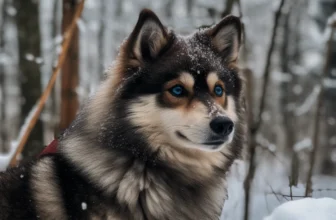
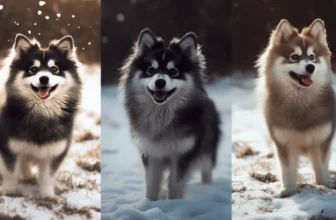
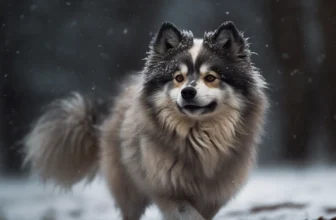
German Pomskies are small to medium-sized dogs that typically weigh between 15 to 30 pounds. They have a fluffy coat that comes in various colors, including black, grey, brown, white, and cream. Their coat is usually thick and soft, making them look like stuffed animals.
This breed has a distinctive look that combines the features of both the Pomeranian and the Siberian Husky. They have pointed ears like a Husky and a fox-like face like a Pomeranian. German Pomskies also have bright blue or brown eyes that give them an enchanting look.
Size
German Pomskies are small to medium-sized dogs with a height range of 10 to 15 inches. They weigh anywhere from 15 to 30 pounds, making them an ideal pet for those who prefer smaller dogs.
Coat
The coat of German Pomskies can come in various colors such as black, grey, brown, white or cream. They usually have thick and soft fur that requires regular grooming to keep it looking good.
Temperament
German Pomskies are friendly and affectionate dogs that love spending time with their owners. They are known for being loyal companions who are always eager to please their humans.
This breed is also intelligent and curious by nature, making them quick learners when it comes to training. They are good with children and other pets, making them an excellent choice for families.
Personality
German Pomskies have a lively and playful personality that makes them fun to be around. They love socializing and playing with their owners, making them an excellent choice for those who want an interactive pet.
This breed is also protective of their family members and will bark to alert their owners of any danger. They are not aggressive dogs but may become territorial if they feel threatened.
Health Issues
Like all dog breeds, German Pomskies are prone to certain health issues that you should be aware of before getting one as a pet. Some of the common health problems associated with this breed include hip dysplasia, eye problems, allergies, dental issues, and skin problems.
It is essential to take your German Pomsky for regular check-ups with a veterinarian to ensure that they stay healthy and happy.
Hip Dysplasia
Hip dysplasia is a common condition in dogs where the hip joint doesn’t develop correctly, causing pain and discomfort in the affected area. This condition can lead to arthritis and even lameness if left untreated.
To prevent hip dysplasia in your German Pomsky, it is recommended to maintain a healthy weight and avoid over-exercising them when they are still young.
Eye Problems
German Pomskies are prone to eye problems such as cataracts, glaucoma, and progressive retinal atrophy (PRA). These conditions can lead to vision loss or blindness if not treated promptly.
To prevent eye problems in your German Pomsky, it is recommended to take them for regular eye exams with a veterinarian.
Allergies
German Pomskies are prone to allergies caused by food or environmental factors. Allergies can cause skin problems such as itching, redness, and inflammation.
To prevent allergies in your German Pomsky, it is recommended to feed them high-quality dog food and avoid exposing them to allergens such as dust, pollen, or mold.
Dental Issues
Dental issues such as gum disease can affect German Pomskies if proper dental hygiene is not maintained. This breed is prone to tartar buildup, which can lead to tooth decay and bad breath.
To prevent dental issues in your German Pomsky, it is recommended to brush their teeth regularly and provide them with chew toys that promote dental health.
Training Requirements
German Pomskies are intelligent dogs that are easy to train. They respond well to positive reinforcement training methods such as treats and praise.
This breed requires regular exercise and mental stimulation to keep them happy and healthy. They enjoy playing games such as fetch or going for walks with their owners.
It is essential to socialize your German Pomsky when they are still young to ensure that they develop good behavior around other animals and people.
Socialization
Socialization is crucial for German Pomskies because it helps them develop good behavior around other animals and people. It also helps them become more confident and less anxious in new environments.
To socialize your German Pomsky, it is recommended to expose them to different sounds, sights, smells, and textures when they are still young. You can also take them for puppy classes where they can interact with other dogs and learn basic commands.
Exercise
German Pomskies require regular exercise to keep them healthy and happy. They enjoy going for walks or runs with their owners, playing games such as fetch or tug-of-war, and engaging in other physical activities that challenge them mentally and physically.
It is recommended to provide your German Pomsky with at least 30 minutes of exercise per day to keep them in good shape.
Conclusion
In conclusion, the German Pomsky is a unique and attractive designer dog breed that makes an excellent pet for families. They are intelligent, friendly, and playful dogs that love spending time with their owners.
However, they are also prone to certain health issues such as hip dysplasia, eye problems, allergies, dental issues, and skin problems. It is essential to take your German Pomsky for regular check-ups with a veterinarian to ensure that they stay healthy and happy.
Training and socialization are also crucial for this breed to develop good behavior around other animals and people. With proper care, your German Pomsky will become a loyal and loving companion for many years to come.